Best Electric and Hydronic Heater Solutions for Home
Summary: This guide compares top electric and hydronic baseboard heaters, controls, and covers to help you choose systems and components compatible with your home heating needs. Below is a quick comparison of the selected products.
Product
Type
Key Feature
Mysa Smart Thermostat
Electric Thermostat
Wi‑Fi, HomeKit, 120–240V support
Honeywell RLV3120A
Electric Thermostat
Digital, 2‑wire, TRIAC switching
Warming Systems Hydronic Panel
Hydronic Control Panel
Pre‑assembled 2‑zone panel, components included
KING K Series Baseboard Heater
Electric Baseboard Heater
Hard‑wired 1000W aluminum fin element
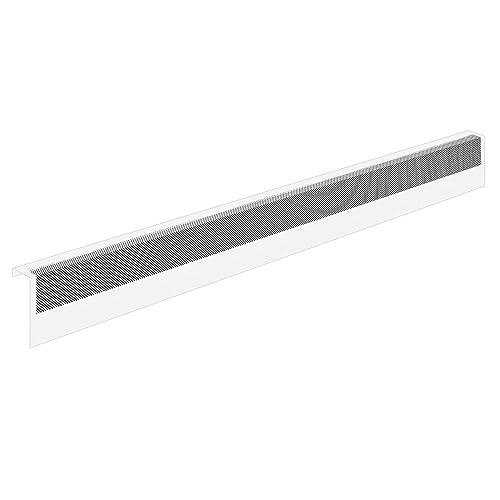
Baseboarders 6 ft Cover
Hydronic Cover
6 ft galvanized steel, lifetime rust protection
Please Confirm Wiring And Compatibility Before Purchase; See Individual Product Details Below.
This thermostat is designed specifically for high/line voltage electric heating systems, including 120–240V baseboards and fan‑forced heaters. It supports loads up to 1900W at 120V or 3800W at 240V and requires at least four wires, including a neutral or second live wire. Mysa adds modern smart features such as a free app, HomeKit, Alexa, and Google Home integration.
Compatibility Notes: Not compatible with low‑voltage or two‑wire baseboard installations; check wiring before purchase.
Features: Adaptive display, brightness control, remote scheduling, temperature and humidity alerts.
Use Case: Best for homeowners wanting smart home integration and programmability for electric baseboards.
The Honeywell RLV3120A is a non‑programmable digital thermostat made for electric baseboard heaters and convectors using two‑wire installations. It offers highly accurate temperature control, with an accuracy reported at ±0.27°F, and uses TRIAC switching for silent operation and reduced temperature swing.
Call 888-896-7031 for Free Local HVAC Quotes – Compare and Save Today!
Compatibility: Designed for 2‑wire electric baseboard and convector systems, ideal where minimal wiring is available.
Features: Digital display, silent TRIAC switching, precise temperature regulation.
Use Case: Suited for retrofit or replacement where simplicity and accuracy are priorities, and wiring is two‑wire.
This pre‑assembled hydronic panel is built to manage 1–4 hydronic heating zones and arrives with standard components including expansion tank, pumps, air separator, and manifolds. It is designed to simplify installation and serviceability for heated floors or radiant systems.
Compatibility: Intended for closed hydronic systems; compatible with glycol systems and boilers with internal or external pumps.
The KING K Series 4′ baseboard heater is a hard‑wired 1000W, 120V electric unit featuring an aluminum ribbon fin element for heat transfer and a full‑length safety cutout. It is not a plug‑in model and requires proper electrical installation.
Compatibility: Electric hard‑wired installation; suitable for standard room heating where wired connections are available.
Features: Aluminum ribbon fin for efficient heat, integrated safety cutout for protection.
Use Case: For replacing or installing electric baseboard units where a robust, hard‑wired heater is needed.
This 6 ft cover is intended for hydronic (water) baseboard heaters and is not recommended for electric units. It offers galvanized steel construction with a white finish and a lifetime protection guarantee against rust and normal use.
Call 888-896-7031 for Free Local HVAC Quotes – Compare and Save Today!
Compatibility: For hydronic baseboard assemblies only; measure from finished floor to back plate per manufacturer specs.
Features: Slip‑on installation, lifetime rust protection, available in multiple lengths and accessory options.
Use Case: Ideal for homeowners replacing old, corroded hydronic covers or updating aesthetics while maintaining heat output.
Buying Guide: How To Choose Electric And Hydronic Heater Components
Selecting the right heater, thermostat, or cover depends on system type, wiring, control needs, and installation constraints. Below are key considerations and comparisons to guide purchase decisions.
System Type And Compatibility
Electric Baseboard systems use resistive elements and require thermostats rated for line voltage. Confirm whether your system is 120V or 240V and whether the thermostat supports the load (e.g., 1900W at 120V or 3800W at 240V for some smart thermostats).
Hydronic (Water) Baseboards circulate hot water from a boiler. Components such as replacement covers and control panels must be designed for hydronic systems. Electric covers may have different clearances and heat profiles—do not interchange without verifying manufacturer guidance.
Wiring And Installation Constraints
Thermostats differ by wiring needs. Two‑wire thermostatsfour wires including neutral or a second live, and will not work on two‑wire setups.
Electric heaters such as the KING K Series are hard‑wired and should be installed by qualified personnel. Hydronic control panels typically connect to boilers and manifolds; confirm pipe sizes and pump requirements.
Control Features And Automation
Decide if you need simple manual control or advanced automation. Digital non‑programmable thermostats provide precise temperature stability and silent switching. Smart thermostats offer app control, scheduling, voice integration, and remote temperature/humidity alerts.
For hydronic systems, zone control panels allow independent temperature scheduling per zone and can simplify multi‑zone installations, reducing installer labor and future service complexity.
Load Ratings And Safety
Match thermostat amperage and wattage ratings to the heater load. Exceeding ratings can cause failures or hazards. Look for thermostats with safety features like TRIAC switching for silent operation or full‑length safety cutouts on heaters to protect against overheating.
Material, Aesthetics, And Clearances
Baseboard covers should withstand heat and resist corrosion. Galvanized steel with powder coat finishes is common for durability. For hydronic covers, measure clearances—distance from finished floor and from heating element to cover—per product guidance to avoid airflow restrictions.
Installation And Service Considerations
Pre‑assembled hydronic panels reduce installation time and make future service straightforward, with standardized components and labeled connections. For electric systems, thermostat compatibility and wiring can affect whether a simple swap is possible or if rewiring is required.
Energy Efficiency And Zoning
Zoning—whether via smart thermostats for electric systems or dedicated manifolds and zone pumps for hydronic systems—enables targeted heating and potential energy savings. Consider the layout of your home and whether room‑by‑room control will improve comfort and efficiency.
Comparison Perspectives
Retrofit Simplicity: Two‑wire digital thermostats like the Honeywell model are often easiest for older electric systems.
Smart Home Integration: Mysa provides Wi‑Fi, scheduling, and voice assistant support but requires compatible wiring and load capacity.
Hydronic System Scale: Pre‑assembled panels are suitable for new or upgraded hydronic systems with multiple zones; they reduce plumbing and wiring complexity.
Hardware Replacement: For replacing corroded covers on hydronic baseboards, galvanized, slip‑on covers (Baseboarders, Houseables, etc.) restore appearance and protect components.
When selecting products, verify manufacturer installation manuals and consult a licensed electrician or HVAC/plumbing professional for wiring, boiler, and zone pump work. Proper matching of components to system type ensures safety, performance, and longevity.
Tips for Getting the Best HVAC Prices
Prioritize Quality Over Cost The most critical factor in any HVAC project is the quality of the installation. Don’t compromise on contractor expertise just to save money.
Check for Rebates Always research current rebates and incentives — they can significantly reduce your overall cost.
Compare Multiple Quotes Request at least three estimates before making your choice. You can click here to get three free quotes from local professionals. These quotes include available rebates and tax credits and automatically exclude unqualified contractors.