
Extend your outdoor season with an efficient electric porch heater that suits your patio, deck, or garage. Below is a quick comparison of five well-reviewed electric heaters selected for their outdoor ratings, mounting options, and power ranges.
| Product | Type/Power | Outdoor Rating | Mounting Options |
|---|---|---|---|
| DR Infrared DR-238 | 900–1500W, Carbon Infrared | IP55 | Wall/Ceiling |
| SereneLife Outdoor Electric Patio Heater | 900W, Carbon Fiber | IP65 | Standing/Fixed |
| Danluke 1500W Hanging Heater | 1500W | IP34 | Ceiling/Hanging |
| ThermoMate 3000W Infrared Heater | 1500/3000W, Carbon Fiber | Noted For Outdoor Use (Hardwired) | Hardwired Ceiling/Wall |
| EAST OAK 1500W Patio Heater | 1000–1500W, Gold-Coated Lamp | IP65 | Wall/Standing |
Content Navigation
DR Infrared DR-238 Carbon Infrared Outdoor Heater
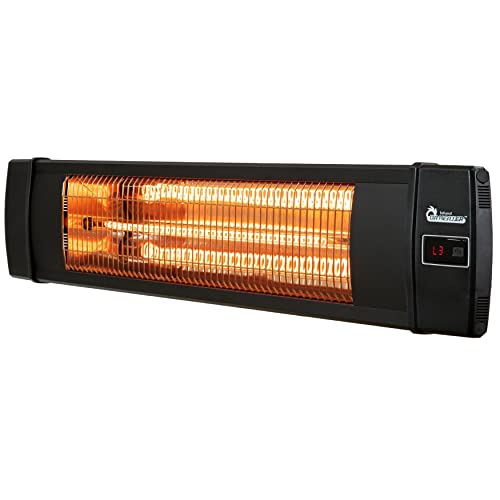
This unit Is Marketed For Both Indoor And Outdoor Use And Carries An IP55 Approval. It Uses Carbon Infrared Elements And Offers Three Power Settings: 900W, 1200W, And 1500W, Running On Standard 120V Power.
Key Features Mentioned Include instant, odorless infrared heat, a remote control for convenience, and a plug-and-go setup that requires no hardwiring. The IP55 rating Indicates Resistance To Dust And Low-Pressure Water Jets, Making It Suitable For Covered Porches And Patios.
Use Cases: Suitable For Residential Patios, Garages, And Semi-Outdoor Restaurant Areas. The multiple power levels allow tailoring output to ambient conditions and mounting height.
SereneLife Outdoor 900W Infrared Patio Heater

Call 888-896-7031 for Free Local HVAC Quotes – Compare and Save Today!
The SereneLife Unit Uses Carbon Fiber Heating Elements And Is ETL-Certified, Offering A Compact 900W Output With Two Heat Levels And Remote Control.
This Model Highlights IP65 Weather Resistance, Which Provides Strong Protection Against Dust And Water Jets, Making It Appropriate For More Exposed Outdoor Installations Compared To Lower IP Ratings.
Its Manufacturer Notes High Efficiency (About 88%), Intended To Reduce Energy Use Relative To Less Efficient Heaters. The Heater Produces Fast, Sun-Like Heat Without Gas Or Open Flames.
Danluke 1500W Outdoor Hanging Heater

This Ceiling-Mounted Infrared Model Delivers 1500W And Is Rated IP34 For Splash And Dust Protection. It Emphasizes 360° Infrared Coverage For Broad Heat Distribution.
Features Include A Dust Cover For Storage, Tip-Over And Overheat Protection, And Claims Fast Heating For Areas Like Gazebos, Balconies, And Garages. Its Adjustable Height And Hanging Orientation Provide Flexibility For Different Outdoor Configurations.
Call 888-896-7031 for Free Local HVAC Quotes – Compare and Save Today!
Use Cases: Best For Covered Outdoor Spaces Or Semi-Enclosed Areas Where Overhead Mounting Is Practical And A Strong 1500W Output Is Desired.
ThermoMate 3000W Carbon Fiber Infrared Heater

The ThermoMate Is A High-Power Option That Requires Hardwiring To A Dedicated 240V Circuit. It Offers Dual Power Modes (1500W Low, 3000W High) And Claims Instant Infrared Heat That Targets People And Surfaces Rather Than Air.
Manufacturer Notes Coverage Estimates Around 100–130 Sq. Ft. Depending On Mounting And Enclosure. The Unit Includes A 24-Hour Timer And Remote For Scheduled Operation.
Considerations: Because It Must Be Hardwired, This Model Is Better Suited To Permanent Installations On Covered Patios, Commercial Spaces, Or Enclosed Garages Where A Dedicated Circuit Is Feasible.
EAST OAK 1500W Wall Mounted & Standing Heater
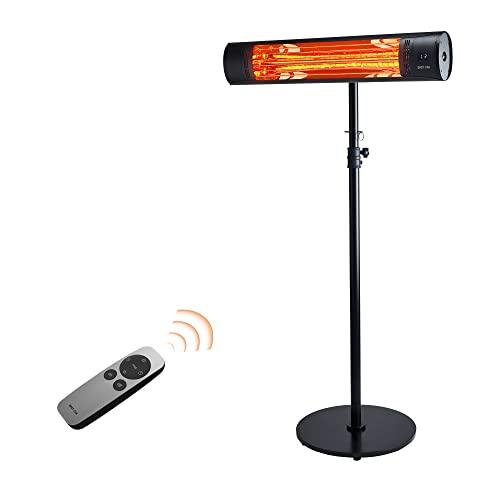
This Unit Uses A Gold-Coated Infrared Lamp With Low-Glare Output And Offers Three Heat Settings (1000W–1500W) Plus A 24-Hour Timer. The Product Notes Instant Warm-Up Within One Second Of Activation.
The IP65 Waterproof & Dustproof Rating Positions It For Outdoor Use In More Challenging Conditions. Safety Features Include Tip-Over And Overheat Protection. The Heater Can Be Wall-Mounted Or Used With A Stand For Portable Placement.
Use Cases: Good For Homeowners Seeking A Low-Glare Heat Source For Covered Porches, Balconies, And Semi-Exposed Patios With Flexible Mounting Needs.
Buying Guide: How To Choose An Electric Porch Heater
Selecting The Right Electric Porch Heater Depends On Four Main Categories: Power & Coverage, Weather Resistance, Mounting & Installation, And Safety & Controls.
Tips for Getting the Best HVAC Prices
- Prioritize Quality Over Cost
The most critical factor in any HVAC project is the quality of the installation. Don’t compromise on contractor expertise just to save money. - Check for Rebates
Always research current rebates and incentives — they can significantly reduce your overall cost. - Compare Multiple Quotes
Request at least three estimates before making your choice. You can click here to get three free quotes from local professionals. These quotes include available rebates and tax credits and automatically exclude unqualified contractors. - Negotiate Smartly
Once you've chosen a contractor, use the proven strategies from our guide — How Homeowners Can Negotiate with HVAC Dealers — to get the best possible final price.
Power And Coverage
- Wattage Matters: 900–1500W Is Typical For Small To Medium Covered Porches; 3000W Units Require Hardwiring And Provide Larger Coverage For Semi-Enclosed Areas.
- Heat Delivery: Infrared Models Heat People And Objects Directly Rather Than Air, Resulting In Faster Perceived Warmth In Breezy Conditions.
- Mounting Height: Follow Manufacturer Recommendations—higher mounts may require higher wattage to maintain comfort.
Weather Resistance And Outdoor Ratings
- IP Ratings: IP65 Offers Strong Dust/Water Protection For More Exposed Spots; IP34 Or IP55 Are Suitable For Covered Or Partially Protected Areas.
- Location: For Fully Exposed Patios, Choose Higher IP Protection Or Place Heater Under Overhangs. Indoor-rated units Should Not Be Used In Open Rain.
Mounting, Portability, And Installation
- Plug-In Vs. Hardwired: Plug-In Heaters Offer Flexibility; Hardwired 240V Units Provide Higher Output But Need Professional Installation.
- Mounting Options: Decide Between Wall, Ceiling/Hanging, And Free-Standing Tripod Options Based On Your Space.
- Adjustability: Aim For Models With Adjustable Tilt Or Height To Direct Heat To Seating Areas.
Controls, Timers, And Energy Efficiency
- Remote Control & Timers: Remote Operation And 24-Hour Timers Improve Convenience And Allow Scheduled Use To Save Energy.
- Multiple Heat Settings: Multi-level Controls Help Tailor Output To Conditions And Reduce Power Use.
- Efficiency Ratings: Carbon Fiber And Advanced Infrared Elements Often Provide Higher Efficiency And Lower Operating Costs Than Resistive Elements.
Safety Features
- Automatic Shutoff: Tip-Over And Overheat Protection Are Important For Portable Or Freestanding Units.
- Proper Clearance: Verify Required Clearances From Combustible Materials And Mounting Specifications.
- Certifications: ETL, CSA, Or Similar Listings Indicate Independent Safety Testing.
Comparison Perspectives
- Best For Covered Small Porches: 900–1500W Plug-In Infrared Heaters With IP34–IP55 Ratings Provide Adequate Heat Without Hardwiring.
- Best For Exposed Or Commercial Settings: IP65-Rated Units Or Hardwired 240V Options Deliver Robust Performance And Greater Weather Resistance.
- Best For Flexibility: Models Offering Wall, Ceiling, And Stand Mounting Provide The Most Adaptable Use Across Multiple Spaces.
Practical Tips Before Buying
- Measure The Area And Consider Wind Exposure When Choosing Wattage.
- Check Local Electrical Codes If Considering A Hardwired Unit.
- Confirm Replacement Lamp Availability For Lamps Or Tubes That May Need Service.
- Plan Mounting Height And Angle To Focus Heat On Seating Zones.