
Finding an energy-efficient electric heater that lowers running costs while keeping rooms warm requires comparing technologies, safety, and controls. Below is a concise comparison of five top electric-saving heaters selected for efficiency features and practical controls.
| Model | Type | Key Energy Feature |
|---|---|---|
| Dreo Space Heater | PTC Ceramic Fan Heater | Precise digital thermostat, Eco Mode, ±1℉ control |
| QOWETU Portable Space Heater | PTC Ceramic Oscillating Heater | ECO mode with automatic power selection, wide-angle oscillation |
| Dreo Oil Filled Radiator | Oil-Filled Radiant Heater | Eco mode, digital thermostat, long heat retention |
| De’Longhi Oil Filled Radiator | Oil-Filled Radiator | ComfortTemp automation, thermal slot design for efficiency |
| Ontel Handy Heater Turbo | Wall-Outlet Ceramic Heater | Plug-in design, programmable timer, adjustable thermostat |
Content Navigation
Dreo Space Heater With Precise Thermostat

This Dreo unit Is A 1500W PTC ceramic fan heater designed for rapid warm-up and improved air circulation. The seller highlights a Hyperamics PTC system plus a new heat funnel for faster delivery of warm air and extended reach compared to typical fan heaters.
- Temperature Control: Digital thermostat with NTC chipset gives a range from 41–95°F and ±1°F increments for precise setpoints that can reduce runtime.
- Energy Features: Eco Mode helps the unit modulate power to maintain set temperature, potentially saving energy versus fixed-output operation.
- Safety: Tip-over detection, overheat protection, V0 flame-retardant materials, and ETL certification.
For rooms where quick, directed warm air and tight temperature control matter, the Dreo Space Heater targets efficiency through precise thermostat control and power modulation.
QOWETU Portable Heater With Oscillation

The QOWETU is a 1500W PTC ceramic heater with a 70° oscillation function and remote control. It emphasizes even distribution and automated power selection to reach and maintain the set temperature.
Call 888-896-7031 for Free Local HVAC Quotes – Compare and Save Today!
- Heating Coverage: Advertised for up to 200 sq. ft. with 70° oscillation to boost coverage and reduce hot/cold spots.
- Energy Efficiency: ECO mode automatically adjusts power based on the difference between set and ambient temperatures, aiming for minimal energy use once the target is met.
- Convenience And Control: Touchscreen plus remote control and a 12-hour timer allow scheduled operation, reducing unnecessary run time.
- Safety: PTC ceramic element offers rapid warm-up with built-in safety features common to PTC designs.
This model suits users who want balanced heating for medium rooms and prefer automated power modulation backed by oscillation for better heat spread.
Dreo Oil Filled Radiator For Quiet Heating

The Dreo oil-filled radiator uses a 1500W element combined with oil thermal mass to provide silent, sustained heat. Oil radiators often run less frequently once the room is warmed, which can lower energy consumption for steady-state heating.
- Heat Dispersion: Seven advanced fins and a design claiming efficient dispersion to raise room temperature evenly and maintain warmth longer.
- Energy Control: Digital thermostat and Eco Mode maintain stable temperatures, reducing on/off cycles and inefficient surges.
- Safety: Triple overheat protection, tilt protection, fire-resistant materials, and ETL listing.
Oil-filled radiators are useful for long-duration heating in bedrooms or living rooms where quiet operation and steady warmth are priorities, often translating to more efficient energy use over sustained hours.
De’Longhi Oil Filled Radiator With ComfortTemp
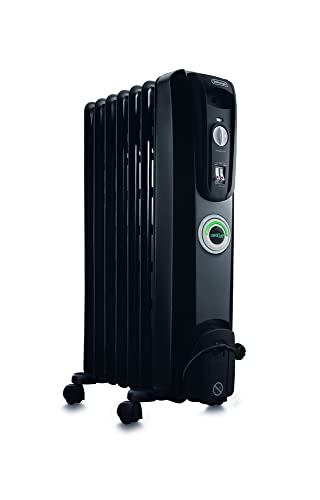
De’Longhi’s oil radiator features a 1500W capacity and an automation feature called ComfortTemp that adjusts settings to maintain an optimal balance between comfort and efficiency.
Call 888-896-7031 for Free Local HVAC Quotes – Compare and Save Today!
- Efficiency Features: ComfortTemp can reduce overall energy consumption by automatically modulating power levels to maintain target temperatures.
- Design For Heat Flow: Thermal slot design aims to maximize heat flow while keeping external surfaces cooler.
- Controls: Simple control layout for power level and temperature selection to avoid overuse.
De’Longhi models historically focus on user-friendly controls and thermal efficiency, making them a frequent consideration for full-room, low-noise heating where sustained heat retention helps lower runtime.
Ontel Handy Heater Turbo Wall-Outlet Heater

The Ontel Handy Heater Turbo is a compact ceramic unit that plugs directly into a wall outlet, intended for small spaces and focused heating without taking floor space.
- Form Factor: Wall-mounted design saves space and reduces need for extension cords.
- Energy Controls: Adjustable thermostat from 60–90°F plus a programmable 12-hour timer to limit run time and reduce wasted energy.
- Comfort Considerations: Ceramic technology can help retain moisture in air relative to some fan heaters.
- Coverage: Rated up to 250 sq. ft. for localized heating tasks where targeted warmth avoids heating unused space.
For small rooms, offices, or spaces where a plug-in, on-demand unit is desired, the Handy Heater Turbo provides timed, thermostat-controlled heat without occupying floor space.
Buying Guide: Choosing An Energy-Saving Electric Heater
Selecting the right electric heater requires weighing room size, usage patterns, and desired savings strategies. Below are key considerations and comparison perspectives to guide selection.
Heating Technology And Efficiency
- PTC Ceramic Fan Heaters: Fast warm-up and directional heating; efficient for short bursts and spot heating. Best when you want quick warmth and precise thermostat control.
- Oil-Filled Radiators: Slower to heat but retain warmth longer, leading to fewer on/off cycles. They are typically more efficient for prolonged, steady heating in occupied rooms.
- Wall-Outlet/Plug-In Heaters: Space-saving solutions for small areas and intermittent use; programmable timers reduce wasted runtime.
Thermostat Precision And Control
- Digital Thermostats: ±1°F precision enables the heater to run only as needed, improving efficiency compared with crude high/low settings.
- Eco Modes: Automatically modulate power based on ambient temperature—useful for lowering energy use after initial warm-up.
- Timers And Remote Controls: Timers and remotes allow scheduled operation and set-and-forget usage to avoid unnecessary run times.
Room Size And Distribution
- Small Rooms/Desks: Compact PTC or plug-in ceramic models deliver targeted warmth without heating unused areas.
- Medium Rooms (100–250 sq ft): Oscillating PTC heaters with good airflow or a mid-sized oil radiator can provide even coverage.
- Large Rooms: Multiple units or an oil-filled radiator with high dispersion are often more effective than a single fan heater.
Safety Features
- Tip-Over Protection: Essential for portable units used near foot traffic or pets.
- Overheat Shutoff: Prevents continuous operation if airflow is blocked or internal temperatures rise.
- Certifications: ETL/UL listings indicate compliance with safety standards.
Operating Cost Considerations
- Wattage vs. Runtime: A 1500W heater will use the same power while on, but devices with better thermostats and Eco modes often reduce runtime to meet set temperatures, lowering total energy consumed.
- Insulation And Zoning: Improving room insulation and heating only occupied zones yields more savings than switching heater models alone.
- Heat Retention: Oil radiators may run intermittently but keep rooms warm between cycles, reducing energy used over long periods.
Noise, Placement, And Practical Use
- Noise Level: Fan-based heaters are louder than oil-filled radiators. Choose silent models for bedrooms or offices.
- Placement: Keep clearance around heaters, place thermally sensitive thermostats away from drafts, and consider oscillation patterns for even spread.
- Portability: Wheels or handles make it easier to move heaters between rooms; wall-mounted options save floor space.
Comparison Perspectives
- Short Bursts vs. Long Runs: For quick warm-ups, PTC ceramic fan heaters are efficient. For continuous warmth overnight, oil-filled radiators typically use less energy overall.
- Precision Control vs. Simplicity: Digital thermostats and ECO modes provide fine control and potential savings, while mechanical settings offer simplicity but may waste energy.
- Space-Saving vs. Coverage: Wall-plug heaters maximize space savings but are optimized for smaller areas; full-size radiators or oscillating fans better serve larger rooms.
Use the above factors to prioritize the features that match your heating habits and space. Combining an efficient heater with smart use—timers, zoning, and insulation—yields the best energy savings.
Tips for Getting the Best HVAC Prices
- Prioritize Quality Over Cost
The most critical factor in any HVAC project is the quality of the installation. Don’t compromise on contractor expertise just to save money. - Check for Rebates
Always research current rebates and incentives — they can significantly reduce your overall cost. - Compare Multiple Quotes
Request at least three estimates before making your choice. You can click here to get three free quotes from local professionals. These quotes include available rebates and tax credits and automatically exclude unqualified contractors. - Negotiate Smartly
Once you've chosen a contractor, use the proven strategies from our guide — How Homeowners Can Negotiate with HVAC Dealers — to get the best possible final price.