
The right electric UTV heater keeps your cab comfortable and your windshield clear in cold weather. Below is a quick comparison of top electric UTV heaters and under‑dash heat kits selected for performance, fitment, and airflow.
| Product | Brand | Key Spec |
|---|---|---|
| JEGS Auxiliary UTV Heater 12 Volt (260 CFM) | JEGS | 28,000 BTU • 260 CFM • 3-Speed |
| JEGS Auxiliary UTV Heater 12V (300 CFM) | JEGS | 40,000 BTU • 300 CFM • 3-Speed |
| Polaris 8‑Vent UTV Heater & Defrost System | Polaris | Engine Coolant Heat • Multiple Vents • 3 Fan Speeds |
| Firestorm GEN II UTV Cab Heater With Defrost | MotoAlliance | 18,000 BTU • Custom Fit • OEM Style |
| Generic Under‑Dash Evaporator Heat & Cool Kit | Generic | 12,700 BTU • 359 CFM • Heat & Cool |
Content Navigation
JEGS Auxiliary UTV Heater 12 Volt Assembly

This 12V heater by JEGS provides 28,000 BTU and 260 CFM airflow designed for small cabs. The unit has a compact design suited for limited space and tight areas, making it appropriate as a UTV, truck, or tractor cab heater. A mounted switch and three-speed fan let users adjust airflow to match ambient conditions. Build and features emphasize rapid warm-up of small enclosed spaces. The unit is presented as a practical auxiliary heating option when integrated into existing electrical systems.
JEGS Auxiliary UTV Heater 12V 300 CFM Model

The higher‑output JEGS model increases capacity to 40,000 BTU with 300 CFM airflow. It retains a compact truck‑heater design for tight install locations and uses an injection molded glass‑filled nylon housing for durability. Like the smaller JEGS unit, it includes a three-speed motor and a mountable switch for in‑cab control. This model targets users requiring stronger heat delivery for larger cabs or faster defrosting performance.
Polaris 8‑Vent UTV Heater & Defrost System
Call 888-896-7031 for Free Local HVAC Quotes – Compare and Save Today!
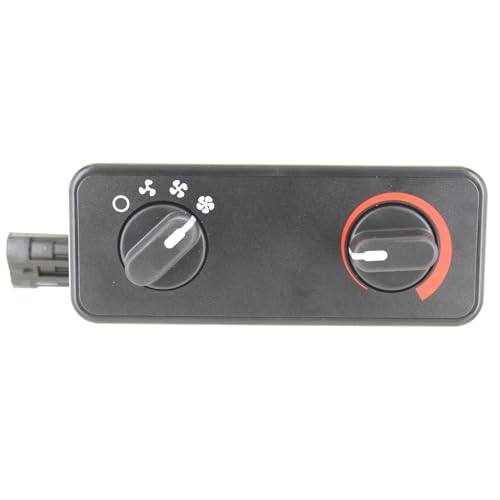
The Polaris system integrates a multi‑vent heater and defroster that draws heat from the vehicle’s engine coolant. It provides two defrost vents, four passenger vents, and two floor vents, delivering distributed airflow and consistent heating. The design emphasizes visibility and safety by using coolant heat for reliable warming and defrosting during extended cold operation. Controls include adjustable heat and three fan speeds. This system is engineered specifically for compatible Polaris GENERAL models and focuses on integrated, OEM‑style climate control.
FIRESTORM GEN II UTV Cab Heater With Defrost

The Firestorm GEN II is a custom‑fit cab heater designed for 2021–2025 CF Moto U‑Force 600 models. It delivers up to 18,000 BTU into the cab with a compact heater box for minimal intrusion into cabin space. The kit includes a defrost function and an OEM‑style finish intended to match factory components. The emphasis is on fitment, space‑saving design, and directed warm air to maintain occupant comfort and windshield clarity for a specific UTV application.
Generic Under‑Dash Evaporator 404‑100 Heat & Cool Kit

This universal under‑dash evaporator offers both heating and cooling capability with a 12,700 BTU capacity and approximately 359 CFM airflow. It is a full kit including an evaporator coil, compressor (Sanden‑style), condenser, expansion valve, mounting brackets, and a 3‑speed blower switch. Dimensions and components are listed to assist in fitment. The kit targets users seeking a combined heat and AC solution for underdash installation, with flexibility to adapt to different vehicle platforms when matched with appropriate mounting and hose runs.
Buying Guide: How To Choose An Electric UTV Heater
Selecting a UTV heater involves matching heater type, capacity, electrical system, and fitment to your vehicle and use case. Below are key factors to evaluate before purchase.
Call 888-896-7031 for Free Local HVAC Quotes – Compare and Save Today!
Heater Type
- Electric Resistance / 12V Heaters: Run from the vehicle electrical system. Simpler to install, often portable, but require sufficient alternator or battery capacity for sustained operation.
- Coolant‑Sourced Heaters: Use engine coolant heat via a heat exchanger and blower. They provide continuous heat while the engine runs and usually offer reliable defrosting with lower electrical draw.
- HVAC/Under‑Dash Kits: Full evaporator/compressor systems provide both heating and cooling. They require more installation effort and space but add HVAC functionality.
Heat Output And Airflow
- BTU Rating: Higher BTU generally means greater heat output. For small UTV cabs, 18,000–40,000 BTU picks up quickly. Consider BTU relative to cab volume.
- CFM (Airflow): Higher CFM improves heat distribution and defrost speed. A balance of BTU and CFM is ideal—high BTU with low airflow may create hot spots but slow windshield clearing.
Power Demands And Electrical Compatibility
- 12V System Load: Check your UTV’s alternator and battery capacity. High‑output electric heaters can draw significant current; confirm wiring and fusing requirements.
- Alternator Upgrade: Some installations benefit from an upgraded alternator or dedicated battery to avoid depletion during long use.
- Switching And Controls: Look for variable fan speeds and a mountable switch for in‑cab control to modulate draw and comfort.
Fitment And Installation
- Custom Fit vs Universal: Custom kits (OEM style) reduce installation time and provide clean integration. Universal units offer flexibility but may need brackets, hoses, and routing work.
- Space Constraints: Measure available space under dash or behind panels to ensure the blower box or evaporator will fit without obstructing controls or storage.
- Plumbing And Ducting: Coolant‑sourced heaters require hose routing to the engine cooling circuit. Under‑dash AC/heat kits require condenser mounting with airflow clearance.
Defrost And Visibility
For safety, prioritize systems with dedicated defrost vents or the ability to direct airflow to the windshield. Coolant‑sourced heaters and multi‑vent systems typically excel at clearing ice and fog.
Durability And Materials
- Housing Materials: Injection molded or metal housings handle vibration and temperature cycling better than thin plastic.
- Fan Motor Quality: Brushless or long‑life motors reduce maintenance and noise issues in rough terrain.
Maintenance And Serviceability
- Check ease of accessing blower motors, filters, and hoses for service. Kits with readily available replacement parts and clear instructions reduce downtime.
- For integrated engine‑heated systems, verify coolant access points and sealing to prevent leaks.
Comparison Perspectives
- Performance Focus: If fastest cabin warm‑up and high defrost performance are priorities, choose higher BTU + higher CFM units or coolant‑sourced multi‑vent systems.
- Electrical Simplicity: If you prefer minimal electrical upgrades, a coolant‑driven OEM or custom fit heater reduces draw on the 12V system.
- Full HVAC Needs: For both heating and cooling, under‑dash evaporator kits provide dual functionality but require more installation complexity.
- Vehicle Specificity: For direct fit and aesthetic integration, custom OEM‑style kits like the Firestorm or Polaris units are advantageous.
Installation Checklist
- Verify heater fitment area and measure space for mounting hardware.
- Confirm alternator/battery specs and calculate expected electrical draw.
- Gather required tools, hose clamps, wiring terminals, and fuses per product instructions.
- Plan routing for coolant hoses or refrigerant lines with clearance from exhaust and moving parts.
- Test heater operation at idle and while driving; verify defrost function and check for leaks or wiring issues.
Safety And Regulations
- Use proper fusing and wiring gauge for all 12V heater installations to prevent overheating.
- Secure mounting to prevent vibration fatigue and avoid blocking vents or controls.
- When modifying coolant systems, follow manufacturer torque and sealing guidelines to avoid engine damage.
Use the above criteria to match a heater to your vehicle size, desired functionality, and installation capability. Reviewing product specifications for BTU, CFM, power draw, and fitment will ensure a reliable heating setup for cold weather UTV use.
Tips for Getting the Best HVAC Prices
- Prioritize Quality Over Cost
The most critical factor in any HVAC project is the quality of the installation. Don’t compromise on contractor expertise just to save money. - Check for Rebates
Always research current rebates and incentives — they can significantly reduce your overall cost. - Compare Multiple Quotes
Request at least three estimates before making your choice. You can click here to get three free quotes from local professionals. These quotes include available rebates and tax credits and automatically exclude unqualified contractors. - Negotiate Smartly
Once you've chosen a contractor, use the proven strategies from our guide — How Homeowners Can Negotiate with HVAC Dealers — to get the best possible final price.