
Keeping a van or camper warm requires the right heater for size, power, and safety. Below is a compact comparison of recommended electric and RV-compatible heating solutions suited for vans, campers, and small RVs.
| Product | Type | Key Strength |
|---|---|---|
| Mr. Heater MH9BXRV Buddy | Portable Radiant (Propane) | Indoor-safe RV radiant heat, high BTU |
| Dreo Space Heater 1500W | Portable Electric Ceramic | Fast PTC heating, digital thermostat |
| GiveBest Portable 1500W Heater | Electric Ceramic | Compact with thermostat and safety features |
| Stalwart 12-Volt Electric Blanket | 12V Heated Blanket | Direct 12V vehicle power, lightweight |
| outequip RV Rooftop AC With Heater | Rooftop Unit With PTC Heater | Integrated HVAC for longer trips, 12V/AC systems |
Content Navigation
- Mr. Heater MH9BXRV Buddy Grey Portable RV Radiant Heater
- Dreo Space Heater 1500W Portable Electric Heater With Thermostat
- GiveBest Portable Electric Space Heater With Thermostat
- Stalwart 12-Volt Electric Blanket For Car, Truck, SUV, Or RV
- outequip RV Rooftop Air Conditioner With Integrated Heater
- Buying Guide: Choosing An Electric Van Heater
Mr. Heater MH9BXRV Buddy Grey Portable RV Radiant Heater
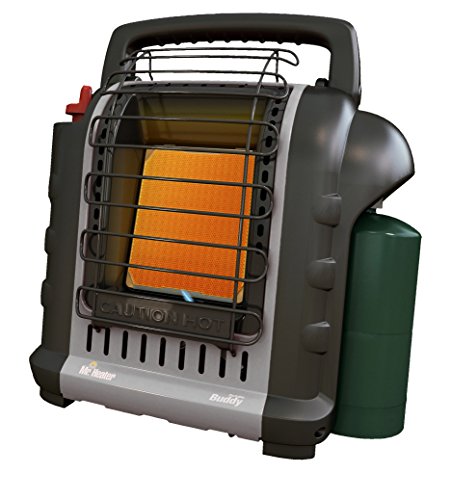
This unit Is A 4,000–9,000 BTU radiant heater marketed for RV and indoor/outdoor use and is described as nearly 100% efficient. It’s suitable for spaces up to 225 square feet and runs on propane rather than vehicle electrical supply.
Key safety features listed include auto shut-off if tipped over, pilot light outage detection, and low-oxygen shutoff. The product notes potential altitude operation limits above 7,000 feet where the unit may shut off. As a radiant heater, it provides targeted warmth rather than whole-cabin forced air.
Dreo Space Heater 1500W Portable Electric Heater With Thermostat

The Dreo Space Heater Uses a 1500W PTC ceramic element and a heat-funnel design to accelerate warm-air delivery. The product highlights rapid heating and wider warm-air reach compared with conventional space heaters.
Call 888-896-7031 for Free Local HVAC Quotes – Compare and Save Today!
Safety features listed include tilt-detection sensor, overheat protection, flame-retardant materials, and ETL certification. The digital thermostat supports fine temperature adjustment and a 12-hour timer, which can help maintain consistent cabin temperatures on grid-connected or inverter systems sized to supply 1500W.
GiveBest Portable Electric Space Heater With Thermostat

GiveBest Offers a two-level ceramic heater (1500W/750W) with a built-in thermostat and fan-only mode. It’s described as compact and portable for use in small spaces such as van cabins or sleeping areas when AC power or inverter capacity allows.
Safety systems noted include automatic overheat shutoff, tip-over protection, and flame-retardant housing. The thermostat range and carry handle make it suitable for temporary spot heating where controlled cycling reduces energy draw compared to constant high-output operation.
Stalwart 12-Volt Electric Blanket For Car, Truck, SUV, Or RV

The Stalwart 12V Electric Blanket Plugs Into A Vehicle Cigarette Lighter And Uses Low-Voltage heating wires to provide localized warmth. The listing highlights a 96-inch cord for rear-seat coverage and easy portability for camping and travel.
Call 888-896-7031 for Free Local HVAC Quotes – Compare and Save Today!
This solution is electrically compatible with standard 12V accessory sockets and is lightweight and foldable. As a direct-vehicle-power device, it can be an energy-efficient option for warming occupants without running high-wattage heaters or draining inverter capacity.
outequip RV Rooftop Air Conditioner With Integrated Heater

This Rooftop HVAC Unit Combines 10,000 BTU cooling with a 4,500 BTU PTC heater for supplemental warmth. The listing states it is intended for quick cooling and provides heater support suitable for mild temperatures or small-space supplemental heating.
Construction notes include UV-stabilized ABS housing, EPDM gasket, and zinc-coated condenser for durability. For van installations this type of integrated rooftop system offers year-round climate control but requires roof penetration, vehicle power planning, and compatibility with roof structures.
Buying Guide: Choosing An Electric Van Heater
Selecting the right heater for a van requires balancing power source, heat output, safety, and installation complexity. Below are key considerations and comparison perspectives to guide selection.
Power Source And Energy Consumption
- 12V Options (Blankets, Low-Voltage Heaters) — Use vehicle accessory outlets directly. Best for occupant warmth without high inverter demand. Limited to personal heating or very small areas.
- 120V Electric Heaters (1500W Ceramic) — Require shore power, generator, or inverter sized for continuous 1500W. Provide fast, whole-cabin heat but draw significant power.
- Propane Radiant Heaters — Provide high BTU output independent of electrical system. Require ventilation and careful attention to safety sensors and altitude limitations.
- Integrated Rooftop Units — Use vehicle electrical systems or shore power; provide HVAC-like control but need professional installation and power planning.
Heat Delivery Method
- Radiant Heat — Warms objects and people directly; efficient for targeted warmth. Good for spot heating without warming entire air volume.
- Forced-Air/Ceramic Heaters — Circulate warm air to raise ambient temperature; better for whole-cabin warmth but require more power.
- Conductive Heating (Blankets) — Very efficient for occupant comfort with minimal draw; limited to personal coverage.
Safety Features And Certification
- Look For tip-over protection, overheat automatic shutoff, and oxygen depletion sensors (for combustion units).
- Prefer ETL/UL/CSA certification or manufacturer-stated compliance for electrical heaters.
- For propane devices, verify CO/low-oxygen shutoff and follow ventilation guidance; note altitude-related performance notes.
Installation And Fit
- Portable units require minimal installation but consider secure mounting to prevent tipping during travel.
- Rooftop or built-in HVAC needs professional installation, roof reinforcements, and planned wiring or AC circuits.
- 12V accessories are plug-and-play but check vehicle socket ratings and avoid draining the battery when engine is off.
Performance Metrics To Compare
- BTU or Wattage — Higher BTU/Watt can heat faster, but ensure power availability.
- Coverage Area — Manufacturer coverage estimates indicate suitable cabin size, but insulation and airflow affect real performance.
- Thermostat Control — Precise control reduces overshoot and energy use; digital thermostats and timers add convenience.
- Warm-Up Time — PTC ceramic and radiant elements differ in response times; choose based on how quickly you need heat.
Multiple Comparison Perspectives
- Energy Efficiency Perspective — 12V blankets and radiant solutions often provide targeted comfort with lower energy impact versus whole-cabin 1500W heaters.
- Comfort Perspective — Forced-air heaters can raise overall cabin temperature; radiant and blankets give faster perceived warmth to occupants.
- Installation/Practicality Perspective — Portable electric heaters offer easy setup; rooftop units provide integrated climate control but require more commitment.
- Safety/Risk Perspective — Combustion-based portable propane heaters require strict adherence to CO and ventilation guidance; electric units shift focus to electrical load and tip/over mitigation.
When choosing a van heater, match the device to your electrical capacity, heating goals, safety requirements, and installation willingness. Prioritize certified safety features and realistic heating capacity relative to your van’s insulation and typical outdoor temperatures.
Tips for Getting the Best HVAC Prices
- Prioritize Quality Over Cost
The most critical factor in any HVAC project is the quality of the installation. Don’t compromise on contractor expertise just to save money. - Check for Rebates
Always research current rebates and incentives — they can significantly reduce your overall cost. - Compare Multiple Quotes
Request at least three estimates before making your choice. You can click here to get three free quotes from local professionals. These quotes include available rebates and tax credits and automatically exclude unqualified contractors. - Negotiate Smartly
Once you've chosen a contractor, use the proven strategies from our guide — How Homeowners Can Negotiate with HVAC Dealers — to get the best possible final price.