
Find reliable enclosure heating solutions that pair a heater or heat mat with a thermostat to maintain stable temperatures for reptiles, plants, and incubations. Below is a quick comparison of five well-matched products so you can scan features and pick the right configuration for your enclosure needs.
| Product | Type | Control | Best For |
|---|---|---|---|
| BN-LINK Digital Heat Mat Thermostat Controller | Controller (outlet) | Digital setpoint 40–108°F | Heat mats, seed germination, reptile enclosures |
| REPTI ZOO 8×12 Reptile Heat Pad + Thermostat | Heat pad with thermostat | Adjustable 68–122°F (20–50°C) | Small terrariums, species needing localized warmth |
| Tikaton Reptile Heating Pad + Digital Thermostat Combo | Combo set | Digital controller, easy buttons | 10–40 gal tanks, general terrarium heating |
| REPTIZOO Dimming Thermostat (PID) | Dimming thermostat (PID) | Wide range 41–140°F (5–60°C) | Heat lamps, bulbs, and resistive heaters |
| Aiicioo Under Tank Heater Thermostat Combo | Heat mat + thermostat | Digital display, 32–140°F range | Hermit crabs, small reptiles, side/bottom mounting |
Content Navigation
BN-LINK Digital Heat Mat Thermostat Controller

The BN-LINK unit is a compact digital thermostat controller designed for heat mats and other heating devices only. Its simple three-button interface lets users set target temperatures and toggle between Fahrenheit and Celsius.
- Setup Simplicity: Three-button control minimizes complexity for routine adjustments.
- Display And Indicators: Bright display with LED heating and power indicators helps verify status in low light.
- Sensor And Cords: Includes a probe (4.92 ft) and a 3-prong power cord (3.94 ft) for flexible sensor placement and device connection.
- Application Notes: Intended strictly for heating devices; not a cooling controller.
For users pairing a separate heat mat with a controller, the BN-LINK offers a clean, dedicated method to maintain consistent temperatures. The probe length supports placing the sensor where the animal or plants experience the air/ substrate conditions rather than right next to the heater element.
REPTI ZOO 8″ X 12″ Reptile Heat Pad With Thermostat

This REPTI ZOO heat pad combines carbon fiber heating technology with an adjustable thermostat, offering rapid warm-up and a waterproof PVC surface appropriate for terrarium use.
Call 888-896-7031 for Free Local HVAC Quotes – Compare and Save Today!
- Heating Performance: 24W power and carbon fiber heating yield faster heat-up than older resistive pads.
- Temperature Range: Adjustable between 20–50°C (68–122°F), spanning common reptile basking and incubation needs.
- Durability: PVC surface offers waterproofing and insulation for longer service life.
- Use Cases: Best for providing a localized warm spot or under-tank heating for small to medium enclosures.
Because the pad is thin and waterproof, it can be placed under glass or against the exterior side of a terrarium to provide gentle, localized heating. The thermostat integration reduces the need for an external controller when used within its operating range.
Tikaton Reptile Heating Pad And Thermostat Combo

The Tikaton combo pairs a reptile heat mat with a digital thermostat designed for quick setup and regular operation. The controller emphasizes user-friendliness and visual status indicators.
- Zero-Effort Setup: Three-button control and a clear display make programming accessible.
- Indicator Lights: LED heating and power lights provide quick visibility at night.
- Build Quality: Rugged plastic housing and an ergonomic shape intended to resist wear.
- Compatibility: Designed to work as a simple turnkey under-tank heating solution for common sized tanks.
For keepers who prefer an integrated combo rather than matching separate components, this set provides a practical option with clear status indicators and a controller sized for typical terrarium use.
REPTIZOO Dimming Thermostat PID Controller
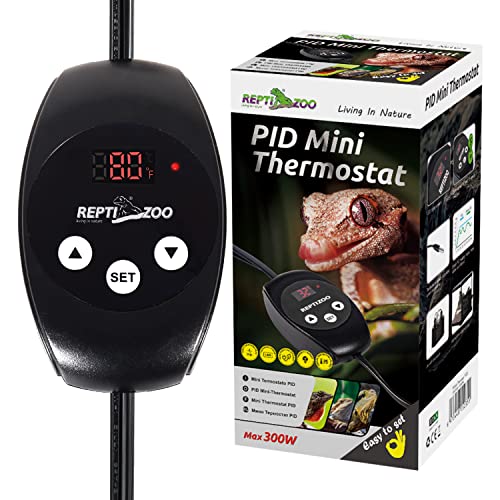
The REPTIZOO dimming thermostat uses a PID control method to regulate power output to lamps and resistive heaters. PID dimming smooths temperature swings and can extend bulb life by reducing full-cycle on/off stress.
Call 888-896-7031 for Free Local HVAC Quotes – Compare and Save Today!
- Dimming Control: Smooth power modulation rather than simple cycling, ideal for heat lamps.
- Wide Range: Controls from 5–60°C (41–140°F), suitable for diverse enclosure setups.
- Safety And Precision: Sensitive sensor and memory function to maintain consistent control after power interruptions.
- Intended Use: Specifically designed for heat bulbs and heaters, not for sunlamps.
Where a heat lamp provides open-air or basking heat, a PID dimmer delivers more stable temperature control than basic on/off relays. This makes it appropriate for species sensitive to temperature fluctuations and setups using incandescent or ceramic heat emitters.
Aiicioo Under Tank Heater Thermostat Combo

The Aiicioo set pairs an 8×12 inch under-tank heater with a digital thermostat and offers mounting flexibility for bottom or side placement. The pad outputs steady heat and includes rubber feet for elevated mounting when needed.
- Temperature Capability: Heat output targeted around 104–122°F; controller display range 32–140°F.
- Upgraded Adhesive: Adhesive backing improved over earlier models to reduce separation or melting risk.
- Mounting Options: Bottom or side mounting plus rubber feet to elevate the tank slightly for heat dissipation.
- Warnings: Recommended not to place directly on plastic or acrylic tanks to avoid heat-related damage.
This combo is appropriate for small reptile enclosures and hermit crabs where a controlled under-tank heat source is preferred. The included thermostat lets you monitor setpoint and ambient readings for routine verification.
Buying Guide: Choosing The Right Enclosure Heater And Thermostat
Selecting an enclosure heater with thermostat capability requires matching heater type, power, control method, and safety features to your specific animals, plants, or incubation needs. The following considerations address common variables to evaluate.
Heater Types And Use Cases
- Under-Tank Heaters / Heat Pads: Provide gentle, localized substrate warmth suitable for burrowing reptiles and incubation. Use with thermostats to avoid overheating the substrate.
- Heat Lamps / Bulbs: Create basking spots and open-air warmth. Require dimming/PID controllers for stable output without frequent cycling.
- Space Heaters / Greenhouse Heaters: For larger enclosures or plant tents; pair with a thermostat probe positioned within the growing zone to control ambient air temperature.
Controller Type And Accuracy
- On/Off Relays: Simple and effective for many heat mats; may cause small temperature swings as devices cycle.
- PID/Dimming Controllers: Modulate power, reducing overshoot and improving stability—particularly useful for heat lamps and sensitive species.
- Digital Display And Memory: Digital setpoints and memory functions maintain settings across power events and make adjustments easier.
Sensor Placement And Probe Length
- Probe Location: Place the probe where you want to maintain ambient temperature, not directly against the heater. For substrate-targeted heating, embed sensor at the animal’s usual location.
- Probe Length: Choose controllers with probe lengths sufficient for routing to the target point without kinking or compressing the sensor cable.
Temperature Range And Setpoint Resolution
- Range: Verify the controller and heater cover your species’ required minimum and maximum temperatures.
- Resolution: Fine-grained setpoint adjustment (±0.1–1°F/°C) helps maintain stable microclimates for sensitive taxa.
Safety Features
- Overheat Protection: Built-in cutoffs, thermal breakers, or self-resetting protections help prevent sustained overheating.
- Water Resistance: Waterproof or splash-resistant surfaces reduce risk in humid terrariums and plant setups.
- Certification: Look for recognized safety listings or ETL/UL marks for electrical products.
Installation And Mounting
- Placement: Under-tank pads typically mount outside glass; some adhesives are suitable for permanent placement—ensure compatibility with tank materials.
- Controller Mounting: Hanging tabs or wall-mount options let you keep the controller accessible and away from moisture.
Compatibility And Power Ratings
- Power Match: Ensure the controller’s rated amperage and wattage exceed the heater’s requirements to avoid overloading.
- Device Type: Confirm the controller is intended for resistive heaters, lamps, or mats as required—some controllers are heating-only.
Monitoring And Redundancy
- Second Probe Or Alarm: For critical incubation or rare species, use a secondary probe or alarm system to detect failures.
- Visual Indicators: LED heating and power lights provide quick verification of operation, particularly at night.
Comparison Perspectives
- For Simple Under-Tank Heating: Combined heat pad/thermostat kits are convenient and reduce component matching errors.
- For Heat Lamp Basking Areas: Prefer PID dimming controllers for smoother control and longer bulb life.
- For Large Spaces: Space or greenhouse heaters with thermostats are better suited to ambient temperature control than small mats.
- For Precision Applications: Devices with fine resolution, memory functions, and longer probe leads provide better control and placement flexibility.
Choosing the right enclosure heater and thermostat means balancing the biological needs of the enclosure inhabitants with the control precision and safety features of the hardware. Match heater type to application, confirm compatibility between heater and controller, place sensors thoughtfully, and prioritize safety features and ratings for reliable performance.
Tips for Getting the Best HVAC Prices
- Prioritize Quality Over Cost
The most critical factor in any HVAC project is the quality of the installation. Don’t compromise on contractor expertise just to save money. - Check for Rebates
Always research current rebates and incentives — they can significantly reduce your overall cost. - Compare Multiple Quotes
Request at least three estimates before making your choice. You can click here to get three free quotes from local professionals. These quotes include available rebates and tax credits and automatically exclude unqualified contractors. - Negotiate Smartly
Once you've chosen a contractor, use the proven strategies from our guide — How Homeowners Can Negotiate with HVAC Dealers — to get the best possible final price.