
Finding an energy efficient bathroom heater means balancing safety, ventilation, and low operating cost. Below is a concise comparison of five well-suited units for bathrooms, including wall- and ceiling-mounted heaters and an exhaust fan/heater combo.
| Product | Type | Key Advantage |
|---|---|---|
| Heat Storm HS-1500-PHX-WIFI Infrared Heater | Wall-Mounted Infrared | Wi‑Fi Control, Space‑Saving |
| ENVI Plug-in Electric Panel Wall Heater | Low-Wattage Panel | Continuous 24/7 Low‑Watt Operation |
| Delta Breez Radiance Exhaust Fan With Heater | Exhaust Fan + Heater | Integrated Ventilation With 1300W Heater |
| Broan-NuTone 157 Ceiling Heater | Ceiling Fan-Forced Heater | Low-Profile, Purpose Built For Bath/Kitchen |
| VAGKRI Electric Wall Heater 1500W | Panel Wall Heater With Fan | Thermostat And Multiple Fan Speeds |
Content Navigation
- Heat Storm HS-1500-PHX-WIFI Infrared Heater, Wifi Wall Mounted
- Envi Plug-in Electric Panel Wall Heaters For Indoor Use
- Delta Breez Radiance Exhaust Fan 80 CFM With Heater
- Broan-NuTone 157 Low-Profile Ceiling Heater
- VAGKRI Electric Wall Heater 1500W With Thermostat
- Buying Guide: Choosing An Energy Efficient Bathroom Heater
Heat Storm HS-1500-PHX-WIFI Infrared Heater, Wifi Wall Mounted

This wall-mounted infrared heater is designed for rooms where floor space is limited. The unit is Wi‑Fi enabled, allowing remote temperature control from a phone. It includes a touch screen digital thermostat and a remote, plus a tip‑over safety shutoff described in the features.
Infrared heat warms objects and people directly, which can feel efficient in smaller bathrooms. The space‑saving wall mount design keeps the footprint minimal and suits multi-use areas like bathrooms and powder rooms. Consider installation location relative to wet zones and local electrical codes for bathroom applications.
Envi Plug-in Electric Panel Wall Heaters For Indoor Use
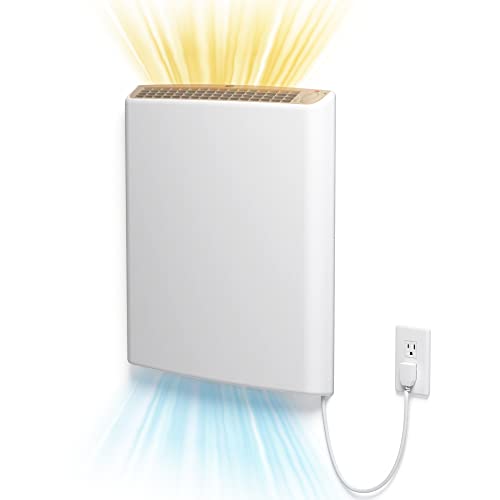
The ENVI panel heater provides low‑wattage, continuous heating, designed for targeted comfort without high energy draw. Features include a wall-sense safety sensor that cuts power if removed from the wall and a cool surface operation around 90°F per the listing.
Call 888-896-7031 for Free Local HVAC Quotes – Compare and Save Today!
This unit’s fan-less Stack Convection design minimizes noise and blowing dust, which benefits sensitive occupants. The product is marketed for 24/7 use, keeping humidity and air quality in mind. For bathrooms, check if the specific model and installation meet local bathroom electrical and moisture safety requirements.
Delta Breez Radiance Exhaust Fan 80 CFM With Heater

The Delta Breez Radiance is an exhaust fan with an integrated 1300W heating element. It combines ventilation and supplemental heating in one ceiling-mounted unit, addressing moisture removal and comfort simultaneously. The brushless DC motor is rated for long life and high efficiency.
Built-in thermostat control and a thermal cutoff fuse enhance safety for bath environments. The fan operates at just 1.5 sones per the features, which keeps noise low while providing targeted heat on chilly mornings. This combination unit can reduce the need for separate heaters and help control humidity-related issues.
Broan-NuTone 157 Low-Profile Ceiling Heater

The Broan‑NuTone 157 is a compact, ceiling-mounted, fan‑forced heater intended for bathroom and kitchen use. The unit uses an enclosed sheath element and runs at approximately 1250W, per the features, delivering quick supplemental heat while keeping a low profile.
Call 888-896-7031 for Free Local HVAC Quotes – Compare and Save Today!
Ceiling-mounted systems save wall space and place the heating element away from wet zones. The enclosed element and durable aluminum grille are designed for reliable use in damp spaces. For energy efficiency, pair with short run times and local thermostatic control rather than continuous operation.
VAGKRI Electric Wall Heater 1500W With Thermostat
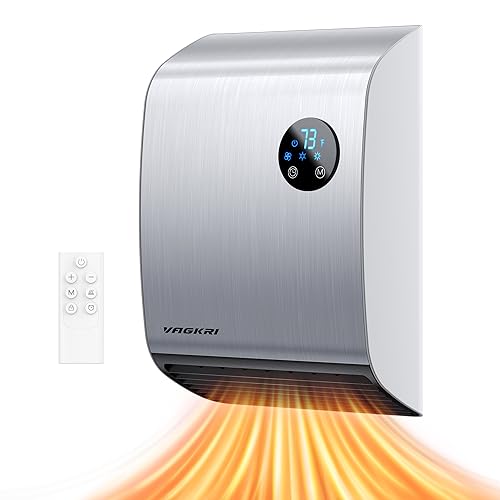
This electric wall panel heater offers 1500W fast heating with three fan speeds and an adjustable thermostat. Features include a remote control, safety auto‑shutdown after continuous use, V‑0 flame retardant material, and overheating protection according to the listing.
The built‑in thermostat and multiple fan speeds allow more precise room tempering, which can improve efficiency by avoiding overheating. The child lock and automatic shutoff are relevant for family bathrooms. Installation should follow bathroom electrical safety guidelines.
Buying Guide: Choosing An Energy Efficient Bathroom Heater
Selecting the right bathroom heater requires weighing safety, efficiency, and the bathroom’s layout. Below are key considerations and comparison perspectives to help match a unit to your needs.
1. Safety Ratings And Bathroom Suitability
- IP and Moisture Ratings: Confirm the heater or fan/heater is rated for damp or wet locations if placed inside or adjacent to shower areas. Ceiling or outside-wall mounting can reduce direct moisture exposure.
- Thermal Cutoffs And Overheat Protection: Look for listed features like thermal fuses, overheating shutoffs, and tip‑over sensors (for portable units).
- Installation Type: Hardwired or ceiling fixtures often offer safer long‑term solutions than plug‑in heaters in bathrooms. Consult a licensed electrician for code compliance.
2. Energy Efficiency Metrics
- Wattage And Targeted Heating: Lower wattage units (or low‑watt continuous panels) can be more economical when heating only the bathroom for short periods. Higher wattage delivers faster heat but increases instantaneous draw.
- Infrared vs Convection vs Fan‑Forced: Infrared heats objects directly (efficient for occupants), convection warms air (good for whole-room comfort), and fan‑forced units distribute heat quickly but can use more electricity during operation.
- Thermostat And Timers: Built‑in thermostats, Wi‑Fi scheduling, or timers reduce runtime and improve energy usage by avoiding unnecessary heating.
3. Ventilation And Humidity Control
- Combined Fan/Heater Units: Models like exhaust fan/heater combos remove moisture while providing heat, helping prevent mold and reducing drying time for towels.
- Separate Ventilation Needs: If the heater lacks exhaust function, ensure you have adequate ventilation to manage humidity and condensation.
4. Installation And Space Considerations
- Mounting Location: Wall or ceiling models preserve floor space; portable units require dry, stable placement away from water sources.
- Electrical Requirements: Many 120V units plug in, while higher capacity or hardwired models may need dedicated circuits. Confirm circuit capacity and local code requirements.
5. Noise, Comfort, And Air Quality
- Noise Level: Fan‑less or brushless motor units run quieter. If the bathroom doubles as a relaxation space, prioritize low‑sones or fan‑less designs.
- Air Movement And Dust: Fan‑less convection or infrared units reduce dust circulation; fan‑forced heaters may move more air and can increase dust spread.
6. Control Options And Smart Features
- Remote And Wi‑Fi Control: Smart control enables preheating and scheduling, which can reduce energy use by only heating when needed.
- Local Thermostat Integration: A thermostat that senses the room temperature helps maintain comfort while minimizing runtime.
7. Maintenance And Durability
- Motor Life And Warranty: Brushless DC motors or durable elements extend operational life and lower lifetime cost.
- Ease Of Cleaning: Grilles and accessible filters (if present) simplify maintenance to sustain efficiency.
Comparison Perspectives
- Best For Combined Ventilation And Heating: An exhaust fan/heater (like the Delta Breez Radiance) addresses both humidity and warmth with efficient brushless motors.
- Best For Continuous Low Energy Use: Low‑wattage panel heaters (ENVI) are designed for steady, low‑temperature operation with low noise.
- Best For Fast Localized Warmth: Wall or ceiling fan‑forced heaters (Broan‑NuTone, VAGKRI) deliver quick heat when used briefly.
- Best For Direct Personal Warmth: Infrared wall units (Heat Storm) heat occupants and surfaces quickly, improving perceived warmth without heating all the air.
When evaluating options, cross-check product installation instructions and local electrical codes for bathroom use. Prioritize units with explicit safety features and documented suitability for damp locations to ensure both efficiency and safe operation.
Tips for Getting the Best HVAC Prices
- Prioritize Quality Over Cost
The most critical factor in any HVAC project is the quality of the installation. Don’t compromise on contractor expertise just to save money. - Check for Rebates
Always research current rebates and incentives — they can significantly reduce your overall cost. - Compare Multiple Quotes
Request at least three estimates before making your choice. You can click here to get three free quotes from local professionals. These quotes include available rebates and tax credits and automatically exclude unqualified contractors. - Negotiate Smartly
Once you've chosen a contractor, use the proven strategies from our guide — How Homeowners Can Negotiate with HVAC Dealers — to get the best possible final price.