
Finding a fan heater with a reliable timer helps control comfort and energy use. Below is a concise comparison of five popular timer-equipped fan heaters and compact space heaters that combine fan modes, thermostats, and programmable timers for bedroom or living-room use.
| Product | Key Features |
|---|---|
| Lasko Oscillating Hybrid Tower (FHV820) | 3 heat settings, 4 fan speeds, Timer, AutoEco thermostat, Tip-over switch |
| Dreo Tower Fan & Heater Combo (MC706) | 12H timer, 17 fan levels, 6 modes, 120° oscillation, 1500W heater |
| Dreo Portable Space Heater | 12H timer, digital thermostat, PTC ceramic, remote control, safety sensors |
| FOHERE Oscillating Tower Fan & Heater | 12H timer, ECO mode, thermostat control, touch controls |
| VOCRS Portable Space Heater | 1–12H timer, 3 heat modes, remote control, digital display |
Content Navigation
Lasko Oscillating Hybrid Fan And Heater
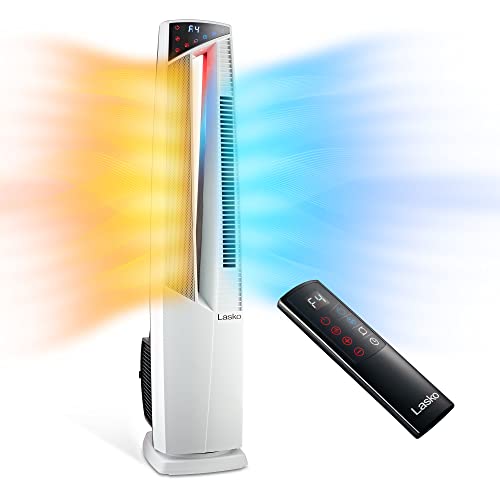
The Lasko hybrid tower combines a ceramic 1500W heater with a high-velocity fan and includes a timer and thermostat to maintain set temperatures. Its features list highlights 3 heat settings and 4 fan speeds, widespread oscillation for room distribution, and safety elements like a tip-over switch.
Relevant features: AutoEco thermostat to reduce energy consumption, remote control for adjustments from across the room, and a compact tower footprint suited to bedrooms or offices. The unit emphasizes year-round use, switching between heating and cooling modes depending on season. Safety interlocks and a tip-over switch are specified for indoor use.
Dreo Tower Fan And Heater Combo

The Dreo MC706 integrates a 12H timer, 17 fan speeds, and a 5-level 1500W PTC heating element. It offers wide 120° oscillation and claims rapid airflow with a high-RPM DC motor for extended reach and room coverage.
Call 888-896-7031 for Free Local HVAC Quotes – Compare and Save Today!
Key technical notes: Auto-shift tech switches between heater and fan performance, an advanced ECO mode for thermostat precision (41–95°F range), and a remote for hands-off control. This model stresses fast heat delivery and higher airflow (CFM-focused) for larger spaces while keeping noise low at stated dB levels.
Dreo Space Heater With Thermostat

This Dreo portable heater emphasizes precision temperature control and safety. It provides a digital thermostat, 12H timer, remote control, and PTC ceramic heating for quick warm-up. The device lists ETL certification and multiple safety sensors including tilt-detection and overheat protection.
Performance details: adjustable temperature in 1°F increments, a wide set point range (41–95°F), and a heat funnel design intended to extend warm-air reach. The included remote and digital display support easier programming of the timer and mode settings.
FOHERE Oscillating Tower Fan And Heater

The FOHERE combo focuses on user-friendly controls and a programmable 12-hour auto-off timer. It offers 3 fan speeds, 2 heat settings, a touch-sensitive control panel, and a large digital display for easy monitoring.
Call 888-896-7031 for Free Local HVAC Quotes – Compare and Save Today!
Thermostat control allows setpoint adjustment from 59°F to 95°F with one-degree increments. Features emphasize fast heat-up (3 seconds claimed) and oscillation for even distribution. Safety features include tip-over and overheat protection. The lightweight design and carry handle aim to aid portability between rooms.
VOCRS Portable Space Heater With Timer

The VOCRS portable heater lists a 1–12 hour timer, three heating modes (700W/1000W/1500W), and an included remote. It targets users needing simple timed operation with a clear digital display and eco mode options.
Operational highlights: variable wattage for energy management, remote control convenience, and a high-definition display showing set temperature and mode. Safety and shutdown behaviors are specified for automatic off at timer end, suitable for overnight or scheduled use.
Buying Guide: Choosing A Fan Heater With Timer
Selecting the right fan heater with a timer requires matching features to your space and usage patterns. Below are practical criteria and comparison angles to weigh before buying.
Timer And Programmability
Timer Range And Flexibility: Look for a timer span that meets your needs—common options are 1–12 hours or presets like 12H. Finer control lets you schedule heating for sleep cycles or to preheat a space before arrival.
Auto-Off Behavior: Confirm whether the unit shuts off at the end of the timer or cycles back to a low setting. Some units pair the timer with a digital thermostat for smarter on/off cycling based on temperature.
Heating Element And Power
Type Of Heater: PTC ceramic elements provide quick, stable heat and often include self-regulating properties. Ceramic is common in the models listed and is generally safer for indoor use.
Wattage Options: Many units offer multiple wattage modes (700/1000/1500W). Lower wattage reduces energy draw but also heat output; choose based on room size and whether you’ll run the heater long-term.
Fan Performance And Oscillation
Airflow And Coverage: If you need to move heat across a larger room, consider units touting higher CFM, wide-angle oscillation (e.g., 120°), and higher fan-speed ranges. Units with many fan levels offer finer comfort control.
Noise Levels: Bedrooms or offices benefit from lower dB ratings. Review manufacturer noise claims and consider fan-only vs. heating mode noise differences.
Controls And Convenience
Remote And Display: Remote controls and clear digital displays simplify timer setup from bed or a desk. Look for intuitive interfaces and incremental thermostat settings (1°F steps if available) for precision.
Portability: Features like slim towers, small footprints, and carry handles matter if you move the unit between rooms.
Thermostat And Energy Efficiency
Built-In Thermostat: Models with thermostats and ECO modes adjust output to maintain set temperatures, reducing runtime and energy consumption. If long-term energy cost is a concern, prioritize models with AutoEco or ECO modes.
Energy-Saving Modes: AutoEco and adjustable wattage modes help balance comfort and electricity usage. Compare claimed efficiency features and how they interact with the timer.
Safety Features
Tip-Over And Overheat Protection: Essential for bedroom and household use. Look for ETL/UL listings, tip-over switches, and overheat shutoffs. Flame-retardant materials and certified safety plugs add protection.
Cool-Touch Housing: Cooler outer surfaces reduce burn risk, important around children or pets.
Room Size And Placement
Match Heater Output To Space: For small bedrooms, compact 1500W units with oscillation are typically sufficient. Larger rooms may benefit from higher airflow and oscillation angle more than pure wattage.
Placement Considerations: Place on level, hard floors and allow clearance per manufacturer guidance. Built-in timers reduce the need to leave units running unattended for long durations.
Accessory Options And Wall Timers
If a plug-in unit lacks a preferred timer style, consider external timer switches or in-wall countdown switches for whole-room control. Ensure any added control device is rated for the heater’s current draw and compliant with local electrical codes.
Comparative Perspectives
- All-Season Versatility: Hybrid tower models that combine fan and heater simplify year-round use vs. single-function space heaters.
- Precision Vs. Simplicity: Digital thermostats with 1°F increments provide finer comfort control; basic timed units suffice for on/off scheduling without precise temperature targeting.
- Portability Vs. Coverage: Smaller units are easy to move but may not cover open plan spaces—towers with broader oscillation typically distribute air more effectively.
Review safety ratings, timer flexibility, and whether a unit’s airflow and thermostat behavior match how and where you plan to use it. Prioritize certified safety features and programmable timers that align with your daily routines for optimum comfort and energy use.
Tips for Getting the Best HVAC Prices
- Prioritize Quality Over Cost
The most critical factor in any HVAC project is the quality of the installation. Don’t compromise on contractor expertise just to save money. - Check for Rebates
Always research current rebates and incentives — they can significantly reduce your overall cost. - Compare Multiple Quotes
Request at least three estimates before making your choice. You can click here to get three free quotes from local professionals. These quotes include available rebates and tax credits and automatically exclude unqualified contractors. - Negotiate Smartly
Once you've chosen a contractor, use the proven strategies from our guide — How Homeowners Can Negotiate with HVAC Dealers — to get the best possible final price.