
Flexible strip heaters come in many forms—silicone pads, polyimide film, neoprene dew straps, and accessory materials like silicone sheets and hookup wire. This guide compares five practical options for windshield de-icing, astrophotography lens heating, polyimide film heater elements, heat-resistant silicone strips, and connection wire to power flexible heaters.
| Product | Type | Primary Use |
|---|---|---|
| BuleVina 12V Silicone Heater Strip | Silicone Strip Heater | Windshield / Wiper De-icing |
| MOVE SHOOT MOVE Lens Warmer | Neoprene Flexible Dew Heater | Astrophotography Lens / Telescope |
| Coliao 24V Polyimide Heater Film (6pcs) | Polyimide Film Heater | Small Area Heating / Temperature Stable Applications |
| LMS Heat Resistant Silicone Strip | Silicone Rubber Heat-Resistant Strip | Gaskets, Insulation, Heater Mounting |
| PATIKIL 22/2 PVC Covered Copper Wire | Flexible Hookup Wire | Power Connections For Strip Heaters |
Content Navigation
- 12V Silicone Heater Strip For Windshield
- Lens Warmer Dew Heater Strip For Optics
- 24V Polyimide Film Heater Plates (6 Pack)
- Red Heat Resistant Silicone Rubber Strip
- PATIKIL Flexible 22/2 PVC Covered Copper Wire
- Buying Guide For Flexible Strip Heaters
- 1. Heater Type And Application Match
- 2. Voltage, Power, And Control
- 3. Mounting, Adhesion, And Weatherproofing
- 4. Materials, Durability, And Environmental Limits
- 5. Electrical Safety And Wiring
- 6. Thermal Efficiency And Insulation
- 7. Form Factor And Customization
- 8. Comparison Perspectives
- 9. Accessories And Complementary Parts
12V Silicone Heater Strip For Windshield
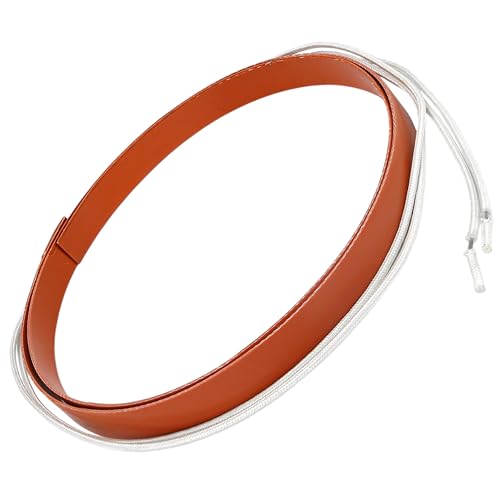
This silicone heater strip from BuleVina is a thin, flexible heat tape designed for automotive windshield and wiper heating. The product lists efficient heating performance with fast, solid heat transfer suitable for clearing ice and snow build-up on windshields and wipers. It includes a detachable 1m power cable for portability and easier installation. The listing notes that the heater is not self-adhesive, so a separate adhesive is required for mounting. That makes it adaptable for custom attachment methods but requires planning for secure adhesion and weatherproofing.
Lens Warmer Dew Heater Strip For Optics

The MOVE SHOOT MOVE lens warmer is a neoprene-based flexible dew heater strip sized for lenses and small telescopes. The features emphasize flexibility down to -25°C and neoprene insulation to reduce heat loss, improving power efficiency during long exposures. The heater offers fast warming and a cable-mounted temperature regulator with three power levels. This form factor is tailored for preventing dew, fog and condensation on optical surfaces in cold, humid conditions and is shaped for wrapping around barrels or lens housings.
24V Polyimide Film Heater Plates (6 Pack)

Call 888-896-7031 for Free Local HVAC Quotes – Compare and Save Today!
The Coliao set includes six polyimide (Kapton-style) film heater plates rated for DC 24V and 30W per element. Features highlight a maximum temperature near 170°C and rapid preheating with stable operating temperature after warm-up. The film construction uses polyimide insulation with embedded thermo-foil, offering high thermal efficiency, excellent heat resistance, and long service life. The listing notes that the heaters do not self-regulate; adding a 24V temperature controller is recommended for controlled applications. These elements suit compact heating tasks such as tooling, enclosure preheating, sensor warming, and 3D-printer bed supplemental heating.
Red Heat Resistant Silicone Rubber Strip

The LMS silicone rubber strip is a non-adhesive, heat-resistant sheet useful as an accessory with flexible heaters. The product lists excellent insulation properties, high temperature resistance, UV and ozone resistance, and is available in thin widths and thicknesses that are easy to cut. Use cases include gaskets, seals, protective pads, or thermal interface layers between heater strips and surfaces. Since it has no adhesive, it can be used where removable or repositionable insulation is desired, or when bonding adhesives and sealants will be applied separately for a durable installation.
PATIKIL Flexible 22/2 PVC Covered Copper Wire
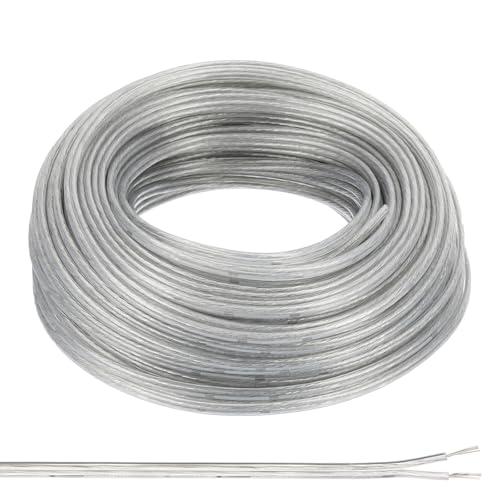
Reliable wiring is critical for flexible strip heater installations. The PATIKIL 22/2 PVC-covered copper wire provides UL-style 22AWG conductors, rated to 300V, and temperature range -20°C to 80°C. The listing emphasizes good conductivity, flexibility, and flame-retardant PVC insulation, making it suited for low-voltage heater connections like 12V or 24V strips and controllers. Its clarity and tinned conductors simplify visual routing and soldering or terminal connections for custom heater assemblies or retrofit installs.
Buying Guide For Flexible Strip Heaters
This buying guide highlights the key factors to consider when selecting a flexible strip heater and related materials. Use these perspectives to compare technical match, installation needs, and long-term performance.
Call 888-896-7031 for Free Local HVAC Quotes – Compare and Save Today!
1. Heater Type And Application Match
- Silicone Rubber Heaters: Durable, weather-resistant, and mechanically robust; good for outdoor de-icing, automotive, and environments with vibration.
- Polyimide (Film) Heaters: Ultra-thin, conformal, and thermally efficient for compact electronics, instrument warming, and precision temperature applications.
- Neoprene/Strap Dew Heaters: Flexible wrap-around heating for optics and telescopes with regulated low-power output to prevent condensation.
2. Voltage, Power, And Control
- Match Supply Voltage: Confirm heater rated voltage (12V, 24V etc.) matches available power or inverter.
- Power Density: Higher W/in² means faster heating but requires proper mounting and thermal limits.
- Temperature Control: Many film heaters do not self-regulate; add a thermostat, PWM controller, or dedicated temperature controller to avoid overheating and protect substrates.
3. Mounting, Adhesion, And Weatherproofing
- Adhesive Requirements: Some heaters are non-adhesive—plan for suitable high-temp adhesives or mechanical clamps.
- Sealant And Protection: For outdoor or automotive use, use silicone sealants or weatherproof tapes to protect connections and edges from moisture.
- Thermal Interface: Use silicone sheets or thermal pads for even heat transfer and surface protection when needed.
4. Materials, Durability, And Environmental Limits
- Thermal Limits: Verify maximum operating temperature for the heater and any adjacent materials (e.g., plastics, adhesives).
- Chemical And UV Resistance: For outdoor use consider UV and ozone resistance for longevity.
- Flex Life: If the strip will flex frequently, choose materials (silicone or neoprene) designed for repeated bending.
5. Electrical Safety And Wiring
- Wire Gauge: Select appropriate wire gauge for current draw; use flexible tinned copper for ease of soldering and durability.
- Insulation Rating: Ensure wire insulation matches the operating environment and complies with local codes for fixed installations.
- Connectors And Fusing: Use proper connectors, inline fuses or circuit protection, and strain reliefs for longevity and safety.
6. Thermal Efficiency And Insulation
- Insulation Layering: A thin silicone or neoprene layer beneath the heater can reduce heat loss and improve efficiency.
- Reflective Backing: For some installations, reflective or insulating backing can redirect heat toward the target surface.
7. Form Factor And Customization
- Cuttable Elements: Some LED or heater strips are cuttable at marked points—confirm cut locations and whether cutting affects performance.
- Shape And Attachment: Consider pre-shaped straps for optics vs. flat tapes for planar surfaces. Non-adhesive options allow repositioning and replacement.
8. Comparison Perspectives
- Outdoor De-Icing vs. Precision Instrument Heating: Silicone heater strips offer ruggedness for outdoor use; polyimide films provide thin, uniform heating for electronics and sensors.
- Power Efficiency vs. Control: Neoprene-wrapped dew heaters often use lower power with temperature regulation for steady-state performance; film heaters deliver higher localized power and often need external controllers.
- Installation Complexity: Self-adhesive or pre-mounted heaters reduce installation steps; non-adhesive components require adhesives or mechanical mounting but can offer better conformability or serviceability.
9. Accessories And Complementary Parts
- Adhesives And Sealants: Use high-temperature silicone adhesives for permanent mounts; removable tapes for temporary setups.
- Wiring And Connectors: Flexible hook-up wire like 22AWG tinned copper simplifies routing and termination for low-voltage heaters.
- Thermal Controllers: Integrate thermostats or PID controllers for consistent setpoint control and protection.
Use this guide to match heater type, power, mounting method, and control strategy to your intended application. Compare specifications such as voltage, maximum temperature, and mechanical flexibility to select the best flexible strip heater system for your project.
Tips for Getting the Best HVAC Prices
- Prioritize Quality Over Cost
The most critical factor in any HVAC project is the quality of the installation. Don’t compromise on contractor expertise just to save money. - Check for Rebates
Always research current rebates and incentives — they can significantly reduce your overall cost. - Compare Multiple Quotes
Request at least three estimates before making your choice. You can click here to get three free quotes from local professionals. These quotes include available rebates and tax credits and automatically exclude unqualified contractors. - Negotiate Smartly
Once you've chosen a contractor, use the proven strategies from our guide — How Homeowners Can Negotiate with HVAC Dealers — to get the best possible final price.