
Flow-through heaters keep water moving and warm for applications from hot tubs to outdoor pipes. Below is a concise comparison of top options focused on flow-through heating elements and complementary pipe heat-trace solutions suitable for residential and light-commercial needs.
| Product | Type | Key Feature |
|---|---|---|
| Replacement Flo-Thru Hot Tub Spa Heater Element | Flow-Through Spa Element | Universal Incoloy 800, multiple wattage options |
| HEATIT 24ft Heating Cable | Self-Regulating Pipe Heat Cable | ETL Certified, works to -40°F |
| MAXKOSKO 24 Ft. Heating Cable | Self-Regulating Pipe Heat Tape | 5W/ft rapid warming, auto thermostat |
| Heat Storm HS-1500-ILODG Cabinet Heater | Indoor Cabinet / Room Heater | Patented heat exchanger with HMS tech |
| Heat Storm HS-1500-PHX-WIFI Infrared Heater | Wall-Mounted Infrared Heater | Wi‑Fi control and space-saving mount |
Content Navigation
Replacement Flo-Thru Hot Tub Spa Heater Element

This flow-through spa heater element is designed as a direct replacement for many hot tub and spa systems. It uses Incoloy 800 construction for corrosion resistance in chlorinated and brominated water. Multiple wattage choices at 240V and 120V allow matching to your spa’s electrical configuration and desired heat-up performance.
- Universal fit design intended for many spa models
- Incoloy 800 element for improved longevity in spa environments
- Available wattage options to fit system capacity
This product addresses the core requirement of a flow-through heating element: water passes around the element while the heater heats the passing water directly. Verify compatibility with your spa’s controller and plumbing flow rate before purchasing.
HEATIT 24ft Heating Cable For Pipes

Though not a flow-through heater in the spa sense, this self-regulating pipe heating cable protects flowing water in pipes against freezing. It’s ETL certified end-to-end and rated to maintain flow at temperatures down to -40°F. The design adjusts heat output with ambient temperature to prevent overheating.
Call 888-896-7031 for Free Local HVAC Quotes – Compare and Save Today!
- ETL certified for complete cable safety
- Compatible with metal and plastic pipes (copper, PVC, etc.)
- Energy-saving self-regulation reduces power when not needed
Ideal for outdoor supply lines and vulnerable plumbing runs, this option focuses on keeping water flowing rather than actively raising bulk water temperature like a spa element.
MAXKOSKO 24 Ft. 120V Heating Cable

This self-regulating heat tape provides a slightly higher output (listed as 5W/ft) for rapid warming of pipe surfaces and is designed to maintain water flow in extreme cold. It includes a built-in thermostat that turns the cable on around 38°F to conserve energy.
- Heat-trace cable suitable for metal and plastic pipes
- Self-regulating technology prevents overheating and burning
- Multiple length options and a 3 ft power cord for flexible placement
Use this where faster heat-up and higher watt density are required, such as exposed outdoor lines or long horizontal runs where insulation is limited.
Heat Storm HS-1500-ILODG Cabinet Heater
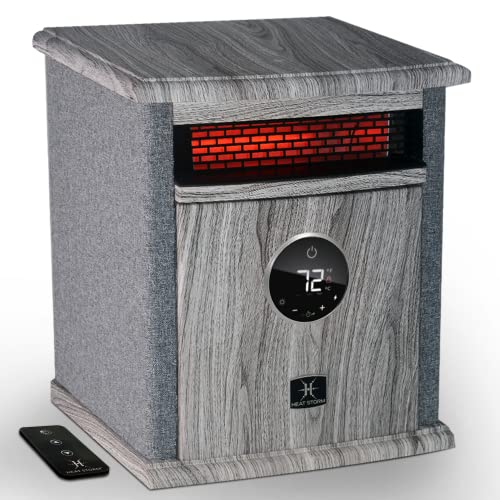
This compact cabinet heater uses a patented heat exchanger (HMS technology) to produce a gentle, non-drying heat and includes an LED thermostat display and remote. While this is a room heater rather than a direct flow-through water heater, it’s relevant for spaces where you want to maintain ambient temperature to help protect plumbing and equipment.
Call 888-896-7031 for Free Local HVAC Quotes – Compare and Save Today!
- HMS heat exchanger preserves humidity and oxygen levels
- Energy-efficient mode cuts wattage in half for sustained operation
- Small footprint and optional casters for mobility
Consider this option for indoor mechanical rooms, garages, or basements where maintaining air temperature reduces the risk of frozen piping and supports system performance.
Heat Storm HS-1500-PHX-WIFI Infrared Heater

This wall-mounted infrared heater offers Wi‑Fi control, digital thermostat, and a space-saving design. Infrared heat warms objects and people directly, which can be useful in workspaces or near plumbing manifolds where direct radiant warmth helps keep components above freezing.
- Wi‑Fi enabled control for remote temperature scheduling
- Tip-over safety and touch-screen digital thermostat
- Wall mount saves floor space in tight utility areas
While not a flow-through water heater, infrared heating is a complementary strategy for protecting flowing water systems by maintaining local ambient temperature where pipes and valves are located.
Buying Guide: Choosing The Right Flow-Through Or Pipe Heating Solution
Selecting the right product depends on application: direct water heating (spa/heater elements) versus pipe freeze protection or ambient heating to support plumbing. Below are key factors to compare.
1. Application And Heat Delivery
- Direct Flow-Through Elements: Designed for hot tubs and inline water systems where water flows directly across the heating element to raise water temperature quickly.
- Pipe Heat Trace Cables: Wrap-on or straight-traced cables that maintain water flow by preventing freezing; they don’t rapidly raise bulk water temperature but keep pipes above freezing point.
- Ambient And Infrared Heaters: Useful when protecting pipe runs, valves, or equipment located in unheated spaces; they warm the surroundings rather than the water itself.
2. Power, Voltage, And Compatibility
- Match element wattage and voltage to your system: spa elements come in 120V or 240V variants and different kW ratings. Incorrect wattage or voltage can damage equipment.
- Pipe cables are commonly 120V; confirm plug type and cord length for installation reach.
- Check circuit capacity and breaker sizing for continuous-load devices such as heat cable runs.
3. Environmental And Material Considerations
- Corrosion Resistance: For spa elements, choose Incoloy or nickel alloys designed for chlorinated water.
- Pipe Material Compatibility: Ensure heat tape is approved for PVC if using on plastic pipes; manufacturer instructions will state compatibility.
- Outdoor Ratings: Look for ETL/UL/CSA listings and weather-resistant jackets for outdoor runs.
4. Safety Features And Certifications
- Choose ETL or UL listed products for electrical safety and verified performance.
- Self-regulating cables reduce overheat risk; built-in thermostats help energy efficiency.
- For room or infrared heaters, verify tip-over switches, overheat protection, and thermostat accuracy.
5. Installation And Maintenance
- Flow-through spa elements often require access to the heater housing and correct gasketing; professional installation may be recommended.
- Pipe heating cable installation varies: straight-trace, spiral, or overlapped methods change heat density—follow manufacturer guidance for spacing and insulation layering.
- Regular inspection of cable insulation, connections, and heater elements extends service life. Replace compromised components promptly.
6. Energy Use And Control Options
- Self-regulating cables only heat when needed and typically reduce energy consumption versus constant-output tapes.
- Programmable thermostats, smart Wi‑Fi control, or timers help limit runtime for room heaters and maintain consistent temperatures efficiently.
- For spa systems, element wattage affects how fast water heats; balance desired heat-up time against available electrical capacity.
7. Comparison Perspectives
- Performance: Spa elements provide high immediate water heating; heat-trace cables prevent freeze rather than heat bulk water.
- Durability: Corrosion-resistant alloys and ETL-certified cables offer longer service life in harsh conditions.
- Cost To Operate: Heat-trace with self-regulation and smart thermostats tend to be more energy-efficient over winter than running room heaters continuously.
- Ease Of Installation: Plug-in heat cables are typically easier to install than swapping a spa heating element, which may require system access and electrical disconnection.
When choosing a solution, prioritize the exact function you need—active flow-through water heating for hot tubs, or protective pipe heat-tracing and ambient warming for freeze prevention—and verify electrical compatibility and certification for safe, reliable operation.
Tips for Getting the Best HVAC Prices
- Prioritize Quality Over Cost
The most critical factor in any HVAC project is the quality of the installation. Don’t compromise on contractor expertise just to save money. - Check for Rebates
Always research current rebates and incentives — they can significantly reduce your overall cost. - Compare Multiple Quotes
Request at least three estimates before making your choice. You can click here to get three free quotes from local professionals. These quotes include available rebates and tax credits and automatically exclude unqualified contractors. - Negotiate Smartly
Once you've chosen a contractor, use the proven strategies from our guide — How Homeowners Can Negotiate with HVAC Dealers — to get the best possible final price.