
Finding the right 120V electric garage heater depends on garage size, mounting preference, and safety features. Below is a quick comparison of five relevant Amazon options selected for portability, wall/ceiling installation, or infrared performance. Each product section includes key features and suitability notes to help you evaluate options for a small-to-medium garage or workshop.
| Product | Type | Power/Voltage | Best For |
|---|---|---|---|
| NewAir NGH160GA00 | Portable Ceramic | 120V, 1500W (ceramic) | Portable spot heating, small garages |
| Dr Infrared DR-238 | Carbon Infrared | 120V, 900–1500W | Indoor/outdoor infrared, quick radiant warmth |
| Dura Heat EUH1465 | Forced-Air PTC | 120V, 1500W | Durable forced-air heating for workshops |
| Cadet Com-Pak CSC151TW | Wall-Mounted Electric | 120V, 1500W | Permanent wall heat with thermostat |
| VEVOR 10000W | Hardwired Fan-Forced | Primarily 240V (included for comparison) | Large-area shop heating (requires 240V) |
Content Navigation
- NewAir NGH160GA00 120V Electric Portable Garage Heater
- Dr Infrared Heater DR-238 Carbon Infrared 120V
- Dura Heat EUH1465 Electric Forced Air Heater
- Cadet Com-Pak CSC151TW Wall Heater 120V
- VEVOR 10000W Electric Garage Heater (Included For Comparison)
- Buying Guide: How To Choose A 120V Electric Garage Heater
- 1. Determine Power Needs and Coverage
- 2. Heating Method: Forced-Air vs Infrared vs Convection
- 3. Portability vs Permanent Installation
- 4. Electrical Requirements and Safety
- 5. Controls and Convenience
- 6. Build Quality and Location Considerations
- 7. Noise, Airflow, And Ventilation
- 8. Coverage Comparison: Realistic Expectations
- 9. Installation And Maintenance
- 10. Comparison Checklist Before Buying
NewAir NGH160GA00 120V Electric Portable Garage Heater

This portable ceramic heater runs on 120V and is rated to heat up to about 160 square feet. It includes adjustable temperature control, two heat modes, a tilting head, and a carry handle for mobility. Safety features include a cool-to-the-touch design, internal thermostat, and automatic shut-off to reduce overheating risk. A ceramic heating plate paired with a 200 CFM fan provides rapid warm air circulation.
Best Use: Small garages, garages without hardwiring, and temporary spot heating. Pros include portability and safety features; consider room layout and insulation when estimating coverage.
Dr Infrared Heater DR-238 Carbon Infrared 120V
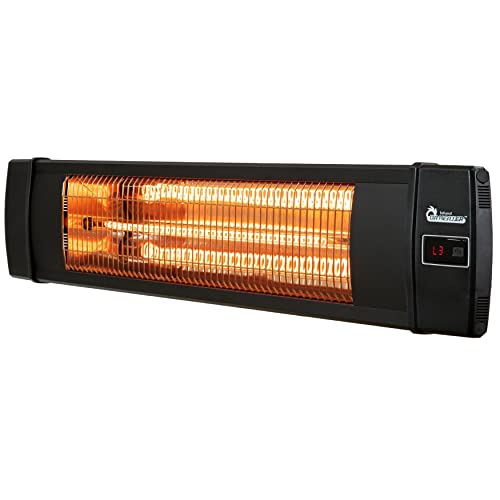
The DR-238 uses carbon infrared elements to deliver clean, instant radiant heat without odors. It operates on standard 120V with selectable power settings: 900W, 1200W, and 1500W. The unit is IP55 rated for indoor and outdoor use, making it suitable for covered patios or semi-open garages. It includes a remote for convenience and provides direct radiant warmth rather than relying solely on air circulation.
Call 888-896-7031 for Free Local HVAC Quotes – Compare and Save Today!
Best Use: Semi-open garages, covered carports, and situations where radiant heat is preferred. Infrared works well for targeted warmth and warms people and objects directly instead of heating only the air.
Dura Heat EUH1465 Electric Forced Air Heater
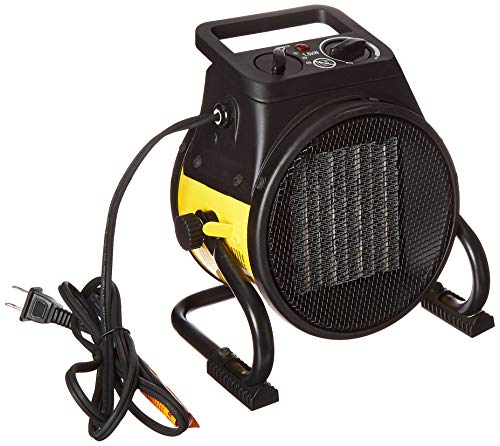
The Dura Heat EUH1465 is a 1500W PTC ceramic forced-air heater built with rugged steel construction. It provides quick warm air through a pivoting base and offers heat and fan-only settings for year-round use. The design is intended for garages, workshops, and commercial small spaces, offering a durable option when you need a reliable portable forced-air unit.
Best Use: Workshops and garages that need a sturdy, portable forced-air heater. The steel body increases durability in rough environments; evaluate ventilation and clearances before use.
Cadet Com-Pak CSC151TW Wall Heater 120V

The Cadet Com-Pak is a 120V wall-mounted electric heater with a built-in thermostat and 1500W output (approx. 5120 BTU). Designed as a permanent heating solution, it fits into a wall cavity and provides steady convection heat. Its compact white housing is intended for unobtrusive installation and ongoing temperature control for a finished garage or utility room.
Call 888-896-7031 for Free Local HVAC Quotes – Compare and Save Today!
Best Use: Garages where permanent, wall-mounted heating is preferred and wiring for 120V is available. Requires proper installation location and attention to clearance and local electrical codes.
VEVOR 10000W Electric Garage Heater (Included For Comparison)

This hardwired fan-forced heater is a high-power 10000W unit primarily designed for 240V installations. It offers wide coverage, precise digital control, ETL certification, and overheat protection. Although not a 120V unit, it is included to contrast small 120V options with larger shop heaters that require 240V circuits and professional installation.
Best Use: Large workshops and garages that have 240V capacity and need high output. Not suitable if you require a 120V plug-and-play solution; consider electrical upgrades before selecting a 240V unit.
Buying Guide: How To Choose A 120V Electric Garage Heater
Choosing the right 120V garage heater requires evaluating space, wiring, heating method, and safety. Below are key considerations and comparison perspectives to guide a purchase decision.
1. Determine Power Needs and Coverage
Estimate your garage’s square footage and insulation level. Typical 120V heaters deliver around 900–1500W (roughly 3000–5120 BTU). These are best for small garages, localized spot heating, or supplemental warmth. For whole-garage heating of larger, poorly insulated spaces, a 240V unit may be necessary.
2. Heating Method: Forced-Air vs Infrared vs Convection
- Forced-Air (Fan): Heats air quickly and distributes warm air. Good for circulation and evenly warming a small area. Can be noisy.
- Infrared (Radiant): Heats objects and people directly. Efficient in semi-open areas and for spot heating; less effective at warming ambient air.
- Convection/Wall-Mounted: Provides steady background heat. Best for permanent installations and finished garages.
3. Portability vs Permanent Installation
Portable plug-in units (1500W) are convenient for renters or temporary use. Wall or ceiling-mounted heaters offer permanent solutions but may require professional wiring and more planning.
4. Electrical Requirements and Safety
Confirm your garage’s available circuits. A standard 120V heater typically requires a dedicated 15A or 20A circuit depending on device wattage and local codes. Check for built-in safety features like overheat protection, cool-to-touch housings, tip-over switches, and ETL/UL listings.
5. Controls and Convenience
Look for adjustable thermostats, multiple heat settings, timers, and remote controls for better temperature management. Digital displays and voltage indicators can simplify troubleshooting.
6. Build Quality and Location Considerations
Steel-bodied units or durable plastics resist workshop rigors. For damp or semi-outdoor garages, choose units rated for humid or outdoor-adjacent use (IP ratings). Maintain clearances from flammable materials and follow manufacturer installation instructions.
7. Noise, Airflow, And Ventilation
Forced-air units have fans that create noise; infrared units are typically quieter. Ensure proper ventilation if running heaters for extended periods and avoid blocking intake/exhaust openings.
8. Coverage Comparison: Realistic Expectations
- 120V, 900–1500W: Best for spot heating or small garages (up to ~150–300 sq ft) depending on insulation.
- Hardwired 240V units: Intended for large garages or workshops and provide far greater coverage.
9. Installation And Maintenance
Portable units require minimal setup; wall or hardwired units may require licensed electricians. Regularly inspect for dust buildup, test overheat protection features, and ensure cords and connections remain intact.
Tips for Getting the Best HVAC Prices
- Prioritize Quality Over Cost
The most critical factor in any HVAC project is the quality of the installation. Don’t compromise on contractor expertise just to save money. - Check for Rebates
Always research current rebates and incentives — they can significantly reduce your overall cost. - Compare Multiple Quotes
Request at least three estimates before making your choice. You can click here to get three free quotes from local professionals. These quotes include available rebates and tax credits and automatically exclude unqualified contractors. - Negotiate Smartly
Once you've chosen a contractor, use the proven strategies from our guide — How Homeowners Can Negotiate with HVAC Dealers — to get the best possible final price.
10. Comparison Checklist Before Buying
- Does it run on standard 120V or require 240V hardwiring?
- Is the heater intended for indoor, outdoor, or semi-outdoor use?
- What safety certifications and automatic protections are included?
- Are controls (thermostat, timer, remote) adequate for your needs?
- Is the physical form factor (portable, wall, ceiling) right for the garage layout?