
Choosing the right gas heater regulator and hose is essential for safe, efficient operation of outdoor heaters, grills, and patio fire pits. Below is a concise comparison of five well-reviewed regulator and hose kits selected for compatibility with common LP/Natural gas heaters, build quality, and certification where applicable.
| Product | Brand | Key Feature |
|---|---|---|
| GasOne 5 Feet Propane Regulator Fire Pit Grill Heater Replacement Propane Hose | Gas One | 80,000 BTU, 5 ft hose, QCC-1 (Type-1) |
| Gas One 2102 6 ft Low Pressure Propane Regulator and Hose Kit | Gas One | 59 in hose, ready-to-use kit, 5/8″ UNF outlet |
| GasSaf 6 Feet Low Pressure Propane Regulator with CSA Certified Hose | GasSaf | CSA certified, Max 95,000 BTU, QCC1 compatibility |
| Mr. Heater F276136 Propane Low Pressure Regulator | Mr. Heater | 3/8″ Female Pipe Thread x POL, Soft nose P.O.L. |
| TEENGSE 1/2″ Natural Gas And Liquefied Interchange Regulator | TEENGSE | Interchangeable NG/LPG, adjustable output, includes adapters |
Content Navigation
- GasOne 5 Feet Propane Regulator Fire Pit Hose
- Gas One 2102 6 Ft Low Pressure Regulator Kit
- GasSaf 6 Feet Low Pressure Propane Regulator With Hose
- Mr. Heater F276136 Propane Low Pressure Regulator
- TEENGSE 1/2″ Natural Gas And Liquefied Regulator
- Buying Guide — How To Choose The Right Gas Heater Regulator
- 1. Regulator Type And Pressure
- 2. Connection Compatibility
- 3. Hose Length And Flexibility
- 4. BTU Capacity And Flow Requirements
- 5. Certification And Safety
- 6. Appliance Compatibility And Conversion Needs
- 7. Installation And Maintenance
- 8. Environmental And Use Considerations
- 9. Matching To Fuel Source
- 10. Common Troubleshooting Tips
GasOne 5 Feet Propane Regulator Fire Pit Hose
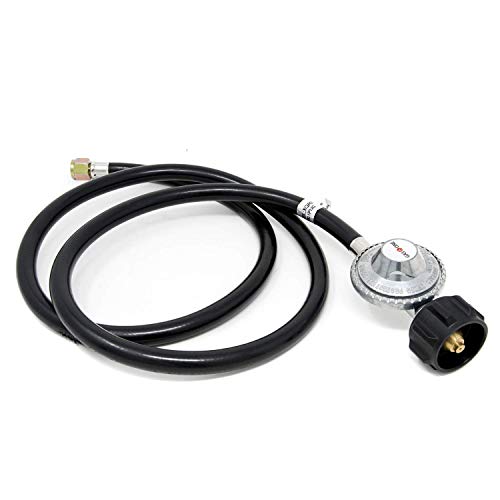
This kit includes a low-pressure propane regulator and a 5 ft fiber-reinforced hose rated up to 80,000 BTU. It uses the Type-1 (QCC-1) connection that fits standard propane cylinders and provides a 3/8-inch inside flare fitting with a 5/8-inch outside diameter. The construction uses brass fittings and reinforced rubber to support an airtight connection for grills, fire pits, and patio heaters.
Use cases: suitable for many outdoor appliances that require a low-pressure QCC-1 connection. The hose length is useful for flexible placement of tanks relative to appliances. The listing highlights durability and leak-free connections, which are key for heater installations.
Gas One 2102 6 Ft Low Pressure Regulator Kit
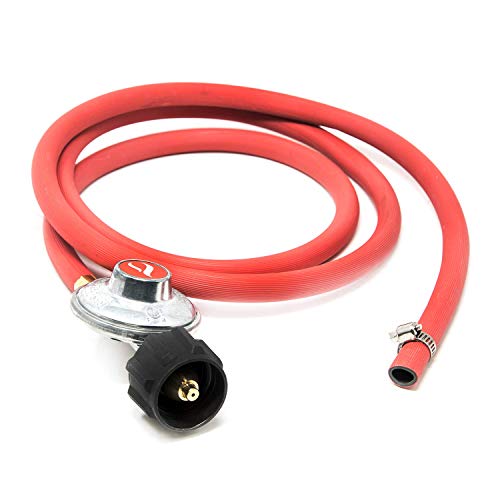
The Gas One 2102 provides a preassembled regulator and hose ready for immediate installation. With a hose length of approximately 59 inches, the kit’s outlet uses a 5/8″ UNF connection common on many LP appliances.
Call 888-896-7031 for Free Local HVAC Quotes – Compare and Save Today!
This kit emphasizes ease of installation and compatibility with low-pressure propane heaters and grills. The ready-to-use configuration reduces installation time and errors when matching fittings and hoses. For systems requiring a longer reach, the 6 ft hose is often adequate for connecting tanks placed adjacent to a patio heater or grill.
GasSaf 6 Feet Low Pressure Propane Regulator With Hose

GasSaf’s kit connects to QCC1/Type-1 LP tanks and is highlighted as CSA certified. The hose length is 6 feet and the regulator supports a maximum output reported up to 95,000 BTU. It lists cross-compatibility with multiple grill brands and many low-pressure outdoor appliances.
Certification: CSA certification indicates the hose and regulator meet certain safety and performance standards which can be important for installations where code compliance or third-party testing is preferred. The 3/8-inch flare fitting and reinforced hose aim to ensure a secure seal for outdoor heater use.
Mr. Heater F276136 Propane Low Pressure Regulator

Mr. Heater’s model offers a low-pressure regulator with 3/8″ female pipe thread by POL interface, and a soft-nose P.O.L. fitting. It is targeted for BBQ grills and low-pressure appliances including space heaters and outdoor heater models that accept POL connections.
Call 888-896-7031 for Free Local HVAC Quotes – Compare and Save Today!
Fit notes: POL and 3/8″ fittings are common in many heater systems. The regulator’s configuration is best matched to appliances that specify a POL inlet or a 3/8″ female pipe thread. The product emphasizes reliable connection types used in many low-pressure applications.
TEENGSE 1/2″ Natural Gas And Liquefied Regulator

The TEENGSE regulator is an interchangeable natural gas and propane (LPG) regulator with 1/2″ FPT inlet and outlet threads. It is adjustable and includes brass 1/2″ NPT conversion adapters and thread tape for adapting to multiple setups.
Application: This regulator is useful when converting appliances between natural gas and propane or when connecting to fixed piping with 1/2″ NPT threads. The product specifies outlet pressures appropriate for NG and LPG settings and provides the ability to switch the internal core for the intended gas type.
Buying Guide — How To Choose The Right Gas Heater Regulator
Selecting a gas heater regulator requires matching the regulator type, pressure rating, connection fittings, certification, and hose length to your heater and installation environment. Below are key considerations with multiple comparison perspectives.
1. Regulator Type And Pressure
- Low-Pressure Versus High-Pressure: Most patio heaters, fire pits, and grills use low-pressure regulators (typically ~10″ w.c. or 2.5 kPa). High-pressure regulators (PSI range) are for specialized appliances like torches and some smokers.
- Interchangeable Regulators: Models like the TEENGSE offer selectable settings for natural gas or LPG, useful when converting appliances or working with fixed piping. Verify the selectable outlet pressure matches appliance requirements.
2. Connection Compatibility
- Tank Valve Types: QCC-1/Type-1 (also called POL/OPD variants depending on region) is the common Valve/Regulator used for portable propane cylinders. Confirm whether your appliance expects QCC-1, POL, or a 3/8″ flare connection.
- Thread Sizes And Fittings: Check whether the regulator uses 3/8″ female flare, 5/8″ UNF, 1/2″ NPT, or POL fittings. Use included adapters or purchase appropriate adapters if the kit does not match your appliance.
3. Hose Length And Flexibility
- Placement Needs: Common hose lengths are 3 ft, 5 ft, and 6 ft. Choose a length that allows safe tank placement relative to the heater while minimizing kinks and stress points.
- Reinforced Hose For Durability: Fiber-reinforced or rubber-reinforced hoses resist wear from weather and movement. Longer hoses increase convenience but may require careful routing to avoid damage.
4. BTU Capacity And Flow Requirements
- Match BTU Demand: Ensure the regulator and hose support the combined BTU draw of your appliance(s). Products list maximum BTU ratings (e.g., 80,000 or 95,000 BTU); these are important when powering high-output heaters.
- Multiple Burners Or High Flow: If running multiple burners or high-flow appliances, choose a regulator and hose rated sufficiently for the total flow to avoid starved flames or regulator overheating.
5. Certification And Safety
- Third-Party Certification: CSA or similar certifications indicate testing to safety and performance standards. Certified hoses/regulators may be required by local codes or desirable for peace of mind.
- Leak-Resistant Fittings: Brass fittings and factory-crimped hoses provide improved leak resistance. Always use approved sealants (thread tape for NPT) and perform leak checks after installation.
6. Appliance Compatibility And Conversion Needs
- Heater-Specific Requirements: Consult the heater’s manual for required regulator type and outlet pressure. Some heaters require proprietary regulators or specific fittings.
- Conversion From Natural Gas To Propane: If converting, use regulators and conversion kits designed for the appliance and follow manufacturer instructions. Adjustable regulators can facilitate conversion but must be set correctly.
7. Installation And Maintenance
- Tool-Free Versus Tooled Install: Some hoses provide tool-less tank attachments; others require wrench tightening. Ensure secure, properly torqued connections for safety.
- Routine Checks: Inspect hoses and fittings periodically for cracks, brittleness, or corrosion. Perform a soap-and-water leak test after connecting or if you suspect a leak.
8. Environmental And Use Considerations
- Outdoor Exposure: UV, temperature changes, and moisture affect hose life. Choose hoses with UV and weather resistance for outdoor heaters.
- Cold-Weather Performance: Some regulators and hose materials become less flexible in cold conditions. Check manufacturer specs for operating temperature ranges when used in cold climates.
9. Matching To Fuel Source
- Portable Propane Tanks: For portable tanks, a QCC-1/Type-1 connection is standard. Verify the regulator is specifically designed for cylinder use and has proper OPD/valve compatibility.
- House Gas Lines: For natural gas hook-ups, regulators with NPT pipe threads (e.g., 1/2″ FPT) and conversion adapters are commonly used. Confirm code compliance for in-home or backyard fixed lines.
10. Common Troubleshooting Tips
- Weak Flame Or Yellow Flame: Could indicate low gas pressure, incorrect regulator type, or blocked orifices. Check regulator compatibility and inspect burner orifices.
- Hissing Or Audible Resonance: Regulators occasionally make resonant noises; some listings note normal regulator resonance. Persistent hissing may indicate a leak—perform a leak test immediately.
- Intermittent Flow: Check for kinks, obstructions, or frozen regulators. Replace damaged hoses and verify regulator setting.
Final selection guidance: prioritize compatibility with your heater’s fittings and pressure requirements, choose materials and certifications that match your installation environment, and ensure the BTU rating and hose length meet your needs. When in doubt, consult appliance documentation or a qualified technician for installation and gas conversions.
Tips for Getting the Best HVAC Prices
- Prioritize Quality Over Cost
The most critical factor in any HVAC project is the quality of the installation. Don’t compromise on contractor expertise just to save money. - Check for Rebates
Always research current rebates and incentives — they can significantly reduce your overall cost. - Compare Multiple Quotes
Request at least three estimates before making your choice. You can click here to get three free quotes from local professionals. These quotes include available rebates and tax credits and automatically exclude unqualified contractors. - Negotiate Smartly
Once you've chosen a contractor, use the proven strategies from our guide — How Homeowners Can Negotiate with HVAC Dealers — to get the best possible final price.