
Whether You’re Equipping A Garage, Shop, Or Job Site, Choosing The Right Gas Heater Means Balancing Power, Safety, And Venting Requirements. Below Is A Quick Comparison Table Of Recommended Units To Help Technicians And Workshop Owners Match Needs With Features.
| Product | Type | BTU | Coverage / Notes |
|---|---|---|---|
| Mr. Heater Big Maxx MHU80NG | Unit Heater (Natural Gas) | 80,000 | Up To 2,000 Sq. Ft., Hardwired, Venting Options |
| Mr. Heater Portable Buddy MH9BX | Portable Radiant Propane Heater | 4,000–9,000 | Up To 225 Sq. Ft., Tip-Over Safety, Piezo Igniter |
| Dyna-Glo IR30NMDG-1 | Infrared Wall Heater (Natural Gas) | 30,000 | Up To 1,000 Sq. Ft., Infrared Radiation |
| ProCom MN300TPA-B | Ventless Infrared Space Heater (Natural Gas) | 30,000 | Thermostat Control, Wall Or Floor Mount |
| Mr. Heater Forced Air Propane F271390 | Forced Air Propane Heater | 125,000 | High Output For Large Shops, 10 Ft Hose & Regulator |
Content Navigation
- Mr. Heater F260560 Big Maxx MHU80NG Natural Gas Unit Heater
- Mr. Heater Portable Buddy Heater MH9BX 4,000-9,000 BTU
- Dyna-Glo IR30NMDG-1 30,000 BTU Natural Gas Infrared Wall Heater
- ProCom MN300TPA-B Ventless Natural Gas Infrared Space Heater With Thermostat
- Mr. Heater 125,000 BTU Forced Air Propane Heater F271390
- Buying Guide For Technicians Selecting A Gas Heater
Mr. Heater F260560 Big Maxx MHU80NG Natural Gas Unit Heater
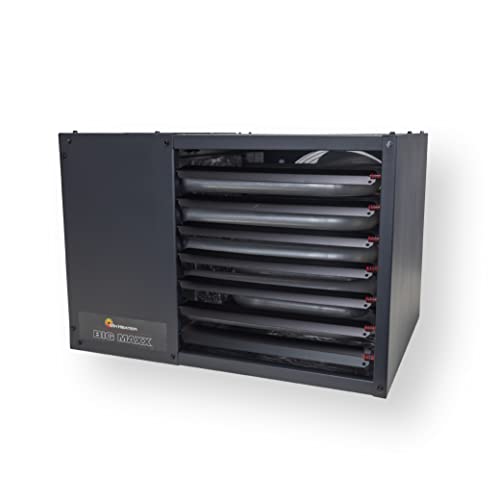
This hardwired natural gas unit heater Is Designed For Garages, Workshops, And Small Commercial Spaces. It Produces 80,000 BTU And Claims Coverage Up To 2,000 Sq. Ft. The Package Includes Two Angle Brackets And A Liquid Propane Conversion Kit; Thermostat, Hose, And Regulator Are Not Included.
Key Technical Points: Heater Dimensions Are 29.33” L x 15.50” W x 26.37” H, The Unit Draws Approximately 2.3 Amps At 120 V, And It Requires A Minimum 8 Ft. Clearance From Floor To Base. Designed For Category 1 Vertical And Category 3 Horizontal Venting, Which Is Important For Installation Planning.
Fit For Technicians: The Big Maxx Is Suitable Where A Permanent, High-Capacity Natural Gas Source Exists. Consider Venting Type, Mounting Location, And Integration With A Thermostat Or Zone Controls During Installation.
Mr. Heater Portable Buddy Heater MH9BX 4,000-9,000 BTU
Call 888-896-7031 for Free Local HVAC Quotes – Compare and Save Today!
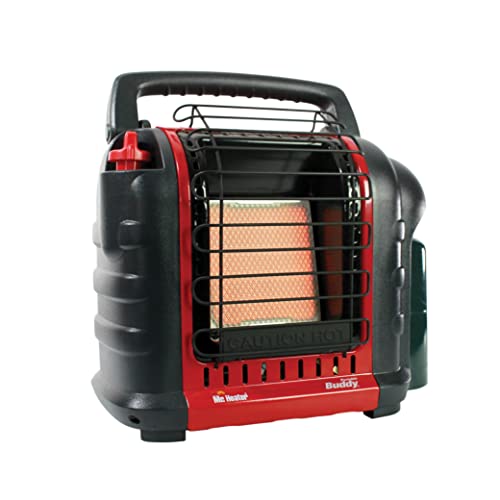
The Portable Buddy Is A Compact Propane Radiant Heater Offering Variable Output From 4,000 To 9,000 BTU, Intended For Small Spaces Up To 225 Sq. Ft. It Uses Infrared-Style Heating To Warm Objects And People Directly, Rather Than Relying Solely On Air Temperature.
Safety And Usability Features Include An Improved Tip-Over Safety Switch That Activates Audible Feedback If The Unit Is Shaken Or Tipped. Ignition Is Via A Durable Piezo Igniter, So No Matches Or Batteries Are Required. This Makes The Unit Practical For Portable Use Around Job Sites, Camps, Or Temporary Workshop Areas With Propane Supply.
Technician Notes: Portable Radiant Heaters Are Useful For Spot Heating Or As A Supplemental Source; They Do Not Replace Proper Ventilation Or Permanent Heating Systems. Confirm Propane Cylinder Compatibility And Local Regulations For Indoor Propane Use.
Dyna-Glo IR30NMDG-1 30,000 BTU Natural Gas Infrared Wall Heater

The Dyna-Glo IR30NMDG-1 Uses Infrared Technology To Radiate Heat Directly To Objects And People, Emulating Sun-Like Warmth. Rated At 30,000 BTU, It Is Intended To Heat Up To 1,000 Sq. Ft. The Unit Is Designed For Natural Gas And Does Not Permit Fuel Conversion.
Installation And Application: This Model Is Marketed As A Wall Heater, Often Useful For Workshops Or Garages Where Focused, Even Heat Is Needed Without Moving Air. Infrared Units Can Be Efficient For Environments With High Ceilings Or Where Heating People And Equipment Faster Than Air Works Better.
Call 888-896-7031 for Free Local HVAC Quotes – Compare and Save Today!
Technician Considerations Include Ensuring Proper Venting/clearances And Verifying Natural Gas Supply. Since Conversion Is Not Allowed, Confirm Fuel Type Prior To Purchase.
ProCom MN300TPA-B Ventless Natural Gas Infrared Space Heater With Thermostat

The ProCom MN300TPA-B Is A Ventless Infrared Space Heater That Produces Up To 30,000 BTU For Areas Up To 1,400 Sq. Ft. This Version Includes Thermostat Control And Can Be Wall Mounted Or Placed On The Floor Using Included Base Feet.
Operational Advantages: The Unit Offers High/Medium/Low Thermostat Control For More Precise Temperature Management Compared With Non-Thermostat Units. Its Slim Profile Allows Flexible Placement In Residential Or Small Workshop Settings.
Safety And Code Notes: Ventless Heaters Rely On Indoor Combustion And Include Safety Devices Such As Oxygen Depletion Sensors On Some Models. Check Local Codes And Indoor Air Quality Requirements Before Installing Ventless Units In Work Areas.
Mr. Heater 125,000 BTU Forced Air Propane Heater F271390

The Forced Air Propane Heater Delivers 125,000 BTU And Is Intended For Large, Well-Ventilated Spaces Like Big Workshops, Construction Sites, Or Warehouses. It Features Quiet Burner Technology That Reduces Noise Levels Compared With Typical Propane Forced-Air Units.
Included Items And Safety Features: The Unit Comes With A 10 Ft Hose And Regulator And Incorporates A High-Temperature Limit Switch For Overheat Protection. Forced-air Units Provide Rapid, High-Capacity Heating But Require Careful Ventilation And Fuel Management.
Installation And Operation Tips: Verify Propane Supply Capacity, Hose Routing, And Ventilation Needs. Forced-air Heaters Are Effective For Quickly Raising Ambient Air Temperatures, But Consider Noise, Drafting, And Placement Relative To Work Areas And Combustible Materials.
Buying Guide For Technicians Selecting A Gas Heater
Choosing A Heater For A Workshop Or Job Site Requires Evaluating Power, Fuel Type, Installation, Safety, And Operational Needs. Below Are Key Considerations To Compare When Selecting A Gas Heater.
Fuel Type And Availability
- Natural Gas Vs Propane: Natural Gas Units Require Piped Gas Infrastructure And Often Offer continuous operation. Propane Is Portable With Tanks But Needs Cylinder management and safe indoor use considerations.
- Conversion Options: Confirm Whether The Unit Permits Conversion Between Fuels Or Ships With A Conversion Kit.
Heating Technology
- Infrared (Radiant): Heats Objects And People Directly; Effective For Spot Heating, High Ceilings, And Drafty Spaces.
- Forced Air: Moves Heated Air To Raise Ambient Temperatures Quickly; Best For Large Open Areas But Requires More Ventilation.
- Blue Flame / Ventless: Provides Even Room Heating Without Ductwork; Check Indoor Air Quality And Code Requirements.
BTU Output And Coverage
- Match The Unit’s BTU Rating To The Volume Of The Space. Consider Ceiling Height, Insulation, And Heat Loss From Doors Or Drafts.
- Manufacturers Provide Coverage Estimates—use These As Starting Points And Factor In Workspace Conditions.
Installation And Venting
- Venting Category: Confirm Category 1, 3, Or Specific Venting Requirements. Some Units Are Ventless And Require No Flue But May Be Restricted By Local Codes.
- Mounting And Clearances: Verify Minimum Clearances From Floor, Ceiling, And Combustible Materials. Permanent Units May Need Wall Or Ceiling Brackets.
Controls And Integration
- Thermostat Control Or Variable Settings Improve Comfort And Efficiency.
- Consider Compatibility With External Thermostats, Zone Controls, Or Remote Monitoring For Larger Shops.
Safety Features
- Look For Tip-Over Switches, Oxygen Depletion Sensors (ODS), High-Temperature Limit Switches, And Reliable Ignition Systems.
- For Indoor Propane Use, Ensure Proper Ventilation And Compliance With Local Regulations.
Portability Vs Permanence
- Portable Units Offer Flexibility For Temporary Jobsites Or Spot Heating. They May Be Less Powerful And Require Cylinder Changes.
- Permanent Installations Provide Higher Output And Integration But Require Professional Installation And Venting.
Noise, Air Movement, And Comfort
- Forced-Air Heaters Move Air And Make Noise; Infrared Is Quieter And More Comfortable For Direct Work Areas.
- Consider Worker Comfort, Dust Circulation, And The Impact On Sensitive Equipment.
Regulatory And Code Compliance
- Check Local Building Codes For Use Of Ventless Heaters, Indoor Propane, And Required Venting.
- Some Work Environments Require Specific Ventilation Or Emissions Controls; Confirm Before Purchase.
Maintenance And Serviceability
- Assess Filter Access, Burner Service, And Availability Of Replacement Parts. Choose Units With Clear Maintenance Guidelines And Accessible Components.
- Professional Installation May Be Required To Maintain Warranties And Ensure Safe Operation.
Comparison Perspectives
- Small Workshop / Spot Heating: Portable Radiant Models (e.g., Mr. Heater Portable Buddy) Provide Targeted Warmth And Mobility.
- Medium To Large Garages: Wall-Mounted Infrared Or Ventless Units (Dyna-Glo, ProCom) Deliver Even Heat Without Ductwork.
- Large Commercial Spaces: High-BTU Forced-Air Or Unit Heaters (Mr. Heater Big Maxx, 125k Forced Air) Offer Rapid Heating But Require Venting And Fuel Capacity.
- Water Heating Needs: If Hot Water Is Also Required For A Shop, Consider Dedicated Tankless Water Heaters Separately; They Serve Different Purposes.
When Selecting A Heater For Professional Use, Prioritize Safety, Fuel Logistics, Venting Requirements, And Maintenance. Match The Unit’s Output And Technology To The Workspace Conditions—insulation, ceiling height, and ventilation—For Consistent, Efficient Heating.
Tips for Getting the Best HVAC Prices
- Prioritize Quality Over Cost
The most critical factor in any HVAC project is the quality of the installation. Don’t compromise on contractor expertise just to save money. - Check for Rebates
Always research current rebates and incentives — they can significantly reduce your overall cost. - Compare Multiple Quotes
Request at least three estimates before making your choice. You can click here to get three free quotes from local professionals. These quotes include available rebates and tax credits and automatically exclude unqualified contractors. - Negotiate Smartly
Once you've chosen a contractor, use the proven strategies from our guide — How Homeowners Can Negotiate with HVAC Dealers — to get the best possible final price.