
Overview: This guide compares five top vented gas wall heaters suitable for American homes, covering direct vent natural gas and propane models, BTU output, safety features, and space coverage. The table below summarizes key specs to help you compare at a glance.
| Product | Fuel | BTU | Approx. Coverage |
|---|---|---|---|
| Rinnai EX22DTWN Direct Vent Wall Furnace | Natural Gas | 21,500 BTU | Medium To Large Rooms |
| Comfort Glow 25,000 BTU Direct Vent Natural Gas | Natural Gas | 25,000 BTU | Up To ~825 Sq. Ft. |
| Comfort Glow 17,000 BTU Direct Vent Natural Gas | Natural Gas | 17,000 BTU | Up To ~570 Sq. Ft. |
| Comfort Glow 17,000 BTU Direct Vent Liquid Propane | Liquid Propane (LP) | 17,000 BTU | Up To ~570 Sq. Ft. |
| EMPIRE DV215 NG 15,000 BTU Direct Vent Wall Furnace | Natural Gas | 15,000 BTU | Small To Medium Rooms |
Content Navigation
Rinnai EX22DTWN Direct Vent Wall Furnace

Key Features: Consistent And Efficient Heating, Cool-To-The-Touch Cabinet, Self-Diagnostic Electronics, Energy Efficient Modulating Technology.
This direct vent wall furnace from Rinnai is engineered for even temperature control with modulating gas flow to reduce cycling. The unit is designed for indoor use on natural gas and emphasizes energy-efficient operation by matching heat output to demand. Safety features include a cool-to-the-touch cabinet and onboard diagnostics for fault detection. The design targets living areas where consistent warmth and reduced fuel consumption are priorities. Wall-mount installation requires appropriate venting for combustion air and exhaust; follow local codes and manufacturer instructions for placement and clearances.
Comfort Glow 25,000 BTU Direct Vent Natural Gas

Key Features: 25,000 BTU Output, Sealed Burn System, Matchless Piezo Ignition, Built-In Pressure Regulator, Space-Saving Wall Mount.
Call 888-896-7031 for Free Local HVAC Quotes – Compare and Save Today!
The Comfort Glow 25,000 BTU model is a higher-output direct vent natural gas heater designed to warm larger spaces. The sealed burn chamber isolates combustion from indoor air, which improves indoor air quality and complies with vented installation requirements. Safety elements include a pressure regulator and a pilot shutdown if the pilot flame goes out. The unit mounts on walls to save floor space and lists dimensions useful for planning clearances. Consider this model when you need higher capacity heating for open-plan areas or larger rooms.
Comfort Glow 17,000 BTU Direct Vent Natural Gas

Key Features: 17,000 BTU Output, Heats Up To ~570 Sq. Ft., Sealed Burn System, Matchless Piezo Ignition, Compact Wall-Mount Design.
This Comfort Glow 17,000 BTU natural gas heater is positioned for medium-sized rooms. Like other direct vent units, it uses a sealed combustion system that routes exhaust outdoors and draws combustion air from outside, which reduces indoor contamination and heat loss. The Matchless Piezo ignition provides pilot lighting without batteries, and a built-in pressure regulator addresses supply variability. The slimmer dimensions make it a fit for tighter wall spaces while delivering reliable, vented heating performance.
Comfort Glow 17,000 BTU Direct Vent Propane

Key Features: 17,000 BTU For Propane, Heats Up To ~570 Sq. Ft., Sealed Burn System, Matchless Piezo Ignition, Wall-Mountable Compact Unit.
Call 888-896-7031 for Free Local HVAC Quotes – Compare and Save Today!
This Comfort Glow variant is configured for liquid propane (LP) rather than natural gas. It offers the same sealed combustion advantages—venting combustion products outside and drawing fresh combustion air from outdoors—while meeting propane fuel requirements. The coverage and dimensions match the natural gas 17,000 BTU model, making it suitable for homes or outbuildings that use propane. Confirm fuel availability and installer experience with propane systems when planning installation.
EMPIRE DV215 NG 15,000 BTU Direct Vent Wall Furnace
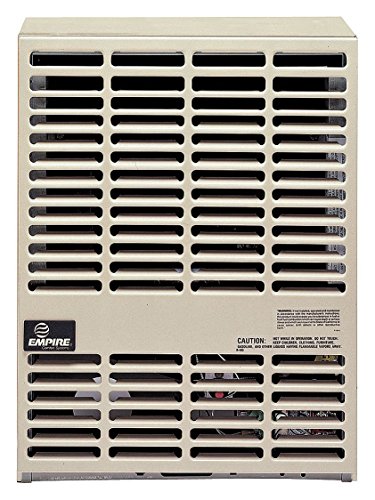
Key Features: 15,000 BTU Output, Compact Dimensions, Venting And Vent Cap Included, Direct Vent Natural Gas Design.
The EMPIRE DV215 NG is a compact direct vent wall furnace targeted at smaller rooms or supplemental heating needs. The package includes venting components, simplifying some logistic aspects of installation. Its modest BTU rating makes it appropriate for bedrooms, small living rooms, or tight spaces where full central heating is unnecessary. As with other vented models, proper vent routing and clearance adherence are required for safe operation.
Buying Guide
Venting Type And Safety: Direct vent units seal the combustion chamber and route exhaust outdoors, minimizing indoor emissions and drafts. Verify that the model is explicitly a direct vent or vented wall heater and follow local building and fuel codes for vent termination, clearances, and placement.
Fuel Type: Confirm whether your home uses natural gas or propane (LP). Some models are fuel-specific; others may require professional conversion kits which might be restricted. Choose a model rated for your fuel and ensure the installer is qualified for that fuel type.
BTU Output And Room Size: Match BTU output to room square footage. Higher BTUs heat larger areas but require appropriate venting and clearances. As a general approach, small rooms often need 10,000–15,000 BTU, medium rooms 15,000–20,000 BTU, and larger open areas 20,000+ BTU, but insulation, climate, and ceiling height also affect requirements.
Sealed Burn And Indoor Air Quality: Choose units with a sealed burn system to prevent combustion products from entering living spaces. This is critical for homes with tight construction and ensures that indoor air remains cleaner compared to vent-free appliances.
Ignition And Controls: Matchless Piezo ignition offers pilot-start convenience without batteries. Electronic ignition or modulating burners provide finer control and efficiency. Consider models with self-diagnostic electronics to simplify troubleshooting.
Efficiency And Modulation: Modulating burners that adjust flame and output provide steadier temperatures and can save fuel compared to single-stage burners. If long-term fuel efficiency is a concern, prioritize models that modulate or advertise improved energy matching.
Installation Requirements: Wall-mounted vented heaters require proper vent runs to the outdoors and specific clearances from combustibles. Some units include vent caps or venting kits; others require separate purchase. Factor in labor and parts when planning installation and use licensed HVAC or gas-fit professionals for safe setup.
Noise And Cabinet Temperature: Check whether the cabinet is described as cool-to-the-touch for safety in homes with children or pets. Also evaluate blower noise levels if the unit uses a fan to distribute heat; quieter models are better for bedrooms or living rooms.
Coverage And Zoning: Consider whether a single wall heater will meet your entire home heating needs or if multiple units and zoning are required. Vented wall heaters are often used as primary heat in small homes or supplemental heat in larger homes.
Maintenance And Serviceability: Regular maintenance includes inspection of venting, pilot assembly, and combustion components. Choose products from manufacturers with accessible parts and local service networks to reduce downtime and ensure longevity.
Comparison Perspectives: Compare models by capacity (BTU), fuel type, venting design, and safety features. For indoor air quality and sealed combustion priority, direct vent models from reputable brands are preferable. For higher coverage needs, choose higher BTU units but ensure venting capacity. For propane-fueled homes, select LP-specific models to avoid conversion issues.
Local Codes And Permits: Always check local building and gas codes for permits, venting location restrictions, and installation requirements. Some jurisdictions may require inspections or special vent termination clearances.
Tips for Getting the Best HVAC Prices
- Prioritize Quality Over Cost
The most critical factor in any HVAC project is the quality of the installation. Don’t compromise on contractor expertise just to save money. - Check for Rebates
Always research current rebates and incentives — they can significantly reduce your overall cost. - Compare Multiple Quotes
Request at least three estimates before making your choice. You can click here to get three free quotes from local professionals. These quotes include available rebates and tax credits and automatically exclude unqualified contractors. - Negotiate Smartly
Once you've chosen a contractor, use the proven strategies from our guide — How Homeowners Can Negotiate with HVAC Dealers — to get the best possible final price.