
Choosing the right heating solution for an 800 sq ft space depends on fuel source, installation, efficiency, and room layout. Below is a quick comparison of five heaters and heating-capable units that address whole-room heating, zone heating, and multi-function comfort.
| Product | Type | Rated Coverage | Key Feature |
|---|---|---|---|
| Comfort Glow Blue Flame Vent-Free 20,000 BTU | Vent-Free Gas Wall Heater | Up To 800 Sq. Ft. | 20,000 BTU, Natural Or LP |
| Heat Storm HS-1500-PHX-WIFI Infrared | Electric Infrared Wall Heater | Zone Heating / Wall Mounted | Wi‑Fi Control, Digital Thermostat |
| KOTEK Portable AC With Heat 15,000 BTU | Portable AC With Heat | Up To 800 Sq. Ft. | 4‑In‑1 (AC/Fan/Dehumidifier/Heat) |
| Dura Heat EUH1465 Forced Air Electric | Electric Forced Air Heater | Small To Medium Rooms | 1500W PTC Ceramic, Rugged Build |
| Uthfy 32″ Tower Ceramic Heater | Tower Ceramic Space Heater | Up To 400 Sq. Ft. (Broad Coverage) | 1500W, Oscillation, Timer |
Content Navigation
- Comfort Glow Blue Flame Vent-Free 20,000 BTU
- Heat Storm HS-1500-PHX-WIFI Infrared Heater
- KOTEK Portable Air Conditioner With Heat 15,000 BTU
- Dura Heat EUH1465 Electric Forced Air Heater
- Uthfy 32″ Tower Ceramic Heater With Oscillation
- Buying Guide: Choosing A Heater For An 800 Sq Ft Space
- 1. Heating Capacity And Sizing
- 2. Fuel Source: Gas vs Electric vs Heat Pump
- 3. Installation And Location
- 4. Efficiency And Operating Cost
- 5. Distribution: Radiant vs Forced Air vs Infrared
- 6. Safety Features And Code Considerations
- 7. Noise, Aesthetics, And Controls
- 8. Multi-Function Units And Climate Flexibility
- 9. Cost To Run And Maintenance
- 10. Comparison Perspectives
Comfort Glow Blue Flame Vent-Free 20,000 BTU

This vent-free gas wall heater is rated at 20,000 BTU and is listed for heating up to 800 sq. ft. It supports natural gas or LP hookup and uses electric ignition. The blue flame design provides direct radiant and convective heat while claiming high combustion efficiency.
Key features listed: 20,000 BTU output, vent-free installation, and dual fuel compatibility. As a wall-mounted gas unit, it provides continuous whole-room heat without ductwork and avoids the fan noise associated with forced-air units.
Consider compatibility with local codes: vent-free gas appliances are regulated differently by jurisdiction and may be restricted in some areas. Installation requires proper gas connections and adherence to clearance and ventilation guidelines.
Heat Storm HS-1500-PHX-WIFI Infrared Heater

Call 888-896-7031 for Free Local HVAC Quotes – Compare and Save Today!
The Heat Storm HS-1500-PHX-WIFI is a wall-mounted infrared heater designed for zone heating. It offers Wi‑Fi connectivity for remote temperature control, a touchscreen digital thermostat, and a space-saving profile that preserves floor area.
Listed features include Wi‑Fi enabled control, tip-over safety shutoff, touchscreen thermostat, and remote. Infrared panels heat objects and people directly, which can feel efficient in well-arranged living spaces or open-plan areas.
This unit targets supplemental heating or primary heating in modestly sized rooms depending on insulation and heat loss. Wall mounting reduces clutter and places the heater at an optimized location for radiative coverage.
KOTEK Portable Air Conditioner With Heat 15,000 BTU

The KOTEK unit is a 4-in-1 portable air conditioner offering cooling, heating, dehumidifying, and fan functions. Rated cooling at 15,000 BTU and heating at 11,500 BTU, it is marketed for spaces up to 800 sq. ft. and includes APP remote control and a window kit for exhaust.
Features listed: Maximum cooling & heating capacity, APP control, auto swing air distribution, and multiple operating modes. The portable design eliminates permanent installation, making it suitable where ducted or wall heating isn’t an option.
Call 888-896-7031 for Free Local HVAC Quotes – Compare and Save Today!
Heating performance of portable heat pumps varies with outdoor temperature. As a ductless, reversible unit, it can provide year-round climate control in moderate climates and is useful where electric backup heating is acceptable.
Dura Heat EUH1465 Electric Forced Air Heater
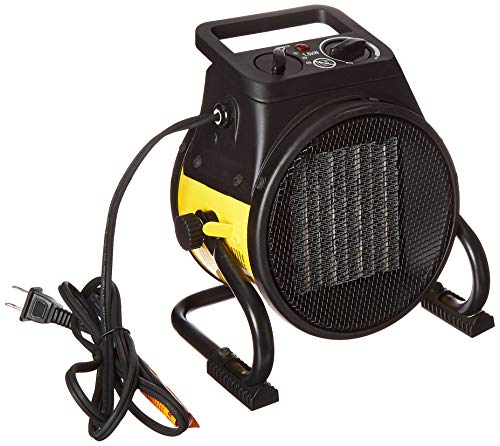
The Dura Heat EUH1465 is an electric forced air heater delivering 1500W (about 5,120 BTU) using PTC ceramic technology and a pivoting base for directional airflow. It is built with a steel body aimed at garages, workshops, and utility areas.
Listed features include powerful forced air, durable steel construction, and multiple modes (heat and fan-only). This type of heater is effective as supplemental heat or for quick warm-ups in confined zones rather than whole 800 sq. ft. coverage in cold climates.
Use cases: short-term spot heating, work areas, or to supplement a central system. Electric forced-air PTC heaters provide rapid warm air and have safety features such as overheat protection.
Uthfy 32″ Tower Ceramic Heater With Oscillation

The Uthfy tower heater is a 1500W PTC ceramic unit featuring 80° oscillation, a 24-hour timer, remote control, and a decorative flame effect. It is marketed for rooms up to 300–400 sq. ft. but its tall design and wide oscillation improve distribution within larger rooms.
Key features listed: fast broad heating, realistic flame effect, manual and remote control, and multi-mode operation. Tower ceramic heaters excel at supplemental zone heating and are portable for targeted comfort.
While not rated to heat an entire 800 sq. ft. area on its own in cold conditions, the Uthfy can be effective when used to boost perceived warmth in occupied zones or to extend thermostat setpoints from central heat.
Buying Guide: Choosing A Heater For An 800 Sq Ft Space
Selecting the best heating option for an 800 sq ft area requires evaluating several technical and practical factors. The right choice depends on whether you need whole-space heating, supplemental zone heat, energy source preferences, and installation constraints.
1. Heating Capacity And Sizing
Heating capacity is often expressed in BTU/hr or watts. A general ballpark for moderate climates: 25–30 BTU per sq ft is typical for whole-space heating, which points to about 20,000–24,000 BTU for 800 sq ft in average conditions.
Factors that increase required capacity: poor insulation, tall ceilings, many windows, or very cold climates. For milder climates or well-insulated spaces, a lower BTU rating may suffice. Use capacity ratings and manufacturer coverage as starting points, then adjust for local conditions.
2. Fuel Source: Gas vs Electric vs Heat Pump
Gas (Natural/LP): High BTU output and lower operating cost where gas is available. Vent-free gas heaters deliver strong whole-room heat but are subject to local code restrictions and require proper installation.
Electric (Resistance / PTC Ceramic): Easy to install and safe for many spaces. Electric resistance heating is simple but can cost more to operate per unit of heat compared to gas in many regions.
Heat Pump / Portable AC With Heat: Reversible units provide both cooling and heating with higher efficiency in moderate outdoor temperatures. Performance drops in very cold climates unless they use cold-climate heat pump technology.
3. Installation And Location
Wall-mounted units and vent-free gas heaters require professional installation for code compliance. Portable heaters and tower units are plug-and-play but must be placed safely away from combustibles and high traffic paths.
Consider whether you can use permanent wall units to free floor space, or if a portable unit is preferable for flexibility. Placement affects heat distribution—centered wall placement or elevated panels typically improve coverage.
4. Efficiency And Operating Cost
Electric resistance heaters are near 100% efficient at the point of use, but electricity prices determine operating cost. Gas burners may be more cost-effective for sustained whole-home heating. Heat pumps (including portable heat pump ACs) generally offer the best efficiency in moderate climates.
Check product specs for thermostats, programmable timers, and variable output modes—these controls can reduce runtime and energy use by matching output to demand.
5. Distribution: Radiant vs Forced Air vs Infrared
Radiant / Infrared: Heats people and objects directly for faster perceived warmth. Good for living areas and directional heating.
Forced Air / Fans: Mixes air throughout the room for uniform temperature but can be noisier. Effective for rapid warm-ups.
Radiant Blue Flame Gas: Combines radiant and convective heating for rapid room temperature increases without a fan.
6. Safety Features And Code Considerations
Look for overheat protection, tip-over switch, and certified safety listings. Vent-free gas units are prohibited or limited in certain jurisdictions; always verify local codes and follow manufacturer installation instructions.
For households with respiratory sensitivities, note that vent-free gas appliances produce combustion byproducts in the indoor air; adequate ventilation and adherence to combustion air requirements are important.
7. Noise, Aesthetics, And Controls
If quiet operation is important, prioritize units with low-decibel ratings (or passive infrared panels). Smart controls, Wi‑Fi, and programmable thermostats improve convenience and can lower energy use. Aesthetic integration matters for living spaces—wall panels and tower heaters have different visual impacts.
8. Multi-Function Units And Climate Flexibility
Units that offer both heating and cooling (portable ACs with heat) provide year-round utility. Evaluate heat output at the outdoor temperatures you commonly experience; some portable heat modes are less effective when it’s very cold outside.
9. Cost To Run And Maintenance
Estimate daily operating cost using the unit’s wattage or BTU output and local energy prices. Consider maintenance needs: filters, exhaust hoses, and annual inspections for gas lines or compressors. Portable units may need periodic window kit sealing and condensate management.
10. Comparison Perspectives
- Whole-Space Heating: High-BTU vented or vent-free gas units or ductless heat pumps are best for consistent comfort across 800 sq. ft.
- Supplemental/Zone Heating: Infrared wall units, tower ceramic heaters, or electric forced air are efficient for occupied zones and lowering central system run-time.
- Multi-Season Use: Portable heat-pump style units that cool and heat deliver flexible value in variable climates.
- Portability vs Permanence: Portable units require no installation but may have lower peak heating capacity; hard-mounted gas/electric solutions require installation but can be more capable for large spaces.
Use the above criteria to match product capabilities with your space, climate, fuel availability, and safety requirements. When in doubt, calculate heat load, consult local installers for code compliance, and prioritize units with reliable controls and safety certifications.
Tips for Getting the Best HVAC Prices
- Prioritize Quality Over Cost
The most critical factor in any HVAC project is the quality of the installation. Don’t compromise on contractor expertise just to save money. - Check for Rebates
Always research current rebates and incentives — they can significantly reduce your overall cost. - Compare Multiple Quotes
Request at least three estimates before making your choice. You can click here to get three free quotes from local professionals. These quotes include available rebates and tax credits and automatically exclude unqualified contractors. - Negotiate Smartly
Once you've chosen a contractor, use the proven strategies from our guide — How Homeowners Can Negotiate with HVAC Dealers — to get the best possible final price.