
Choosing the best heater for a barn depends on barn size, ventilation, animal needs, and fuel availability. Below is a quick comparison of five relevant heaters selected for barns, garages, and agricultural buildings. Use the table to match capacity and installation style to your barn’s requirements.
| Product | Type | Output / Coverage | Fuel / Power |
|---|---|---|---|
| Dr Infrared Heater DR-238 | Carbon Infrared | Spot/zone heating | Electric (120V, 900–1500W) |
| Mr. Heater Big Maxx MHU80NG | Unit Heater | Up To ~2000 Sq Ft (80,000 BTU) | Natural Gas (venting required) |
| ProTemp 125,000 BTU | High-Output LP Heater | Up To ~3125 Sq Ft | Propane (LP) |
| ProTemp 80,000 BTU | Propane Convection Heater | Up To ~1800 Sq Ft | Propane (20 lb tank) |
| Comfort Zone Milkhouse Utility Heater | Portable Electric Space Heater | Spot heating / Small enclosed areas | Electric (1500W) |
Content Navigation
- Dr Infrared Heater DR-238 Carbon Infrared
- Mr. Heater Big Maxx MHU80NG
- ProTemp 125,000 BTU LP Propane Heater
- ProTemp 80,000 BTU Propane Convection Heater
- Comfort Zone Milkhouse Style Utility Heater
- Buying Guide: Choosing The Right Barn Heater
- 1. Heating Capacity And Coverage
- 2. Fuel Type: Propane, Natural Gas, Or Electric
- 3. Heating Method: Convection vs Infrared
- 4. Venting, Combustion Safety, And Clearance
- 5. Animal Welfare And Heat Distribution
- 6. Energy Efficiency And Operating Costs
- 7. Durability And Moisture Resistance
- 8. Installation, Portability, And Maintenance
- 9. Safety Features And Certifications
- 10. Comparative Perspectives
- Installation And Regulatory Notes
Dr Infrared Heater DR-238 Carbon Infrared
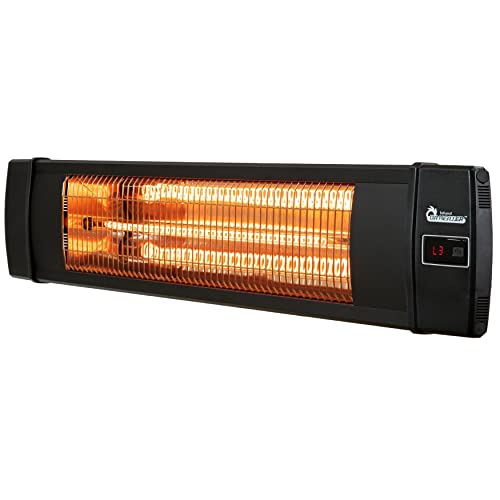
This carbon infrared heater is IP55 rated for indoor and outdoor use, making it suitable for semi-enclosed barn areas, covered runs, and sheltered workspaces. It offers instant, odorless infrared heat with three power settings (900W, 1200W, 1500W) on standard 120V power. The unit is plug-and-go and includes a remote for convenience.
Infrared heaters warm objects and animals directly rather than heating all the air—useful in drafty or large-volume barns where air losses are significant. The DR-238 is best for localized warming near animal resting areas, vet tables, or worker stations. Installation is relatively simple; mounting height and aiming affect coverage and effectiveness.
Mr. Heater Big Maxx MHU80NG
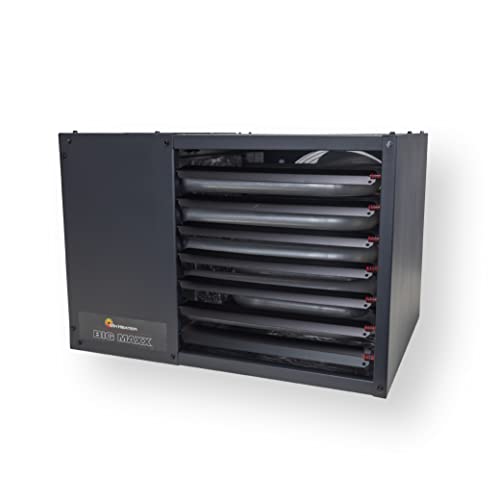
The Mr. Heater Big Maxx is a natural gas unit heater rated at 80,000 BTU, designed to heat large, open spaces such as barns and workshops. It includes mounting brackets and supports category 1 vertical or category 3 horizontal venting. Coverage is listed around 2000 sq. ft. when properly installed and vented.
Call 888-896-7031 for Free Local HVAC Quotes – Compare and Save Today!
This model requires a natural gas supply and professional or qualified installation for venting and clearances (minimum 8 ft clearance from floor to base). It is intended for permanent installation and delivers sustained, high-output convection heating suitable for barn spaces with moderate insulation. Thermostat and external controls are not included with the unit.
ProTemp 125,000 BTU LP Propane Heater

The ProTemp 125,000 BTU propane heater is a high-capacity option for very large barns and commercial outbuildings. Designed with matched direct-drive motors and high airflow (up to 12,000 CFM), it emphasizes powerful convective airflow to distribute heat across large volumes.
Constructed with powder-coated steel guards for corrosion resistance, it targets spaces up to approximately 3125 sq. ft. The unit is engineered for energy efficiency and low electrical draw. This heater is best for barns where propane is available and where fast, robust warming of large spaces is required. Professional installation and ventilation planning are typically recommended for safety and performance.
ProTemp 80,000 BTU Propane Convection Heater

This ProTemp convection heater provides CSA-certified safety and is sized for barn spaces up to about 1800 sq. ft. It uses a standard 20 lb propane tank for fuel and is designed for even heat distribution throughout a space. Convection heating works well in enclosed or semi-enclosed barns with reasonable sealing.
Call 888-896-7031 for Free Local HVAC Quotes – Compare and Save Today!
Key features include reliable propane operation, simple fuel logistics with tank compatibility, and a design focused on continuous, even heating. Suitable for hobby farms and medium-sized barns, it requires appropriate clearances, ventilation planning, and adherence to local codes for propane appliance use in agricultural buildings.
Comfort Zone Milkhouse Style Utility Heater

The Comfort Zone Milkhouse utility heater is a portable electric heater delivering 1500W of power. It offers adjustable thermostat control, three heat/fan settings, overheat protection, and a tip-over switch for safety. It is aimed at spot heating in enclosed stalls, small tack rooms, or near workbenches.
Electric utility heaters are simple to deploy with no combustion or venting required, making them safer for tightly enclosed spaces where animals are present, provided cords and location are managed. Their limitation is overall output: a 1500W unit is suited to small zones rather than whole-barn heating unless multiple units are used and the barn is well-insulated.
Buying Guide: Choosing The Right Barn Heater
Selecting a heater for a barn involves assessing space size, insulation, occupant needs (animals, people, stored items), fuel availability, and safety/ventilation. Below are the primary considerations and comparative perspectives to guide a sound choice.
1. Heating Capacity And Coverage
Estimate barn volume (length x width x height) and insulation quality. Use BTU ratings or appliance coverage suggestions as a guide: high BTU heaters (80k–125k) suit large, high-ceiling barns; smaller electric units are for stalls, tack rooms, or spot heat. Infrared models provide spot warmth without raising air temperature significantly.
2. Fuel Type: Propane, Natural Gas, Or Electric
- Natural Gas: Economical for permanent installations if supply exists; unit heaters (like Mr. Heater) deliver continuous high output but require venting.
- Propane: Flexible for remote barns without natural gas; high-BTU propane heaters (ProTemp) supply large outputs but need safe tank handling and ventilation.
- Electric: No combustion, minimal installation, safe for enclosed animal areas; best for smaller zones or supplemental heat due to lower per-unit output and higher operating cost for large spaces.
3. Heating Method: Convection vs Infrared
Convection heaters warm the air, ideal for enclosed, insulated barns where air circulation can distribute heat. Infrared heaters heat surfaces and animals directly and are useful in drafty or open sections where warming the air is inefficient. Choose based on whether you need ambient air warming or targeted surface/animal warmth.
4. Venting, Combustion Safety, And Clearance
Combustion heaters require appropriate venting to the outdoors and adherence to specified clearances. Check manufacturer instructions for minimum distances from floors, walls, and combustible materials. Use professional installation for natural gas or high-BTU propane heaters to ensure safe operation.
5. Animal Welfare And Heat Distribution
Different animals have varied temperature needs. Use localized heated shelters or heat lamps for neonatal livestock and infrareds for targeted spots. For general comfort, maintain uniform ambient temperatures with convection heating and avoid placing animals directly under combustion exhaust or where drafts concentrate.
6. Energy Efficiency And Operating Costs
Higher BTU units can heat large spaces faster but may consume more fuel per hour. Consider duty cycle, insulation upgrades, and programmable thermostats to reduce runtime. Electric options may be simpler but could cost more for continuous whole-barn heating; propane and natural gas often scale better for large volumes.
7. Durability And Moisture Resistance
Barns can be humid and dusty. Choose units with corrosion-resistant coatings, IP ratings for damp locations, and guards to protect moving parts. For outdoor-exposed installations, select heaters rated for wet or semi-outdoor use.
8. Installation, Portability, And Maintenance
- Permanent Unit Heaters require mounting, gas lines, and venting; expect professional service and periodic inspections.
- Propane Heaters may be portable but still need stable placement and safe fuel handling.
- Electric Heaters are easiest to relocate but check circuit capacity and use GFCI protection in damp areas.
9. Safety Features And Certifications
Look for CSA, ETL, or UL listings, overheat protection, tip-over switches for portable units, and approved venting classifications for combustion appliances. Certified products and built-in safety devices reduce risk in agricultural environments.
10. Comparative Perspectives
For whole-barn warming in large, semi-insulated structures, high-BTU propane or natural gas unit heaters provide the best capacity. For medium-sized barns or where propane is preferred, 80k–125k BTU models cover most needs. For spot heating, newborn care, or drafty stalls, combine infrared panels or heat lamps with insulated shelters. For enclosed, small-volume spaces where combustion is undesired, electric utility heaters offer safe, easy heat.
Installation And Regulatory Notes
Consult local building codes and agricultural regulations. Combustion units typically require permitted installation and exhaust routing. Ensure carbon monoxide monitoring where combustion heaters are used near occupied animal spaces. Maintain routine inspections and clearances to minimize fire and safety hazards.
Tips for Getting the Best HVAC Prices
- Prioritize Quality Over Cost
The most critical factor in any HVAC project is the quality of the installation. Don’t compromise on contractor expertise just to save money. - Check for Rebates
Always research current rebates and incentives — they can significantly reduce your overall cost. - Compare Multiple Quotes
Request at least three estimates before making your choice. You can click here to get three free quotes from local professionals. These quotes include available rebates and tax credits and automatically exclude unqualified contractors. - Negotiate Smartly
Once you've chosen a contractor, use the proven strategies from our guide — How Homeowners Can Negotiate with HVAC Dealers — to get the best possible final price.