
Finding a reliable heater that runs without electricity is essential for cold-weather camping, emergency shelters, or off-grid trips. Below is a concise comparison table of five top-rated, fuel-powered camping heaters selected for portability, safety features, and off-grid performance.
| Product | Heat Source | BTU / Output | Indoor-Safe Features |
|---|---|---|---|
| Mr. Heater Portable Buddy Heater MH9BX | Propane | 4,000–9,000 BTU | Tip-Over Switch, Piezo Igniter |
| VESTA Self-Powered Camping Heater & Stove | Canned Heat (Sterno-style) | Heats Up To ~200 sq. ft. | No Electricity Needed, Safe For Indoor Use |
| JNDO Portable Propane Heater | Propane | 4,000 BTU | Low-Oxygen Shutoff, Tip-Over Protection |
| Mosoyolo Portable Propane Heater 6500 BTU | Propane | 6,500 BTU | Tip-Over Protection, Electric Igniter |
| Naturehike 3-in-1 Butane Camping Heater | Butane | 3,750 BTU | Cooking Surface, Insulated Handle |
Content Navigation
- Mr. Heater Portable Buddy Heater MH9BX 4,000-9,000 BTU
- VESTA Self-Powered Camping Indoor/Outdoor Heater & Stove
- JNDO Portable Propane Heater 4000-BTU Camping
- Mosoyolo Portable Propane Heater Camping 6500 BTU
- Naturehike Portable 3-in-1 Butane Tent Heater 3750 BTU
- Buying Guide: Choosing A No-Electricity Camping Heater
Mr. Heater Portable Buddy Heater MH9BX 4,000-9,000 BTU
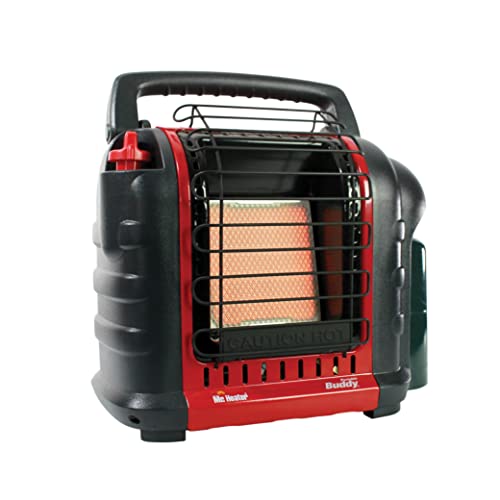
The Mr. Heater Portable Buddy MH9BX is a radiant propane heater designed to warm people and objects directly. Its heat output ranges from 4,000 to 9,000 BTU, making it suitable for enclosed areas up to about 225 square feet under recommended ventilation conditions. The heater uses advanced infrared-style heating to provide sun-like warmth without requiring electricity.
Key listed features include a durable Piezo igniter for matchless start-up and an improved tip-over safety switch that audibly engages if the unit is bumped. The unit emphasizes direct radiant heating rather than attempting to heat large air volumes, which can be useful inside tents or small campers with appropriate ventilation and adherence to manufacturer safety guidance.
VESTA Self-Powered Camping Indoor/Outdoor Heater & Stove

The VESTA (Insta-Fire branded) is a compact unit that combines a stove and space heater, running on canned heat and requiring no electricity. It’s engineered for indoor-safe use, enabling cooking and localized warming in off-grid scenarios. The product claims effective heating coverage for areas around 200 square feet, depending on conditions.
Call 888-896-7031 for Free Local HVAC Quotes – Compare and Save Today!
Designed to operate with up to three canned-heat fuel sources for higher output, VESTA positions itself as versatile for both meal prep and supplemental warmth. Its listed features highlight self-powered operation, indoor safety labeling, and dual-function capability, which can reduce the need to carry separate devices for cooking and heating.
JNDO Portable Propane Heater 4000-BTU Camping

The JNDO Portable Propane Heater provides a focused 4,000 BTU output intended for small to moderate-sized tents and shelters. Its design supports two placement modes—upright at 90 degrees or tilted at 45 degrees—to adapt heating direction while increasing surface stability with a wider base.
Safety features on the JNDO include a low-oxygen shutoff that halts operation if oxygen levels drop too low, and an automatic tip-over shutdown. These features align with common indoor-safe requirements for combustion-based heaters when used in enclosed spaces with appropriate ventilation practices.
Mosoyolo Portable Propane Heater Camping 6500 BTU

The Mosoyolo 6500 BTU model targets users who want stronger output without mains power. Its higher rated heat output of 6,500 BTU supports quick temperature increases in colder conditions and suits larger tents, enclosed porches, or cabins when used with correct ventilation.
Call 888-896-7031 for Free Local HVAC Quotes – Compare and Save Today!
Feature highlights include a built-in electric igniter for push-button starts and multiple safety mechanisms such as tip-over automatic leak protection and high-temperature-resistant construction. The unit uses standard propane cylinders (sold separately), and the product emphasizes durable materials like an aluminum reflector and brass connector for longevity in outdoor use.
Naturehike Portable 3-in-1 Butane Tent Heater 3750 BTU

The Naturehike 3-in-1 is a compact butane-powered heater with a 3,750 BTU rating and multifunction capabilities that include a cooking surface and a warming shelf. Running on an 8 oz butane canister, it can operate for several hours per canister depending on power setting.
This unit uses cellular porous mesh heating technology for efficient heat transfer and is positioned for users who prioritize lightweight multiuse gear. The insulated handle, portable form factor, and built-in workspace make it a candidate for minimal-gear setups where cooking and warming are both required.
Buying Guide: Choosing A No-Electricity Camping Heater
Selecting the right off-grid heater requires balancing heat output, fuel type, safety, portability, and intended use. Below are key considerations and comparison perspectives to help match a heater to your needs.
Heat Output And Coverage
BTU (British Thermal Units) indicates heating power. For a small tent or personal area, 3,000–5,000 BTU devices usually suffice. For larger shelters or faster warm-up, 6,000+ BTU units are more effective. Remember that radiant heaters warm people and surfaces directly, while convective heaters warm air—choose based on how you camp.
Fuel Type And Availability
- Propane: Widely available, good for higher BTU output, compatible with standard disposable or refillable cylinders.
- Butane: Compact canisters, good for lightweight setups; performance drops in very cold temperatures.
- Canned Heat (Sterno-style): Low-tech, safe for short durations and cooking, but lower sustained heat.
Consider how long you need heat per night and whether resupply is practical for your trip duration.
Safety Features To Prioritize
- Low-Oxygen (ODS) or CO Monitoring: Heaters that detect reduced oxygen or incomplete combustion can shut off automatically.
- Tip-Over Shutdown: Prevents continuous fuel flow if the unit falls.
- Reliable Ignition: Piezo or electric igniters avoid the need for matches; manual ignition may still be required for some models.
- Ventilation Requirements: Any combustion heater needs adequate ventilation; always follow manufacturer guidance to reduce CO risk.
Portability And Weight
Assess packed size, weight, and whether the heater fits in your pack or vehicle. Multiuse devices (heater + stove) can reduce overall gear weight. Consider fuel weight when calculating total load.
Usability And Controls
Look for adjustable heat settings, stable base designs, and simple ignition systems. Units with ability to angle or direct heat can be more versatile in shelters with constrained layouts.
Run Time And Fuel Efficiency
Check manufacturer run-time estimates for different power settings. Higher BTU outputs consume fuel faster. For multi-night trips without resupply, calculate fuel needs in advance based on nightly hours of operation.
Environment And Temperature Limits
Butane loses vapor pressure in very cold temperatures, reducing output. Propane performs better in cold conditions. If you camp in freezing weather, prioritize propane-compatible heaters or cold-rated fuels.
Regulatory And Location Considerations
Some heaters have regional approvals or restrictions. When camping in parks or managed sites, verify rules about open flames and fuel canisters. For indoor or enclosed use (e.g., camper vans), choose heaters explicitly listed as indoor-safe and maintain ventilation.
Maintenance And Durability
Inspect connectors, igniters, and seals before each use. Brass fittings resist corrosion; aluminum reflectors are lightweight but can dent. Consider warranty and availability of replacement parts.
Comparison Perspectives
- Performance-Focused: Choose higher BTU propane models for quick warm-up and larger spaces.
- Lightweight Minimalism: Butane or canned-heat multiuse units offer compactness and cooking ability.
- Safety-First: Prioritize models with ODS/low-oxygen shutoff and tip-over protection for enclosed environments.
- Budget vs Longevity: Cheaper units may save upfront cost but could lack durable connectors or advanced safety systems.
When using any combustion heater off-grid, always follow manufacturer instructions, ensure adequate ventilation, and use carbon monoxide monitoring in enclosed spaces. Matching heater type to fuel availability, expected temperatures, and shelter size will deliver the best off-grid heating experience.
Tips for Getting the Best HVAC Prices
- Prioritize Quality Over Cost
The most critical factor in any HVAC project is the quality of the installation. Don’t compromise on contractor expertise just to save money. - Check for Rebates
Always research current rebates and incentives — they can significantly reduce your overall cost. - Compare Multiple Quotes
Request at least three estimates before making your choice. You can click here to get three free quotes from local professionals. These quotes include available rebates and tax credits and automatically exclude unqualified contractors. - Negotiate Smartly
Once you've chosen a contractor, use the proven strategies from our guide — How Homeowners Can Negotiate with HVAC Dealers — to get the best possible final price.