
Choosing the best heater for your porch depends on coverage area, fuel type, weather resistance, and installation style. Below is a concise comparison of selected porch heaters to help narrow options for different porch types, from covered hang-mounted setups to open-air patios.
| Product | Type | Power Source / Output | Best For |
|---|---|---|---|
| Dr Infrared DR-238 Carbon Infrared | Electric Infrared | 900–1500W | Covered or semi-open porches, plug-and-play use |
| SereneLife Outdoor Electric Patio Heater | Electric Infrared | 900W | Energy-efficient small porch or balcony |
| Electric Outdoor Hanging Heater (Danluke) | Ceiling-Mounted Electric Infrared | 1500W | Hanging/heavy-duty coverage for covered porches and gazebos |
| Cuisinart Portable Tabletop Patio Heater | Propane Tabletop | 11,000 BTU | Portable tabletop warmth for small gatherings |
| Hykolity Pyramid Patio Heater | Propane Tower Heater | 48,000 BTU | Large open porches, decorative flame effect |
Content Navigation
- Dr Infrared Heater DR-238 Carbon Infrared Outdoor Heater
- SereneLife Outdoor Electric Patio Heater
- Electric Outdoor Heater, 1500W Hanging Heater
- Cuisinart Portable Tabletop Patio Heater
- Hykolity Pyramid Patio Heater, 48000 BTU
- Buying Guide: How To Choose The Best Porch Heater
- 1. Fuel Type And Power
- 2. Coverage Area And Placement
- 3. Weather Resistance And Ratings
- 4. Safety Features And Certifications
- 5. Installation And Portability
- 6. Energy Efficiency And Operating Costs
- 7. Ambient vs Spot Heating
- 8. Noise, Light, And Ambience
- 9. Maintenance And Durability
- 10. Regulatory And Safety Considerations
Dr Infrared Heater DR-238 Carbon Infrared Outdoor Heater
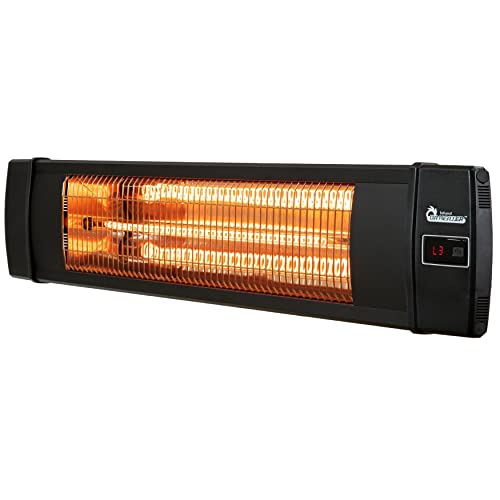
The Dr Infrared DR-238 is an IP55-approved indoor/outdoor electric infrared heater offering three power settings: 900W, 1200W, and 1500W. The unit is designed for quick, clean, and odorless infrared heat and includes a remote for convenient control. It operates on standard 120V power and targets radiant heat to people and objects rather than heating the air alone.
This model suits covered porches, enclosed patios, and garages where a plug-in electric solution is preferred. The IP55 rating supports exposure to dust and jets of water but is best installed under an overhang for longer life. Multiple power levels allow balancing comfort and energy use.
SereneLife Outdoor Electric Patio Heater

The SereneLife patio heater is an IP65-rated electric infrared heater with a 900W carbon fiber element and aluminum reflector. It offers two heat levels and an included remote, emphasizing fast, sun-like warmth without gas or combustion odors. ETL certification is noted for safety validation.
Call 888-896-7031 for Free Local HVAC Quotes – Compare and Save Today!
Its weather-resistant, corrosion-resistant aluminum frame makes it appropriate for exposed porches and balconies. The unit aims for energy efficiency—carbon fiber elements and high-efficiency transfer—making it a practical pick for small outdoor spaces where low power consumption matters.
Electric Outdoor Heater, 1500W Hanging Heater

This Danluke-style electric hanging heater delivers 1500W of infrared heat with a claimed 360° coverage suitable for larger covered porches, decks, and gazebos. The heater has an IP34 rating for protection against splashing water and dust, and includes built-in safety features such as tip-over and overheat protection when used per installation instructions.
Designed for ceiling or beam mounting, this model targets people directly under the mounting point. It’s a hardwired or corded option depending on the model variation; mounting height and location will affect the effective coverage and perceived comfort.
Cuisinart Portable Tabletop Patio Heater
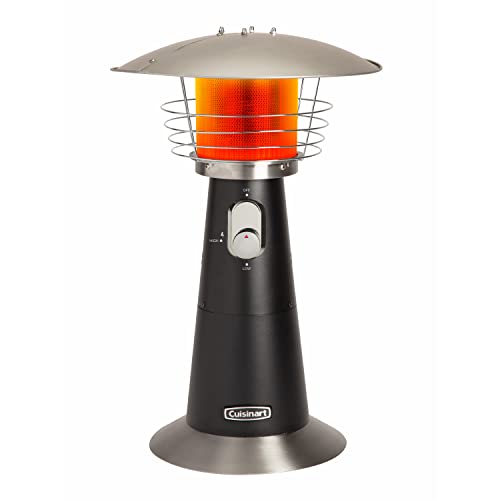
The Cuisinart tabletop heater is a compact propane model producing 11,000 BTU and intended to warm about 30 sq. ft. It includes a built-in anti-tilt automatic shut-off and a burner screen guard for safety. Its portable size makes it useful for table-top heating during outdoor dining, tailgating, or camping.
Call 888-896-7031 for Free Local HVAC Quotes – Compare and Save Today!
This propane design is useful for open or semi-open porches where portability and instant spot warmth are priorities. Propane units deliver radiant heat useful for seating clusters, but they require proper ventilation and attention to fuel handling and storage.
Hykolity Pyramid Patio Heater, 48000 BTU

The Hykolity pyramid heater is a tall, decorative propane tower featuring a 48,000 BTU output and a visible flame within a glass tube. At approximately 90 inches tall, it provides long-running warmth from a standard 20 lb propane tank and includes wheels for repositioning.
Its design is intended for large open porches, patios, and commercial spaces where both radiant warmth and visual ambience matter. Variable heat settings and an access door for the propane tank add functional convenience for extended outdoor use.
Buying Guide: How To Choose The Best Porch Heater
Selecting a porch heater requires evaluating space, installation type, fuel source, and safety. Below are critical factors and comparison perspectives to help match a heater to your porch setup.
1. Fuel Type And Power
- Electric Infrared Heaters: Best for covered porches and enclosed spaces with available power. They provide clean, instant radiant heat and are often low-maintenance.
- Propane Patio Heaters: Provide higher BTU outputs suitable for open or large porches. They are portable but require ventilation and propane storage considerations.
- BTU vs Watts: Propane heaters are specified in BTU (higher BTU = broader area), while electric heaters list watts. For comparison, a 1500W electric heater provides strong local warmth but may not match a 40,000+ BTU propane unit in open-air coverage.
2. Coverage Area And Placement
- Measure the porch area and seating layout. Radiant heaters warm people and objects directly; placing the heater near seating clusters yields better perceived warmth.
- Hanging/Ceiling-Mounted heaters concentrate warmth below and keep floor space clear. Consider mounting height—most manufacturers recommend a minimum height for safety and performance.
- Tabletop and Portable units are ideal for small gatherings or temporary setups but offer limited range.
3. Weather Resistance And Ratings
- Check IP ratings: IP65 and IP55 indicate higher resistance to water and dust than IP34. Use higher IP-rated units for exposed porches; lower-rated models should be installed under protection.
- Materials matter: stainless steel and corrosion-resistant aluminum perform better in coastal or humid environments.
4. Safety Features And Certifications
- Look for safety features such as tip-over shutoff, overheat protection, and flame failure devices (for gas models).
- Certifications like ETL or CSA indicate independent safety testing. Ensure units meet local codes for outdoor appliance use.
5. Installation And Portability
- Decide if the heater should be fixed or movable. Ceiling-mounted or hardwired units provide a permanent solution; wheeled or tabletop models offer flexibility.
- Consider professional installation for hardwired or high-BTU gas heaters to meet electrical and gas-code requirements.
6. Energy Efficiency And Operating Costs
- For electric heaters, efficiency is determined by element technology (carbon fiber elements are commonly more efficient). Compare runtime and wattage to expected usage.
- For propane, consider tank run time and variable heat settings. Larger BTU output often means faster fuel consumption.
7. Ambient vs Spot Heating
- Radiant (Infrared) heaters are excellent for spot heating where occupants are seated; they minimize energy wasted heating open air.
- Convection heating is less common for porches; it warms air and requires more energy in open spaces.
8. Noise, Light, And Ambience
- Electric infrared units are generally quiet and emit no flame light. Propane tower heaters often include a visible flame, adding ambience but also producing light and some sound.
- Consider how noise and light affect your outdoor living experience, especially during late evenings.
9. Maintenance And Durability
- Regularly inspect gas fittings and hoses for propane units; clean reflectors and elements on electric models as recommended.
- Cover or store heaters during prolonged off-season periods to protect finishes and components.
10. Regulatory And Safety Considerations
- Follow manufacturer clearances from walls, ceilings, and combustible materials. Ensure adequate ventilation for propane heaters.
- Check local regulations or homeowners association rules regarding outdoor gas appliances and flame displays.
Comparing perspectives: If you prioritize portability and instant spot warmth, a tabletop propane or mobile electric unit fits best. For permanent, low-maintenance solutions on covered porches, electric infrared ceiling-mounted heaters offer reliable, clean heat. For large, open porches or commercial settings, high-BTU propane tower heaters deliver broad radiant coverage and visual ambience.
Installation Tip: Always follow manufacturer guidance for minimum clearances, mounting heights, and power requirements. Consult a licensed electrician for hardwired installations and a qualified technician for gas appliance connections when required.
Tips for Getting the Best HVAC Prices
- Prioritize Quality Over Cost
The most critical factor in any HVAC project is the quality of the installation. Don’t compromise on contractor expertise just to save money. - Check for Rebates
Always research current rebates and incentives — they can significantly reduce your overall cost. - Compare Multiple Quotes
Request at least three estimates before making your choice. You can click here to get three free quotes from local professionals. These quotes include available rebates and tax credits and automatically exclude unqualified contractors. - Negotiate Smartly
Once you've chosen a contractor, use the proven strategies from our guide — How Homeowners Can Negotiate with HVAC Dealers — to get the best possible final price.