
Choosing the best heater for a sauna depends on room size, power supply, installation preferences, and desired heat type. Below is a concise comparison of top heater options selected for home and small commercial saunas, followed by detailed product sections and a practical buying guide.
| Product | Type | Suitable Room Size | Power |
|---|---|---|---|
| VEVOR Sauna Heater (9KW) | Electric Stove | 317–459 cu.ft | 9KW (220–240V) |
| Mangoct 3KW 110V Sauna Heater | Plug-In Electric | Up To 140 cu.ft | 3KW (110V) |
| Mxmoonant 9KW Digital Sauna Heater | Electric Stove | 250–425 cu.ft | 9KW (220V) |
| Finlandia/Harvia FLB-80 | Electric Stove | Maximum 425 cu.ft | 8KW (240V) |
| Dynamic Saunas Barcelona (Infrared) | Infrared Panel Sauna | 1–2 Person Enclosure | Low EMF Carbon Panels |
Content Navigation
VEVOR 9KW Electric Sauna Heater

The VEVOR 9KW electric sauna stove is specified for medium to large home or light-commercial saunas. It operates on 220–240V and covers approximately 317–459 cubic feet, making it suitable for 9–13 m³ spaces. The unit requires a stone fill of around 15 kg (stones not included) to store and radiate heat effectively.
Construction includes an aluminized zinc shell for corrosion resistance and 304 stainless steel heating elements for even heat distribution. The heater ships with an external digital controller mounted outside the sauna, offering time and temperature adjustments, a 3-hour timer, and two operation modes (Normal and Preset) for automated start/stop.
Key practical notes: evaluate site voltage availability before purchase and plan for stone acquisition and proper mounting. The heater’s design emphasizes fast heating, durability in humid environments, and user convenience through remote controls.
Mangoct 3KW Plug-In Sauna Heater

Call 888-896-7031 for Free Local HVAC Quotes – Compare and Save Today!
The Mangoct 3KW plug-in sauna heater is targeted at small rooms up to 140 cubic feet. It uses standard 110V power and offers a rapid-heating profile suitable for quick warming of compact home sauna cabins.
This model includes a 6 ft 12AWG power cord and requires appropriate circuit capacity; installers should verify outlet type and circuit breaker size, and consult an electrician if unsure. The heater is constructed with 304 stainless steel heating tubes for corrosion resistance, and the manufacturer emphasizes fast heat output and moisture tolerance.
Practical advantages include plug-and-play convenience without hardwiring and a built-in 3-hour timer. Important safety notes: confirm your household circuit configuration matches the unit’s requirements and ensure the correct breaker is used.
Mxmoonant 9KW Digital Sauna Heater

The Mxmoonant 9KW electric sauna heater features a built-in digital display control for precise temperature and time management. Its stated coverage is roughly 250–425 cubic feet, supporting medium-size saunas in homes or small spas.
Manufactured with 840 stainless steel heating elements, the unit emphasizes higher heat resistance and output efficiency. Real-time temperature monitoring is included for operational awareness and safer use. The heater is designed to provide even heat distribution across the sauna, facilitating consistent ambient temperatures.
Call 888-896-7031 for Free Local HVAC Quotes – Compare and Save Today!
Installation considerations: ensure appropriate 220V supply and matching electrical infrastructure. The digital controls and integrated hygrometer/thermometer functions simplify operation and monitoring compared with purely manual models.
Finlandia/Harvia FLB-80 Sauna Heater
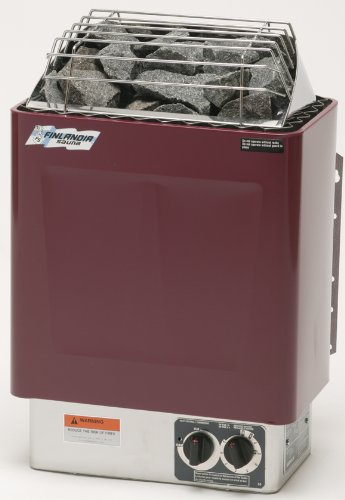
The Finlandia/Harvia FLB-80 is a market-recognized 8KW electric sauna heater intended for rooms up to 425 cubic feet. It operates on 240V/1ph and requires proper wiring (approx. 33.3 Amps, 8 gauge wire recommended).
This heater highlights a stainless interior and elements, a design approach focused on longevity in high-humidity environments. Its specification and compatibility with standard sauna setups make it a commonly referenced baseline for reliable electric sauna performance.
Installation requires coordination with qualified electricians to meet amperage and wiring specifications. The FLB-80’s industry-standard profile suits those seeking a recognized heater designed for typical domestic sauna volumes.
Dynamic Saunas Barcelona Infrared Sauna

The Dynamic Saunas Barcelona model differs from electric stone heaters by using low EMF carbon infrared panels. It’s sized for 1–2 persons and constructed from natural Canadian hemlock. Infrared saunas provide radiant heat that warms the body directly rather than heating air first.
Features include 360° PureTech heating with six carbon panels, built-in red light therapy
Consideration: infrared systems have different heat profiles and perceived humidity compared to traditional steam saunas. Electrical requirements are generally lower than large electric stoves, but verify dedicated circuit needs and room ventilation when installing indoors.
Buying Guide: How To Choose The Right Sauna Heater
This guide covers the main decision factors when selecting a sauna heater, comparing technologies and detailing installation and safety considerations.
Room Size And Heater Power
Match heater capacity to cabin volume. A general rule for electric stoves: about 1 kW per 45–50 cubic feet of space. Manufacturers specify recommended cubic feet; use those numbers when sizing. Undersized heaters will struggle to reach target temperatures, while oversized units may cycle inefficiently.
Electric Stove Versus Infrared
- Electric Stoves (Stone/Steam): Heat the air and stones, creating a traditional sauna experience with steam when water is added. Ideal for higher ambient humidity and classic sauna rituals.
- Infrared Panels: Radiant heat warms the body directly, often at lower air temperatures. They heat quickly, use less power for small cabins, and offer different therapeutic benefits such as targeted penetration.
Voltage, Wiring, And Installation
Determine available household voltage (110/120V vs 220/240V) before choosing. High-power heaters (≥6–8 kW) require 220–240V and dedicated wiring and breakers. Plug-in units simplify installation but require matching outlet amperage and proper cord rating. Always consult a qualified electrician for hardwired installations and to confirm breaker size and wire gauge.
Controls And Monitoring
External controllers and digital displays provide safer and adjustable operation from outside the hot room. Look for reliable temperature and timer controls, and consider integrated sensors or hygrometers for real-time monitoring.
Materials And Durability
Stainless steel and corrosion-resistant shells improve longevity in humid sauna environments. Check element material specifications (304 or higher stainless) and consider stone capacity for electric stoves, since stones affect heat retention and steam generation.
Safety Features And Regulations
Confirm compliance with local electrical codes and relevant certifications. Safety considerations include proper clearances, heat shielding, overheat protection, and external controls. For plug-in heaters, ensure the cord and plug match the circuit and breaker rating.
Energy Use And Efficiency
Consider how often and how long the sauna will be used. Infrared models often use less energy to reach effective heat for short sessions, while stone heaters may require more energy to heat both air and stones but retain heat longer. Timers and preset modes can reduce wasted energy.
Experience And Preference
- If you want traditional steam and high humidity with water-based rituals, an electric stone heater is appropriate.
- If you prefer lower air temperatures with direct radiant heat and faster warm-up, an infrared sauna is a viable choice.
Comparison Perspectives
Compare the following when evaluating models: coverage (cubic feet), power and voltage, installation complexity, materials and corrosion resistance, and control features. For example, 9KW electric models suit medium to large rooms but require 220–240V infrastructure, while 2–3KW plug-in units fit small cabins and simplify installation.
Tips for Getting the Best HVAC Prices
- Prioritize Quality Over Cost
The most critical factor in any HVAC project is the quality of the installation. Don’t compromise on contractor expertise just to save money. - Check for Rebates
Always research current rebates and incentives — they can significantly reduce your overall cost. - Compare Multiple Quotes
Request at least three estimates before making your choice. You can click here to get three free quotes from local professionals. These quotes include available rebates and tax credits and automatically exclude unqualified contractors. - Negotiate Smartly
Once you've chosen a contractor, use the proven strategies from our guide — How Homeowners Can Negotiate with HVAC Dealers — to get the best possible final price.
Practical Purchase Checklist
- Measure sauna cabin internal cubic footage.
- Verify home voltage and available circuit capacity.
- Decide between traditional steam or infrared experience.
- Confirm recommended stone weight and whether stones are included.
- Check for external digital controls and timer options for safety.
- Plan for professional electrical installation when required.