
Choosing the right heater for a small garage balances heat output, safety, installation, and energy use. The table below summarizes five compact, garage-suitable heaters from the Amazon selection to help you compare core features at a glance.
| Product | Type | Key Feature |
|---|---|---|
| Comfort Zone Garage Heater, 5,000-Watt | Ceiling-Mount Hardwired | Space-saving ceiling mount, adjustable louvers |
| Dura Heat EUH1465 Electric Forced Air Heater | Portable Forced-Air | PTC ceramic element, 1500W quick warm-up |
| NewAir NGH160GA00 Portable Garage Heater | Portable Ceramic | Tilting head, internal thermostat, auto shut-off |
| Dreo Space Heater, 1500W PTC Ceramic | Portable Oscillating | ETL safety features, 200 sq. ft. coverage, timer |
| Dr Infrared Heater DR-238 Carbon Infrared | Infrared, Indoor/Outdoor | IP55 rated, instant infrared heat, remote control |
Content Navigation
- Comfort Zone Garage Heater, 5,000-Watt Ceiling Heater
- Dura Heat EUH1465 Electric Forced Air Heater With Pivoting Base
- NewAir NGH160GA00 120V Portable Garage Heater
- Dreo Space Heater, 1500W PTC Ceramic With Timer
- Dr Infrared Heater DR-238 Carbon Infrared Outdoor Heater
- Buying Guide: How To Choose A Heater For A Small Garage
- 1. Heater Type And How It Heats
- 2. Power, Coverage, And Placement
- 3. Installation Requirements
- 4. Safety Features
- 5. Energy Use And Controls
- 6. Noise And Airflow
- 7. Durability And Construction
- 8. Ventilation And Indoor Air Quality
- 9. Coverage Patterns: Spot vs Whole-Space Heating
- 10. Controls And Smart Features
- 11. Safety With Stored Materials
- 12. Maintenance And Filter Needs
- Comparison Perspectives
Comfort Zone Garage Heater, 5,000-Watt Ceiling Heater

This ceiling-mounted, hard-wired heater is designed to save floor space while delivering fan-forced heat across a small garage. Constructed from heavy-gauge steel, the unit aims to withstand fluctuating temperatures common in uninsulated spaces.
Key functional elements include adjustable louvers and mounting angle to target airflow, multiple heat settings, and built-in overheat protection. Ceiling installation positions the heater away from tool benches and vehicles, making it compatible with limited floor area.
Consider this model when you prefer a permanent installation and want directed warm-air distribution without sacrificing floor space. Installation typically requires a qualified electrician for the 240V hardwire connection and secure mounting to ceiling joists.
Dura Heat EUH1465 Electric Forced Air Heater With Pivoting Base
Call 888-896-7031 for Free Local HVAC Quotes – Compare and Save Today!
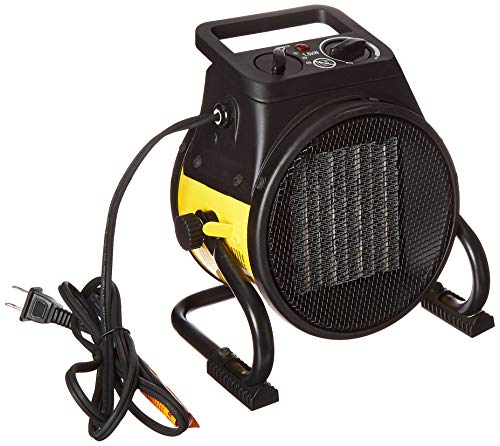
The Dura Heat EUH1465 is a portable forced-air heater using a PTC ceramic heating element at 1500W for rapid warm-up in small spaces. Its pivoting base allows directional airflow to warm localized work areas rather than heating the whole garage volume.
Built with a durable steel body, the unit includes heat and fan-only modes, making it a flexible option for spot heating and circulation. The small footprint and portability support repositioning near workbenches or entry points to reduce cold drafts.
This heater is suitable for users who need temporary, direct heat in a small garage without hardwiring. Note that 1500W units are best for supplementing insulation or for short-term occupancy rather than maintaining high steady temperatures in poorly insulated spaces.
NewAir NGH160GA00 120V Portable Garage Heater

The NewAir NGH160GA00 targets garage use with a combination of ceramic heating plate, strong fan (200 CFM), and safety features such as internal thermostat and automatic shut-off. Its cool-to-the-touch design supports placement near work areas.
Adjustable temperature control, two heat modes, and a tilt-head design make this a mobile and user-friendly option for smaller garages up to the manufacturer’s recommended coverage. An integrated handle enables moving the unit to different zones.
Call 888-896-7031 for Free Local HVAC Quotes – Compare and Save Today!
This model is practical when safety and portability are priorities, and when you prefer a plug-and-play 120V solution to avoid hardwire installation. Automatic shut-off and thermostat control reduce risk if airflow becomes obstructed or ambient temperature exceeds setpoints.
Dreo Space Heater, 1500W PTC Ceramic With Timer

The Dreo 1500W PTC ceramic heater is a compact, ETL-certified unit with oscillation, remote control, and programmable timer. It lists coverage around 200 square feet, making it relevant for small garage zones, especially those used as workshops.
Safety features include tip-over protection, overheat protection, and a built-in thermostat. The fan and oblique airflow design aim to provide quiet operation while distributing heat evenly through the occupied area.
Choose this heater when you want smart timer control and portability combined with standard safety certifications. Avoid using extension cords and ensure the outlet capacity matches the heater’s specifications to maintain safe operation.
Dr Infrared Heater DR-238 Carbon Infrared Outdoor Heater
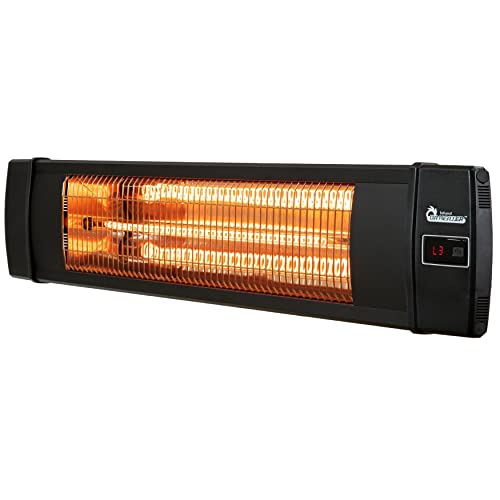
The Dr Infrared DR-238 uses carbon infrared heating elements and is rated IP55 for indoor/outdoor use. Infrared heaters warm people and objects directly rather than the air, which can be efficient in partially insulated garages or open door scenarios.
It offers three power settings (900W–1500W), a remote control, and plug-and-play 120V operation. Instant heat without combustion byproducts makes it suitable for occupied workspaces where air quality and odor-free warmth matter.
Consider infrared when you need targeted radiant heat for people working in place or when garage doors may be frequently opened. Infrared is often perceived as more efficient for spot heating because it reduces losses from heating large air volumes.
Buying Guide: How To Choose A Heater For A Small Garage
Selecting a garage heater requires matching the unit type to your usage, space size, and safety constraints. The following key purchase considerations help weigh options objectively.
1. Heater Type And How It Heats
There are three common types for small garages: forced-air electric (fan-forced or ceramic), infrared/radiant, and hardwired ceiling units. Forced-air heats the air and circulates it; infrared heats objects and people directly; ceiling hardwired models provide powerful distribution while freeing floor space.
2. Power, Coverage, And Placement
Electrical power (watts) and BTU ratings indicate potential output. For small garages, 120V 1500W portable units suit occasional use and spot heating. Larger, continuous-use needs or poorly insulated garages benefit from higher-wattage or hardwired 240V ceiling heaters. Consider where the heater will sit: near workbenches for task heat, or ceiling-mounted for general area coverage.
3. Installation Requirements
Portable plug-in heaters require no professional installation but need an appropriate outlet and avoid extension cords. Hardwired ceiling heaters typically require a qualified electrician for 240V wiring and secure mounting. Verify electrical circuit capacity and ensure the outlet or circuit can support continuous load.
4. Safety Features
Look for overheat protection, tip-over switches, cool-to-touch surfaces, automatic shutoff, and ETL/UL certification. For garages with flammable liquids, maintain distance from stored chemicals and follow clearance requirements. Infrared units often avoid heating air and can be safe for targeted warmth, but confirm any outdoor-rated model has an appropriate IP rating if the space is open.
5. Energy Use And Controls
Energy cost depends on wattage and duty cycle. Programmable timers, thermostats, and ECO modes can reduce runtime and energy consumption. For intermittent workbench use, a 1500W unit with a thermostat or timer often offers the best balance of control and cost.
6. Noise And Airflow
Fan-forced heaters produce airflow noise, which can be disruptive during fine tasks. Ceramic PTC elements often run quieter than coil-based units. Infrared heaters operate quietly because they don’t rely on large fans. If noise matters, review dB ratings or models with reduced fan speed or oscillation.
7. Durability And Construction
Garages can be dusty and subject to temperature swings. Metal housings and sealed elements increase longevity. For permanent installations, choose robust steel construction and corrosion-resistant mounting hardware. For portable units, consider models with protective grills and stable bases.
8. Ventilation And Indoor Air Quality
Electric heaters produce no combustion byproducts, making them appropriate for enclosed garages where carbon monoxide is a concern. Ensure adequate ventilation when running heaters for extended periods, and avoid using fuel-based combustion heaters in closed garages without proper exhaust.
9. Coverage Patterns: Spot vs Whole-Space Heating
Decide whether you need spot heating for a workbench or whole-space warming. Spot heating is best addressed by portable forced-air or infrared units placed near the workspace. Whole-space heating for a small, insulated garage may justify a ceiling-mounted or higher-output unit with louvers for distribution.
10. Controls And Smart Features
Remote control, timers, programmable thermostats, and smart integrations (Alexa/Google) add convenience. Smart scheduling reduces runtime and can lower energy costs, while basic manual controls reduce complexity and potential failure points.
11. Safety With Stored Materials
When a garage stores paints, solvents, or aerosols, follow clearance and storage guidelines from both the heater and chemical manufacturers. Avoid placing heaters directly under shelving with volatile substances and adhere to minimum clearance distances.
12. Maintenance And Filter Needs
Some forced-air units use simple washable filters or grills that collect dust. Regular cleaning improves airflow and prolongs element life. Infrared heaters typically require less maintenance but should still be wiped clean and inspected periodically.
Comparison Perspectives
- Cost vs Performance: 1500W portable heaters cost less and fit plug-in circuits but provide limited whole-space heating. Hardwired 240V ceiling heaters cost more to install but heat a larger volume more evenly.
- Safety vs Mobility: Portable heaters prioritize mobility and ease of use but need tip-over protection and careful placement. Hardwired units are fixed and reduce trip hazards but require professional installation.
- Efficiency vs Coverage: Infrared heaters are efficient for spot heating and when doors are opened frequently. Fan-forced units better circulate heat for enclosed, insulated garages.
- Noise vs Distribution: Fans improve distribution but generate noise. Infrared provides quiet, localized comfort with less air movement.
Use these considerations to match a heater’s strengths to how you use your small garage: occasional wrenching, daily workshop tasks, or general space heating. Choosing the right balance of output, installation, safety, and controls will deliver effective warmth without unnecessary expense or risk.
Tips for Getting the Best HVAC Prices
- Prioritize Quality Over Cost
The most critical factor in any HVAC project is the quality of the installation. Don’t compromise on contractor expertise just to save money. - Check for Rebates
Always research current rebates and incentives — they can significantly reduce your overall cost. - Compare Multiple Quotes
Request at least three estimates before making your choice. You can click here to get three free quotes from local professionals. These quotes include available rebates and tax credits and automatically exclude unqualified contractors. - Negotiate Smartly
Once you've chosen a contractor, use the proven strategies from our guide — How Homeowners Can Negotiate with HVAC Dealers — to get the best possible final price.