
Quick Overview: Below are five tent heaters that operate without grid power, using propane or butane fuel for portable warmth. The table summarizes core specs to help compare size, fuel type, and safety features at a glance.
| Product | Fuel Type | BTU / Output | Key Safety Features |
|---|---|---|---|
| Mr. Heater Portable Buddy MH9BX | 1 lb Propane | 4,000–9,000 BTU | Tip-Over Switch, Piezo Igniter |
| Comfort Gear Portable Personal Propane Heater | 1 lb Propane | 4,000 BTU | ODS (Oxygen Depletion Sensor), Tip-Over Shut-Off |
| HEATHIVE Portable Propane Heater | 1 lb Propane | Radiant Propane Output (listed as powerful) | Foldable Stand, One-Push Ignition |
| KOMAN Propane Heater For Tent | 1 lb Propane (Adapter For Large LP Tanks) | Portable Outdoor Heating Output | Automatic Tip-Over Switch, Auto Shut-Off, CSA Certified |
| GASPOWOR Dual Fuel Portable Outdoor Heater | Butane Or Propane (Dual Fuel) | Up To 9,000 BTU | Tip-Over & Low-Oxygen Safety Shutoff |
Content Navigation
Mr. Heater Portable Buddy Heater MH9BX
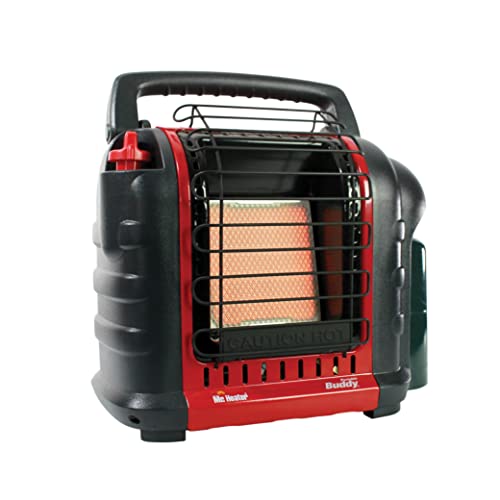
The Mr. Heater Portable Buddy Heater Uses infrared radiant heat to warm objects and people directly. It offers adjustable output from 4,000 to 9,000 BTUs and is rated for spaces up to 225 sq. ft., making it suitable for larger tents or shared shelters.
Key features include an improved tip-over safety switch and a durable Piezo igniter for matchless starting. The design emphasizes direct radiant warmth rather than convected air, which can feel warmer at lower gas consumption.
Practical considerations: ensure proper tent ventilation when using any propane heater. The unit is described as indoor-safe for certain enclosed spaces but follow manufacturer ventilation guidance and never leave a propane heater unattended inside a sleeping tent.
Comfort Gear Portable Personal Propane Heater

Call 888-896-7031 for Free Local HVAC Quotes – Compare and Save Today!
This Comfort Gear model Delivers 4,000 BTUs of infrared heat and is designed for small spaces up to about 100 sq. ft. The unit is compact and intended for quick, targeted warmth in personal tents or small sleeping shelters.
Safety is highlighted with an Oxygen Depletion Sensor (ODS) and a tip-over shut-off. These features reduce risks associated with indoor propane use by shutting the heater off if oxygen levels fall or if the unit is knocked over.
Operational notes: It fits a 1 lb LP tank and is described as lightweight for camping use. Users should still provide ventilation and follow any tent manufacturer’s guidance on heater placement and use to avoid condensation or CO buildup.
HEATHIVE Portable Propane Heater For Camping Tent

The HEATHIVE portable heater Emphasizes ease of transport and quick setup. It lists a powerful propane output suitable for camping, hunting blinds, and outdoor lounging areas. The design is compact with a durable carrying case for portability.
Features include a foldable stand base and one-push ignition, simplifying setup on short outings. The heater is intended to work with standard 1 lb propane cylinders and is described as delivering consistent radiant heat.
Call 888-896-7031 for Free Local HVAC Quotes – Compare and Save Today!
Operational considerations: As with other fuel heaters, maintain ventilation and distance from flammable materials. The lightweight nature makes it convenient for day trips, but confirm compatibility with your tent fabric and layout before extended use.
KOMAN Propane Heater For Tent, Camping & Patio

The KOMAN heater Offers dual-size fuel flexibility by supporting 1 lb cylinders and larger 20–40 lb LP tanks via an included POL adapter. This makes it adaptable from compact tent use to longer-term patio or basecamp needs.
Safety and certification are emphasized: the product notes CSA certification, an automatic tip-over switch, and auto shut-off valve. The ceramic construction reduces overheating risk around gas lines, and a hanger handle supports safe relocation or hanging.
Practical use: The included tank holder and stabilizer can improve safe placement in uneven terrain. Verify adapter and tank connections prior to use, and follow ventilation recommendations when used in enclosed shelters such as tents.
GASPOWOR Dual Fuel Portable Outdoor Heater

The GASPOWOR unit Is a dual-fuel heater compatible with both small butane canisters and 1 lb propane tanks via the provided adapter. It lists output up to 9,000 BTU, offering higher heat potential for colder conditions or larger tents.
Safety features include tip-over protection and a low-oxygen safety shutoff. The unit is presented as lightweight and designed for fast setup, suitable for activities like skiing, hunting, or extended camping trips.
Usage notes: Dual-fuel capability provides operational flexibility but requires correct adapter and fuel selection. For tent use, confirm that the heater’s BTU is appropriate for your tent volume and that ventilation mitigates CO and humidity risks.
Buying Guide: Choosing The Right No-Electric Tent Heater
Selecting a tent heater that runs without electricity involves balancing heat output, fuel type, safety features, and the specific tent environment. Below are the primary considerations to evaluate before purchase.
Heat Output And Tent Size
- BTU Rating: Higher BTUs deliver more heat but require more fuel and can increase oxygen consumption. Small personal tents typically need 4,000–5,000 BTU; larger shared tents may require 7,000–9,000 BTU.
- Heat Type: Radiant heaters warm occupants and gear directly and often feel warmer at lower ambient temperatures than convective heaters.
Fuel Type And Availability
- 1 lb Propane Canisters: Widely available and common for camping heaters; convenient for short trips.
- Butane Canisters: Useful in some dual-fuel heaters but perform poorly in very cold temperatures compared to propane.
- Large LP Tanks: Provide longer run times but need adapters and carry more weight—better for basecamp or patio use.
Safety Features To Prioritize
- Oxygen Depletion Sensor (ODS): Shuts down the heater if oxygen levels fall to unsafe levels—critical for enclosed spaces.
- Tip-Over Switch: Automatically turns off the heater if knocked over, reducing fire risk.
- Auto Shut-Off / Overheat Protection: Prevents continuous operation if the unit overheats or malfunctions.
- Certified Units: Look for third-party certifications (CSA, ETL) when possible.
Portability And Setup
- Size & Weight: Consider carry weight and packed dimensions for backpacking vs. car camping.
- Mounting / Stand: Stable base, hanger options, or included tank holders improve safe placement in tents.
- Ignition System: Piezo or one-push ignition is convenient and avoids matches; confirm reliability in cold conditions.
Run Time And Fuel Efficiency
- Burn Rate: Check manufacturer estimates for runtime on a 1 lb cylinder at different BTU settings.
- Dual-Fuel Flexibility: Dual-fuel heaters offer adaptability but validate cold-weather performance for each fuel.
Ventilation And Tent Compatibility
- Ventilation Requirement: Always provide adequate fresh air when using fuel-burning heaters to prevent CO buildup and moisture accumulation.
- Tent Materials: Maintain safe clearances from tent fabric, mesh, and sleeping bags; verify the heater manufacturer’s minimum distance recommendations.
Use Cases And Practical Tips
- Personal Use: Small radiant units with ODS and tip-over protection are suitable for one- to two-person tents.
- Group / Larger Tents: Higher BTU units or strategically placed multiple heaters may be necessary. Prefer units with adjustable output.
- Emergency Use: Choose models with reliable ignition and spare fuel availability; always follow emergency ventilation protocols.
Comparison Perspectives To Consider
- Safety vs. Heat: Higher heat output increases ventilation needs—balance warmth requirements with safe operation.
- Portability vs. Runtime: Lighter, smaller canisters trade off shorter runtime. Decide based on trip duration and resupply options.
- Flexibility vs. Complexity: Dual-fuel and adapter-equipped heaters offer flexibility but add connection steps and potential failure points.
Final selection should prioritize safety features, compatible fuel type, and appropriate BTU for your tent’s volume. Always follow manufacturer instructions, maintain ventilation, and use carbon monoxide detectors designed for camping environments when possible.
Tips for Getting the Best HVAC Prices
- Prioritize Quality Over Cost
The most critical factor in any HVAC project is the quality of the installation. Don’t compromise on contractor expertise just to save money. - Check for Rebates
Always research current rebates and incentives — they can significantly reduce your overall cost. - Compare Multiple Quotes
Request at least three estimates before making your choice. You can click here to get three free quotes from local professionals. These quotes include available rebates and tax credits and automatically exclude unqualified contractors. - Negotiate Smartly
Once you've chosen a contractor, use the proven strategies from our guide — How Homeowners Can Negotiate with HVAC Dealers — to get the best possible final price.