
Quick Overview: This guide compares reliable options for heating under an RV — from engine compartment/bilge heaters to point-of-use mini water tanks and tank heater pads. Below is a concise table of the five selected products and their primary use.
| Product | Primary Use | Power/Type |
|---|---|---|
| BISELONG 2.5 Gallon Mini Tank (BI-2.5) | Under-sink RV hot water storage | 1500W Electric Mini Tank |
| Aokawa 2.5 Gallon Mini Tank | Point-of-use RV water heater | 1500W Electric Mini Tank |
| Fisoceny 2.5 Gallon Mini Tank | Compact under-sink RV heater | 1500W Electric Mini Tank |
| Xtreme Heaters 600W Bilge Heater | Engine compartment / underbelly freeze protection | 600W Marine Bilge Heater (PTC) |
| RecPro RV Tank Heater Pad (3 Pads) | Fresh/gray/holding tanks freeze prevention | 12V Adhesive Tank Pad |
Content Navigation
- BISELONG 2.5 Gallon Mini Tank Hot Water Heater
- Aokawa 2.5 Gallon Under Sink Mini Tank
- Fisoceny 2.5 Gallon Instant Mini Tank
- Xtreme Heaters 600W Marine Bilge Heater
- RecPro RV 12V Tank Heater Pad (3 Pads)
- Buying Guide: Choosing The Right Heater For Under Your RV
- 1. Identify The Target Application
- 2. Storage Tank Vs. Tankless For Hot Water
- 3. Electrical Requirements And RV Capacity
- 4. Freeze Protection Options
- 5. Material, Durability, And Corrosion Resistance
- 6. Mounting And Space Constraints
- 7. Safety Features
- 8. Temperature Control And Recovery Time
- 9. Installation Complexity And Included Accessories
- 10. Energy Efficiency And Standby Loss
- Comparison Perspectives
BISELONG 2.5 Gallon Mini Tank Hot Water Heater
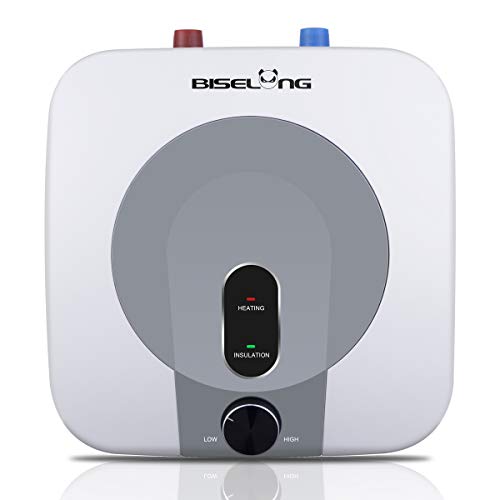
The BISELONG compact mini tank is designed for under-sink installation in RVs and tight spaces. Constructed from 304 stainless steel with laser welding, it aims to resist rust and leaks. The L-shaped 1500W heating element is stated to increase heat exchange area for faster recovery.
- Rapid Temperature Recovery: Heats to set temperature in about 8–15 minutes and can serve two sinks according to the manufacturer.
- Energy-Saving Smart Inverter: Internal smart chip maintains set temperature and enters insulation mode to hold heat.
- Compact Design: Square footprint intended to fit under cabinets or in RV compartments; dimensions provided by the brand.
Considerations: this model is a small storage tank unit, so it provides a buffer of hot water at the point of use rather than continuous flow like larger systems. Check electrical compatibility in your RV (110–120V) and confirm mounting clearance for the listed dimensions.
Aokawa 2.5 Gallon Under Sink Mini Tank

The Aokawa 2.5 gallon unit is a point-of-use storage heater optimized for fast heat-up and insulation. The brand highlights a high-efficiency heating element and polyurethane insulation to reduce standby loss.
Call 888-896-7031 for Free Local HVAC Quotes – Compare and Save Today!
- Instant Hot Water: Manufacturer states hot water available within 5–10 minutes for typical use at the sink.
- High Thermal Efficiency: Up to 97% thermal efficiency with adjustable temperature from 86–167°F.
- Installation Options: Wall or floor mountable; includes safety valve and supports typical RV/service plumbing.
Considerations: Being a mini tank, it stores a limited volume—suitable for dishwashing and handwashing but not continuous high-flow demands. Verify included fittings and pressure relief compatibility with your RV plumbing layout.
Fisoceny 2.5 Gallon Instant Mini Tank

The Fisoceny mini tank emphasizes rapid recovery and a compact footprint designed for RVs and other tight installations. The unit uses 304 stainless steel and a 1500W L-shaped heating tube to accelerate heating.
- Rapid Recovery: Manufacturer claims desired temperature in 5–8 minutes due to the heating element design.
- Compact And Portable: Multiple mounting options (wall or floor) and included fittings for installation.
- User Controls: Mechanical knob for temperature adjustment between about 86–149°F.
Considerations: The product comes with hoses and a pressure relief valve, which can simplify installation. As with other mini tanks, confirm your RV electrical circuit can safely support a 1500W load while other appliances are running.
Xtreme Heaters 600W Marine Bilge Heater

The Xtreme Heaters unit is targeted at engine compartments, underbellies, and bilges for freeze protection and engine compartment temperature maintenance. It uses a PTC element with a sealed electronics module and a waterproof fan.
Call 888-896-7031 for Free Local HVAC Quotes – Compare and Save Today!
- Self-Regulating PTC Element: Automatically turns on at 40°F and off at 55°F for stable compartment temperatures.
- Durability: Anodized case and sealed electronics, designed for marine and outdoor exposure.
- Mounting Flexibility: Can be mounted in any orientation and intended to maintain safe engine compartment temps during storage.
Considerations: This is a compartment heater, not a water heater. It’s intended to protect mechanical systems and reduce freezing risk, and it draws different current than typical RV water heaters—check mounting location, ventilation, and wiring per manufacturer guidance.
RecPro RV 12V Tank Heater Pad (3 Pads)
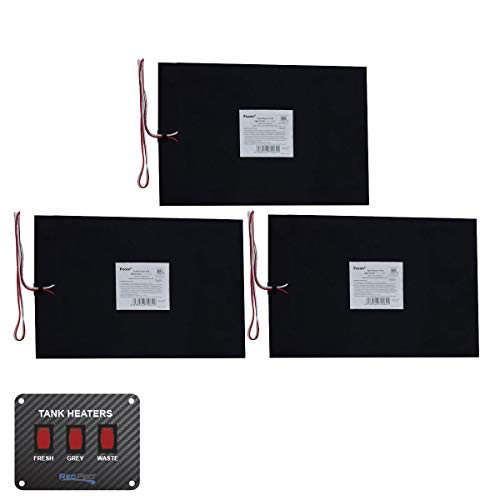
RecPro’s adhesive tank heater pads are designed to attach to fresh, gray, or holding tanks and maintain fluid flow in cold conditions. The pads activate at low temperatures and warm tanks to prevent freezing.
- Peel-And-Stick Installation: Adhesive backing for easy application to most tank surfaces.
- 12V Operation: Activates when water temperature drops below ~45°F and heats to around 68°F.
- Designed For RV Tanks: Intended for tanks up to the specified gallon capacity and sold in multi-pad packs.
Considerations: These pads are low-voltage heating solutions for freeze protection and are best used in conjunction with insulation and other freeze-mitigation strategies. Confirm placement and wiring compatibility with your RV’s 12V system.
Buying Guide: Choosing The Right Heater For Under Your RV
This buying guide covers functional differences, installation, electrical demands, and safety considerations so you can match a heater to a specific under-RV need.
1. Identify The Target Application
Decide whether you need hot water at a sink or freeze protection for tanks and compartments. Mini electric tanks (2.5 gallon) and tankless point-of-use units serve hot water needs. Bilge/compartment heaters and tank pads address freeze protection.
2. Storage Tank Vs. Tankless For Hot Water
Mini Storage Tanks (1.8–2.5 gallons): Provide a small reservoir of hot water at the point of use. Advantages include consistent temperature for short tasks and simpler flow behavior. Limitations include finite volume and recovery time.
Tankless/On-Demand Units: Heat water as it flows. They can provide continuous hot water for low-flow tasks but depend on available electrical power and may have limited maximum flow rates at reasonable temperatures in 110V systems.
3. Electrical Requirements And RV Capacity
Most 110–120V mini tanks draw around 1500W, which can trip circuits if other 120V appliances run simultaneously. Confirm the RV’s shore power, converter/inverter capacity, and whether a generator will be used. Tankless 3000W models on 110V can be limited by real-world current; check product specs and RV wiring.
4. Freeze Protection Options
For tanks and underbelly areas, use 12V tank pads or PTC compartment heaters. Tank pads adhere to tank surfaces and maintain above-freezing temperatures. PTC bilge heaters regulate automatically and are designed for compartments with limited airflow. Combine heating with insulation and slope/placement strategies to minimize freezing risk.
5. Material, Durability, And Corrosion Resistance
Choose units with stainless steel elements and welded tanks for longevity in mobile environments. Look for sealed electronics and marine-grade finishes for under-vehicle compartments exposed to moisture and road debris.
6. Mounting And Space Constraints
Measure available under-sink or underbelly clearance. Mini tanks often offer wall or floor mounting; tankless units may require vertical clearance and accessible water connections. Bilge and tank pads need secure surfaces and space for wiring and switches.
7. Safety Features
Prioritize models with pressure relief valves, dry-fire protection, leak-resistant welding, and automatic shutoff. For compartment heaters, look for sealed electronics and thermal cutoffs. For water heaters, confirm the presence of a proper pressure-relief device and compatibility with RV plumbing pressures.
8. Temperature Control And Recovery Time
Check the temperature range and control type—mechanical knobs vs. digital displays. Mini tanks list recovery times (typically 5–15 minutes) and usable volume; tankless units specify max temperature rise tied to flow rate. Match the heater’s recovery and temperature behavior to expected use cases.
9. Installation Complexity And Included Accessories
Some units include hoses, fittings, and pressure valves, which reduce additional purchases and simplify installation. Others may require separate plumbing or electrical upgrades. If unfamiliar with RV electrical and plumbing norms, consider professional installation.
10. Energy Efficiency And Standby Loss
Mini tanks have standby losses; better insulation reduces wasted energy. Units advertising high thermal efficiency or foam insulation will retain heat longer. For freeze protection, low-wattage thermostatic options reduce battery drain during storage.
Comparison Perspectives
- Best For Frequent Sink Use: Mini tanks (2.5 gal) provide ready hot water bursts ideal for dishes and handwashing without waiting for distant water heaters.
- Best For Continuous Flow Needs: Tankless units offer on-demand heat but require adequate electrical capacity and may limit flow rate at 110V.
- Best For Underbelly Freeze Protection: PTC bilge heaters maintain compartment temperatures automatically and tolerate varied mounting positions.
- Best For Tank Freeze Prevention: 12V adhesive tank pads are tailored to tanks and use low-voltage control to reduce battery impact.
Final Installation Notes: Always verify compatibility with your RV’s power system, observe all manufacturer wiring and mounting instructions, and use qualified technicians where necessary to comply with safety codes and ensure reliable performance.
Tips for Getting the Best HVAC Prices
- Prioritize Quality Over Cost
The most critical factor in any HVAC project is the quality of the installation. Don’t compromise on contractor expertise just to save money. - Check for Rebates
Always research current rebates and incentives — they can significantly reduce your overall cost. - Compare Multiple Quotes
Request at least three estimates before making your choice. You can click here to get three free quotes from local professionals. These quotes include available rebates and tax credits and automatically exclude unqualified contractors. - Negotiate Smartly
Once you've chosen a contractor, use the proven strategies from our guide — How Homeowners Can Negotiate with HVAC Dealers — to get the best possible final price.