
Looking For A Reliable Heater With Fan That Works Year-Round? This Guide Compares Tower Combos, Portable PTC Heaters, And Hybrid High-Velocity Units To Help You Choose Based On Coverage, Safety, Noise, And Controls.
| Product | Type | Key Features |
|---|---|---|
| Dreo Tower Fan And Heater Combo | 42″ Tower 2‑In‑1 | 1500W PTC, 12 fan speeds, 120° oscillation, 17 levels, 12H timer |
| Lasko Oscillating Hybrid Fan And Space Heater (FHV820) | 37.5″ Hybrid High‑Velocity | 1500W, 3 heat/4 fan speeds, AutoEco thermostat, remote |
| Lasko Oscillating All Season Tower (FH515) | 42″ Tower Heater/Fan | 1500W, 3 heat/4 fan speeds, slim footprint, safety features |
| Dreo Space Heater (Portable PTC) | Compact PTC Heater With Fan | 1500W, precise thermostat, 1–12H timer, tip‑over/overheat protection |
| FOHERE Oscillating Tower Fan And Heater | 38″ Tower 2‑In‑1 | 3 fan speeds, 2 heat settings, ECO mode, thermostat 59–95℉ |
Content Navigation
- Dreo Tower Fan And Heater Combo — 42 Inch 2‑In‑1
- Lasko Oscillating Hybrid Fan And Space Heater (FHV820)
- Lasko Oscillating All Season Tower Fan And Space Heater (FH515)
- Dreo Space Heater — Portable PTC With Thermostat
- FOHERE Oscillating Tower Fan And Heater Combo — 37.9 Inch
- Buying Guide — How To Choose The Right Heater With Fan
Dreo Tower Fan And Heater Combo — 42 Inch 2‑In‑1

The Dreo MC706 Combines A 5‑Level 1500W PTC Heater With Up To 12 Cooling Fan Speeds, Designed For All‑Season Use. Its Upgraded DC Motor Reaches 1800 RPM For Higher Airflow (Reportedly Up To 1585 CFM) And Features 120° Ultrawide Oscillation To Spread Air Farther. The Unit Offers Rapid 2‑Second Warmth From The PTC Element And A Wide Temperature Range (41–95℉) With ±1.5℉ Precision When Using ECO Mode. Controls Include Multiple Modes, A 12‑Hour Timer, And Remote Operation. Intended Benefits Are Fast Heat Delivery, Broad Coverage For Large Rooms, And Energy‑saving Temperature Regulation.
Lasko Oscillating Hybrid Fan And Space Heater (FHV820)
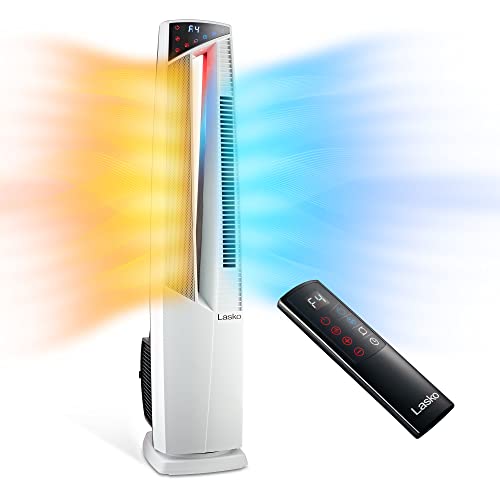
This Lasko Model Is Marketed As A High‑Velocity Hybrid Combining A Ceramic Space Heater And An Electric Tower Fan. It Offers 3 Heat Settings And 4 Fan Speeds Including A High‑Velocity Option For Faster Air Movement. The AutoEco Thermostat Adjusts Output To Maintain Target Temperature While Optimizing Energy Use. Additional Features Include Oscillation For Even Distribution, Remote Control, Timer, Tip‑Over Protection, And A Thermostat For Temperature Regulation. The Design Targets Rooms That Need Both Strong Circulation And Supplemental Heating.
Lasko Oscillating All Season Tower Fan And Space Heater (FH515)

Call 888-896-7031 for Free Local HVAC Quotes – Compare and Save Today!
The Lasko FH515 Is A Slim Tower Offering 3 Heat Settings And 4 Fan Speeds In A Space‑Saving 42‑Inch Package. It Uses A Ceramic Heating Element With Overheat Protection And A Cool‑Touch Housing For Safety. The Oscillating Tower Form Provides Widespread Circulation While Maintaining A Small Footprint, Making It Suitable For Apartments Or Bedrooms. It Also Integrates A Thermostat And Remote Control For Convenience, With An Emphasis On Safe, Continuous Operation.
Dreo Space Heater — Portable PTC With Thermostat
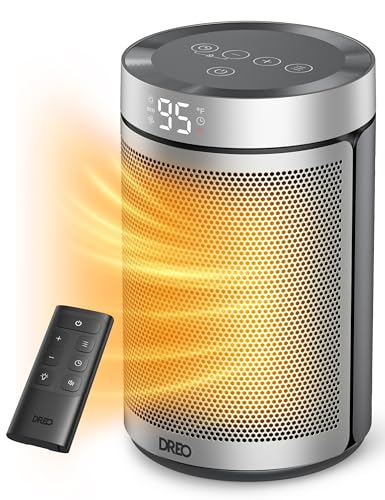
This Compact Dreo Space Heater Uses A 1500W Hyperamics PTC System And A Heat Funnel Design To Accelerate Warm‑Air Distribution. It Claims Improved Reach Versus Traditional Heaters And Offers Precise Temperature Control From 41–95℉ With ±1℉ Increments. Safety Is Emphasized Through Tip‑Over Detection, Overheat Protection, V0 Flame‑Retardant Materials, And ETL Certification. Controls Include Eco And Fan Modes, A 1–12H Timer, And Remote Operation, Targeting Users Who Want A Combination Of Safety, Accuracy, And Compact Footprint For Bedrooms Or Offices.
FOHERE Oscillating Tower Fan And Heater Combo — 37.9 Inch

The FOHERE Unit Is An All‑Season Tower With 3 Fan Speeds, 2 Heat Settings, And A 12‑Hour Timer. It Features A Programmable Thermostat With 1‑Degree Adjustments (59–95℉), An ECO Mode For Energy‑Focused Operation, And Safety Protections Such As Tip‑Over And Overheat Shutoffs. The Design Includes Touch Controls, A Digital Display, And A Carry Handle For Portability. The Manufacturer Emphasizes Rapid Heat (Claims Warmth In 3 Seconds) And Even Distribution Through Oscillation.
Buying Guide — How To Choose The Right Heater With Fan
Selecting A Heater With Fan Requires Comparing Several Factors Based On Room Size, Intended Use, And Safety Preferences. Below Are Key Considerations Organized By Practical Perspectives.
Call 888-896-7031 for Free Local HVAC Quotes – Compare and Save Today!
Coverage And Power
- Wattage And Coverage: Most portable combos Use 1500W As A Maximum Setting. Expect Effective Supplemental Heating For Single Rooms Up To Around 150–300 Square Feet Depending On Insulation And Ceiling Height.
- Airflow (CFM/Velocity): Tower Combos Emphasize Even Distribution Through Oscillation; hybrid high‑velocity models Emphasize Strong Circulation For Faster Comfort Change. Choose higher airflow For Open Or Long Rooms.
Heating Technology And Modes
- PTC/Ceramic Elements: Provide Rapid Warmth, Self‑Regulating Heating, And Often Better Safety Versus Exposed Coil Elements.
- Fan‑Only Mode: Use In Summer For Circulation; Units With Multiple Fan Speeds Provide Greater Year‑Round Usefulness.
- Eco/Auto Modes: Thermostat‑driven Auto Modes Reduce Cycling And Energy Use By Adjusting Output To Maintain Target Temperatures.
Controls, Timers, And Precision
- Thermostat Precision: Models Offering Narrow Increments (±1℉) Allow Finer Comfort Control And Potential Energy Savings.
- Timer And Remote: Timers (1–12H) And Remote Controls Add Convenience, Especially For Bedrooms And Offices.
- Digital Displays Vs. Knobs: Digital Controls Provide More Exact Settings; Simple Knobs Offer Ease Of Use For Seniors Or Kids.
Safety Features
- Tip‑Over Protection: Automatically Cuts Power If Tipped Over—Important For Households With Pets Or Children.
- Overheat Shutoff And Thermal Fuses: Reduce Fire Risk During Prolonged Use.
- Cool‑Touch Housings And ETL/UL Certification: Indicators Of Safer Design And Verified Testing.
Noise And Comfort
- Noise Ratings: Quiet Operation (Around 25–40 dB For Low Modes) Is Preferable For Bedrooms. High‑Velocity Modes Will Be Louder But Provide Faster Temperature Change.
- Oscillation Angle: Wider Oscillation (Up To 120°) Helps Evenly Distribute Warmth Without Relocating The Unit.
Size, Portability, And Placement
- Footprint And Height: Tower Units Offer Narrow Footprints For Small Rooms; Hybrid High‑Velocity Units May Be Wider But Deliver Stronger Airflow.
- Handles And Weight: Carry Handles And Lightweight Designs Make Moving Between Rooms Easier.
- Placement Tips: Place On A Stable, Flat Surface Clear Of Curtains And Furniture; Avoid Blocking Intake/Outlet Grilles.
Energy Efficiency And Operational Cost
- Using Thermostat And Eco Modes: Running Units On Auto/Eco Rather Than Constant High Heat Lowers Energy Use.
- Supplemental Heating Strategy: Consider Zonal Heating To Warm Occupied Rooms Instead Of Entire Home HVAC For Cost Savings.
- Fan‑Only Operation: Using A Fan Mode During Mild Weather Uses Less Power Than Heating Modes.
Durability, Warranty, And Brand Support
- Manufacturer Reputation: Established Brands Often Offer Better Support And Replacement Parts.
- Warranty Length: Check Warranty Terms For Motor, Element, And Electronics Coverage.
- Replacement Filters Or Parts: Some Models Require Minimal Maintenance; others may have user‑accessible parts for cleaning.
Comparison Perspectives — Which Type Fits Your Needs?
- Small Bedrooms/Desks: Choose Compact PTC Heaters With Fan Mode And Tip‑Over Protection For Personal Use.
- Living Rooms/Large Bedrooms: Tower 2‑In‑1 Units With Wide Oscillation Provide Better Distribution Without Large Footprint.
- Open Areas Or Rooms That Need Rapid Air Movement: Hybrid High‑Velocity Models Are Suited For Faster Temperature Equalization.
- Safety‑First Households: Prioritize Models With ETL/UL Listing, Cool‑Touch Housing, And Multiple Fail‑Safes.
Use This Buying Guide To Match Unit Capabilities (Power, Airflow, Controls) Against Your Room Size, Noise Tolerance, And Safety Requirements. Combining The Right Features Ensures Year‑Round Comfort And Efficient Operation.
Tips for Getting the Best HVAC Prices
- Prioritize Quality Over Cost
The most critical factor in any HVAC project is the quality of the installation. Don’t compromise on contractor expertise just to save money. - Check for Rebates
Always research current rebates and incentives — they can significantly reduce your overall cost. - Compare Multiple Quotes
Request at least three estimates before making your choice. You can click here to get three free quotes from local professionals. These quotes include available rebates and tax credits and automatically exclude unqualified contractors. - Negotiate Smartly
Once you've chosen a contractor, use the proven strategies from our guide — How Homeowners Can Negotiate with HVAC Dealers — to get the best possible final price.