
Overview: If You Need Heat When Power Is Unavailable, Certain Heaters Offer Off-Grid Options Or Low-Electricity Alternatives. Below Is A Roundup Of Popular Heater Models From Amazon, Highlighting Their Key Features And How They Perform In Low-Or-No-Electricity Scenarios.
| Product | Type / Power Source | Best For |
|---|---|---|
| Dr Infrared Portable Space Heater | Electric (1500W) | Large Rooms With Electricity |
| Dr Infrared DR-238 Carbon Infrared Outdoor Heater | Electric (120V Infrared) | Patios, Garages (Needs Power) |
| Mr. Heater MH9BXRV Buddy | Propane (No Electrical Power) | RV Indoor-Safe, Off-Grid Heat |
| Dreo Space Heater (PTC Ceramic) | Electric (1500W) | Indoor Rooms With Thermostat |
| EZ-HEAT 1,500-Watt Utility Heater | Electric (1500W) | Garages, Workshops (Requires Power) |
| Heat Storm HS-1000-WX-WIFI | Electric Infrared (1000W) | Wall-Mount Indoor Use (Needs Power) |
Content Navigation
- Mr. Heater MH9BXRV Buddy – Propane RV Radiant Heater
- Dr Infrared Heater Portable Space Heater, Original
- Dr Infrared DR-238 Carbon Infrared Outdoor Heater
- Dreo Space Heater (1500W PTC Ceramic)
- EZ-HEAT 1,500-Watt Milkhouse Style Utility Heater
- Heat Storm HS-1000-WX-WIFI Infrared Wi-Fi Heater
- Heat Storm HS-1500-ILODG Cabinet Heater
- DR. INFRARED HEATER DR-978 Dual Hybrid Hybrid Portable Infrared Space Heater
- Buying Guide: Choosing A Heater For Use Without Electricity
Mr. Heater MH9BXRV Buddy – Propane RV Radiant Heater
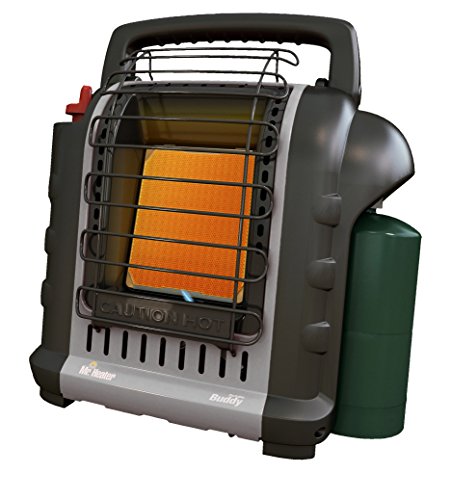
Type: Portable Propane Radiant Heater. Key Features: 4,000–9,000 BTU Output, Indoor/Outdoor Approved, Auto Shut-Off For Tip-Over, Pilot-Out, And Low-Oxygen Detection.
This Unit Uses A Propane Cylinder As Its Fuel Source And Produces Radiant Heat That Warms People And Objects Directly Rather Than Relying On Electricity To Run Fans Or Controls. It Is Rated For Spaces Up To 225 Square Feet And Is Designed For Indoor-Safe Operation With Safety Shutoff Sensors.
Relevance To No-Electric Scenarios: Because It Operates Without Electrical Power, This Heater Is Suitable For RVs, Cabins, Emergency Use, Or Outbuildings Where Electricity Is Unavailable. Safety Features Such As Oxygen Depletion Sensor (ODS) And Tip-Over Shutdown Are Important For Unattended Or Enclosed Use.
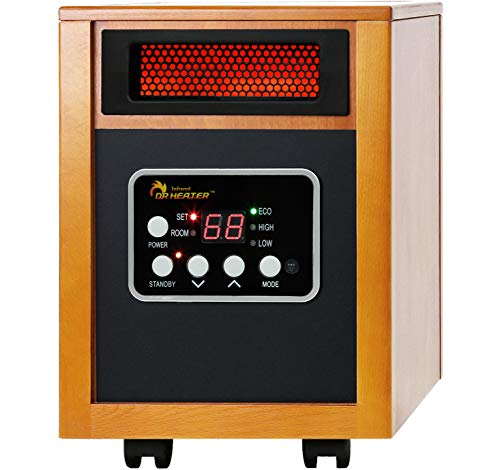
Dr Infrared Heater Portable Space Heater, Original
Call 888-896-7031 for Free Local HVAC Quotes – Compare and Save Today!
Type: Electric Dual Heating System (Infrared Quartz Tube + PTC). Key Features: 1500W, Remote Control, Auto Energy Saving Mode, Tip-Over And Overheat Protection, 12-Hour Timer, Quiet Blower.
This Model Delivers A Combination Of Infrared Quartz And PTC Ceramic Heat With A High-Pressure Low-Noise Blower For Faster Distribution. It Is Rated Around 5200 BTU Equivalent Heat Output, Aimed At Larger Rooms Where Quick Warmth And Quiet Operation Are Desired.
Relevance To No-Electric Scenarios: This Unit Requires Standard Household Power To Run The Heating Elements And Blower. As Such, It Is Not Suitable For Completely Off-Grid Use Without A Generator Or Inverter, But It Provides Efficient Electric Heating Where Power Is Present.
Dr Infrared DR-238 Carbon Infrared Outdoor Heater
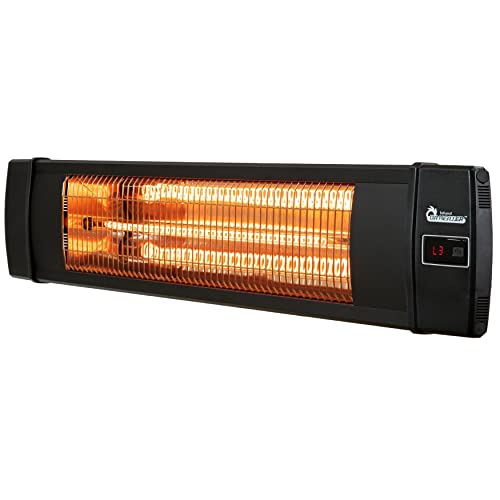
Type: Electric Infrared Outdoor Heater (IP55 Rated). Key Features: IP55 Weather Resistance, 3 Power Settings (900W/1200W/1500W), Remote Control, Plug-And-Go 120V Operation.
Designed For Indoor And Outdoor Use, This Carbon Infrared Heater Provides Instant, Odorless Heat Without Combustion. The IP55 Rating Makes It Tolerant Of Dust And Water Splashes, Suited For Patios, Garages, Or Open-Air Restaurants Where An Electric Supply Is Available.
Call 888-896-7031 for Free Local HVAC Quotes – Compare and Save Today!
Relevance To No-Electric Scenarios: This Model Requires AC Power To Operate. For Use Without Grid Power, It Would Need A Battery Inverter Or Generator. It Is Not A Fuel-Burning Or Self-Contained No-Electric Heater.
Dreo Space Heater (1500W PTC Ceramic)

Type: Electric PTC Ceramic Space Heater. Key Features: 1500W Hyperamics PTC, Precise Thermostat (41–95°F In 1°F Steps), 1–12H Timer, Tilt-Detection, Overheat Protection, Eco And Fan Modes.
This Unit Focuses On Precise Temperature Control And Safety, Using A Fast-Heating PTC Element And An Enhanced Chipset For Fine Adjustments. It Emphasizes Safety Materials And Sensors To Reduce Fire Or Tip-Over Risks.
Relevance To No-Electric Scenarios: The Heater Requires Standard Electrical Supply. While It Delivers Efficient Heat When Powered, It Does Not Operate Without Electricity And Would Not Be Suitable For Off-Grid Heating Without Ancillary Power Sources.
EZ-HEAT 1,500-Watt Milkhouse Style Utility Heater

Type: Electric Utility Heater (1500W). Key Features: Adjustable Thermostat, Overheat Protection, Tip-Over Switch, Low/High/Fan Settings, Designed For Garages/Workshops.
This Compact Utility Heater Targets Enclosed Workspaces And Garages With A Durable Design And Simple Controls. It Offers Multiple Heat Settings And A Fan-Only Option For Air Circulation Without Heat.
Relevance To No-Electric Scenarios: This Product Requires Electrical Power To Heat And To Run The Fan. It Is Built For Enclosed Spaces With Available Power And Is Not A No-Electric Heat Source.
Heat Storm HS-1000-WX-WIFI Infrared Wi-Fi Heater

Type: Electric Infrared Wall-Mount Heater (1000W). Key Features: Infrared Heating Of Objects, Safe-Touch Grill, Automatic Tip-Over Shutoff, Wall-Mount Design, Wi-Fi Control.
This Wall-Mounted Infrared Heater Is Designed To Save Floor Space And Provide Object-Heating Infrared Which Can Keep Rooms Feeling Warm After The Unit Turns Off. It Includes Modern Controls Such As Wi-Fi And Remote Operation.
Relevance To No-Electric Scenarios: The Unit Requires AC Power And Network Connectivity For Smart Features. It Is Not Intended For Use Without Electricity, Although Its Infrared Method May Extend Residual Warmth Compared To Fan-Forced Units.
Heat Storm HS-1500-ILODG Cabinet Heater
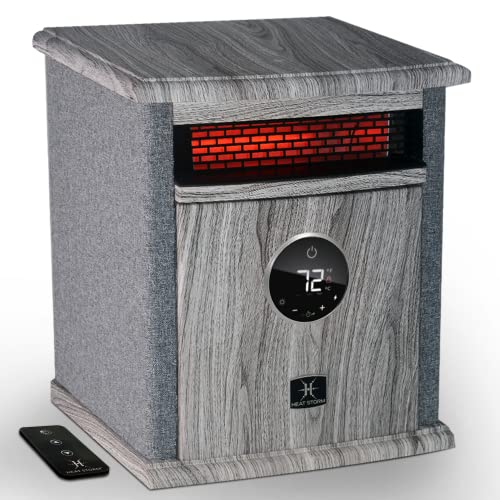
Type: Electric Cabinet-Style Heater (1500W). Key Features: Built-In Thermostat With LED, Remote, Patented Heat Exchanger, Humidity-Friendly Heating, Optional Casters, Energy-Efficient Mode.
The Cabinet Design Uses A Patented Heat Exchanger That Interacts With Room Humidity To Deliver Soft, Non-Drying Heat. The Unit Offers Remote Control, A Thermostat For Efficient Regulation, And A Reduced-Wattage Energy Mode.
Relevance To No-Electric Scenarios: As An Electric Appliance, This Model Requires Power To Run Its Electronics And Heating Elements. It Is Not A Standalone Option For No-Power Situations.
DR. INFRARED HEATER DR-978 Dual Hybrid Hybrid Portable Infrared Space Heater

Type: Electric Hybrid Dual Heating System (PTC + Infrared), 1500W. Key Features: Larger Blower, Low Noise, Remote, Safe For Children And Pets, High Heat Output (Approx. 5200 BTU).
This Hybrid Unit Blends Infrared And Convection Heating To Achieve Higher Output With Quiet Airflow. It Is Designed For Home Use Where Rapid Warmth And Safety Around Children/Pets Are Priorities.
Relevance To No-Electric Scenarios: The Heater Requires Household Electricity For Both The Heating Elements And The Blower. It Is Not Designed For Off-Grid Use Without A Power Source.
Buying Guide: Choosing A Heater For Use Without Electricity
When Selecting A Heater Intended To Work During Power Outages Or Off-Grid, Consider These Key Factors To Match The Heater To Your Needs.
- Fuel Source: True No-Electric Heaters Often Use Propane, Kerosene, Wood, Or Catalytic Combustion. Verify The Type Of Fuel And Availability In Your Area.
- Indoor Safety Ratings: If You Plan To Use A Fuel-Burning Heater Indoors, Look For Indoor-Safe Certifications And Features Such As Oxygen Depletion Sensors (ODS), Tip-Over Shutoff, And Flame Failure Protection.
- Ventilation Requirements: Combustion Heaters May Need Venting Or Adequate Room Ventilation. Ensure The Device’s Installation And Use Comply With Manufacturer Guidelines.
- Heat Output And Coverage: Compare BTU Ratings Or Manufacturer Coverage Estimates To Match The Heater To Room Size. Radiant Heat Sources Heat People/Objects Directly; Convection Heaters Warm Air.
- Runtime And Fuel Efficiency: For Propane Or Kerosene Heaters, Consider How Long A Fuel Cylinder Or Tank Will Last At Typical Settings.
- Portability And Mounting: Portable Propane Heaters Or Small Catalytic Units Can Be Moved; Wall-Mount Electric Infrared Models Offer Space-Saving Options But Require Power.
- Noise Level: Some Solutions (Propane Radiant, Catalytic) Are Near-Silent; Electric Units With Fans Produce Audible Noise. Consider Sleep And Work Environments.
- Power Alternatives: If You Need Electric Heaters Off-Grid, Plan For A Power Solution—Generator, Battery Bank With Inverter, Or Solar System—that Can Deliver Required Wattage.
- Safety Accessories: Keep Carbon Monoxide Detectors, Smoke Alarms, And Fire Extinguishers On Hand When Using Combustion Heaters Indoors Or In Enclosed Spaces.
- Regulatory And Usage Limits: Some Residential Buildings, Campgrounds, Or RV Parks Restrict Fuel-Type Heaters. Verify Rules Before Use.
Comparison Perspectives
No-Electric Operation: Among The Listed Products, The Mr. Heater Buddy Is The Primary Unit That Operates Without Electricity, Using Propane As Its Fuel.
Electric Efficiency: Electric PTC And Infrared Models (Dr Infrared, Dreo, Heat Storm, EZ-HEAT) Offer Fast Warmth And Safety Features But Require Grid Power Or A Back-Up Generator/Inverter For Off-Grid Use.
Heat Distribution: Radiant Heaters (Propane Or Infrared) Deliver Direct Heating To People/Objects, Which Can Feel Warmer In Cold Drafts. Convection Units With Blowers Circulate Warm Air More Evenly In Enclosed Spaces.
Safety Trade-Offs: Fuel-Burning Heaters Provide independence From Power But Require Monitoring For Combustion Risks. Electric Heaters Remove Combustion Risks But Depend On Available Electricity.
Use Cases: For Emergency Off-Grid Heat In A Small Space Or RV, A Propane Radiant Heater With ODS Is A Practical Choice. For Supplementary Indoor Heating Where Power Is Reliable, Electric Infrared Or PTC Units Provide Controlled, Safe Comfort.
Tips for Getting the Best HVAC Prices
- Prioritize Quality Over Cost
The most critical factor in any HVAC project is the quality of the installation. Don’t compromise on contractor expertise just to save money. - Check for Rebates
Always research current rebates and incentives — they can significantly reduce your overall cost. - Compare Multiple Quotes
Request at least three estimates before making your choice. You can click here to get three free quotes from local professionals. These quotes include available rebates and tax credits and automatically exclude unqualified contractors. - Negotiate Smartly
Once you've chosen a contractor, use the proven strategies from our guide — How Homeowners Can Negotiate with HVAC Dealers — to get the best possible final price.