
Keep Hens Warm through cold spells with a safe, reliable hen house heater. Below is a quick comparison of the top five heaters selected for chicken coops, brooders, and small animal shelters.
| Product | Type | Key Feature |
|---|---|---|
| PetJoyAdd Dog House Heater | Wall-Mounted Electric | Dual 300W/600W settings, anti-chew cord |
| Heat Tec Pet Warmer (300W) | Thermostatic Dry Heater | Chew-resistant cord, long life cycle |
| Briidea 400W Dog House Heater | PTC Electric Heater | Rapid PTC heating, adjustable 32–122°F |
| Rite Farm Red Brooder Bulb | Heat Lamp Bulb | Radiant red brooder heat for chicks |
| AEGONAN 600W Utility Heater | Convection Utility Heater | Built-in thermostat for freeze protection |
Content Navigation
PetJoyAdd Dog House Heater

This wall-mounted pet house heater is designed for small animal shelters including chicken coops, dog houses, and rabbit hutches. It offers two power modes: 300W and 600W, with rapid warm-up capability. The product description highlights fast heating that can affect spaces up to roughly 150 sq. ft. in short timeframes.
Key safety features include an anti-overheating thermostat, insulated surfaces to prevent burns, and an anti-chew cord. The compact footprint (about 6.9 x 5.2 x 5.7 inches) supports wall mounting to keep the unit out of reach of chickens and reduce fire risk. ROHS certification is listed, indicating compliance with certain safety standards.
Best applications: small to medium coops where a wall-mounted dry heat source and chew protection are priorities. Consider mounting height and placement to distribute heat without blowing directly onto birds.
Heat Tec Pet Warmer 300W

Call 888-896-7031 for Free Local HVAC Quotes – Compare and Save Today!
The Heat Tec Pet Warmer is a thermostatically controlled 300W heater delivering safe, dry heat for confined areas up to specified cubic feet. The design emphasizes durability—rated for up to 100,000 on/off cycles—and safety with a chew-resistant cord and internal heat shielding.
Installation is simple: plug into a 110V outlet and mount or place per manufacturer guidance. Heat Tec specifies efficient operation for small animal spaces. The unit’s dry heat reduces humidity-related problems compared with open-flame or lamp solutions, making it suitable for coops housing older birds, broody hens, or isolated birds needing steady warmth.
Best applications: enclosed small coops, brood boxes, and hutches where a thermostatic, low-wattage dry heater is preferred over radiant lamps.
Briidea 400W Dog House Heater

The Briidea unit uses PTC heating technology for near-instant warming in about 3 seconds and includes a dual ball-bearing fan to distribute heat. The temperature range is adjustable from 32°F to 122°F, with a digital display and auto-off cycles to regulate ambient conditions.
Safety features include a chew-resistant 11.5-foot cord and UL certification for the cord. The heater’s cycle includes an extra fan run after reaching set temperature to spread heat evenly before shutting off, which helps maintain consistent coop temperatures without continuous running.
Call 888-896-7031 for Free Local HVAC Quotes – Compare and Save Today!
Best applications: coops or brooders needing fast, thermostat-controlled heat with distribution by fan. Consider noise tolerance and mounting location where the fan can circulate air effectively without chilling drafts.
Rite Farm Red Brooder Bulb
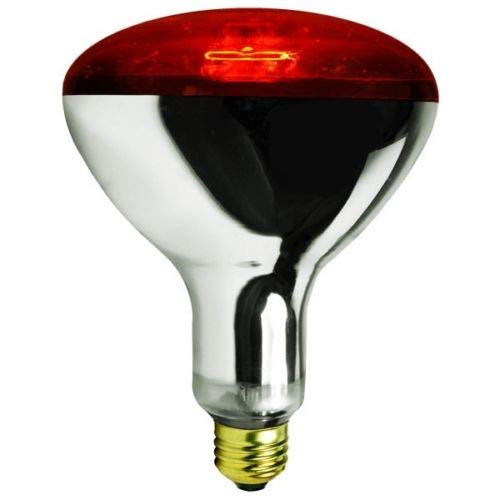
Radiant brooders like the 125W red brooder bulb provide direct radiant heat ideal for chicks, poults, and small poultry populations. Red bulbs reduce light stress and pecking behavior compared to white lamps, while delivering focused warmth where needed.
Brooder bulbs provide radiant heat rather than warming the entire coop, making them efficient for localized heating of young birds. They are typically used with a secure lamp fixture and guard to prevent direct contact and reduce fire risk. Bulbs require careful mounting height adjustments as chicks grow or ambient conditions change.
Best applications: brooders, brooding boxes, and temporary localized heating for baby chicks and small groups. Use in conjunction with safe mounts, guards, and temperature monitoring to avoid overheating or fire hazards.
AEGONAN 600W Utility Heater

The AEGONAN utility-style heater is engineered for freeze protection and remote locations like pump houses, but it can be applied to larger, insulated coop spaces. It uses convection heating with aluminum fins to transfer heat efficiently and includes a built-in digital thermostat with a 40°F–105°F range.
Designed with no moving parts for reliability, this heater suits applications that require continuous, low-maintenance operation during long cold periods. Overheat protection and a digital display support stable operation to prevent extreme temperature swings that could stress birds.
Best applications: larger enclosed coops, pump-house-style shelters, and remote outbuildings where continuous convection heat and thermostat control are preferred for equipment or flock protection.
Buying Guide: Choosing A Hen House Heater
Selecting a suitable hen house heater requires balancing safety, heat type, capacity, and control.
Heat Type
- Radiant Heat (heat lamps/bulbs): Direct warmth, ideal for brooders and chicks. Provides targeted heat but can create uneven temperatures and higher fire risk if fixtures are insecure.
- Convection/Dry Heat (utility and wall heaters): Warms air in the space for more even ambient temperatures. Safer for adult flocks when properly positioned and maintained.
- PTC/Fan-Assisted: Rapid heating with better distribution using a fan. Good for small to medium coops with ventilation considerations.
Safety Features
- Thermostat/Temperature Control: Prevents overheating and keeps temperatures stable. Digital thermostats offer precise settings and probes for external placement.
- Overheat Protection: Automatic shutoff when internal components exceed safe temperatures.
- Chew-Resistant Cords & Insulated Surfaces: Important for coops where animals may access cords or chew.
- Mounting & Guards: Secure wall mounting and lamp guards reduce contact and fire hazards. Place heaters out of direct bedding contact and ensure fixtures are rated for the environment.
Size, Capacity, And Wattage
- Match heater output to coop volume rather than floor area alone; account for ceiling height and insulation. A small, insulated coop needs less wattage than a large, uninsulated one.
- Common options: 100–400W for brooders and small coops; 600–1500W units for larger or poorly insulated spaces. Use thermostat control to modulate output.
Installation And Placement
- Mount heaters high enough to avoid direct contact and to distribute heat. Wall-mounted units should be secured per manufacturer instructions.
- For bulbs, use protective guards and fixtures rated for barn/coop use; avoid flammable proximity to straw and bedding.
- Ensure good ventilation to prevent condensation and ammonia build-up; heat without sealing out fresh air entirely.
Power Source And Reliability
- Confirm mains voltage compatibility (typically 110–120V in U.S. coops) and cord length to reach outlets safely.
- For remote coops consider low-maintenance convection units or install GFCI-protected circuits. Battery or solar alternatives exist for off-grid setups but require separate planning.
Maintenance And Longevity
- Choose units with easy-to-clean surfaces and replaceable components. Dry heaters with no moving parts often require less maintenance than fan-equipped models.
- Inspect cords, mounts, and protective guards regularly for chew damage, wear, and corrosion in humid environments.
Animal Age And Condition
- Chicks and newly hatched birds need localized radiant heat and higher temperatures in brooders.
- Adult hens typically require moderate ambient heating; avoid overheating which can cause stress and reduced egg production.
- Consider supplemental localized heat for older, injured, or broody birds rather than heating the entire coop.
Comparison Perspectives
- Safety vs. Speed: Radiant bulbs heat fast but carry higher fire risk; thermostatic electric heaters are safer but may heat more slowly.
- Energy Use vs. Coverage: Higher wattage covers more space but consumes more energy — thermostats and automatic cycles reduce runtime and costs.
- Durability vs. Complexity: Simple convection heaters with no moving parts last longer with less to fail. Units with fans and digital controls offer precision but add potential failure points.
Use the guide above to match a heater’s characteristics to your coop size, insulation level, flock age, and safety needs. Ensure any device installed in a hen house meets relevant electrical and fire safety standards, is mounted securely, and is monitored regularly.
Tips for Getting the Best HVAC Prices
- Prioritize Quality Over Cost
The most critical factor in any HVAC project is the quality of the installation. Don’t compromise on contractor expertise just to save money. - Check for Rebates
Always research current rebates and incentives — they can significantly reduce your overall cost. - Compare Multiple Quotes
Request at least three estimates before making your choice. You can click here to get three free quotes from local professionals. These quotes include available rebates and tax credits and automatically exclude unqualified contractors. - Negotiate Smartly
Once you've chosen a contractor, use the proven strategies from our guide — How Homeowners Can Negotiate with HVAC Dealers — to get the best possible final price.