
Finding a high-BTU space heater means balancing output, fuel type, and safety. Below is a concise comparison table of top high-BTU and high-output space heaters selected for wide-area heating, job-site use, or large rooms.
| Product | Type | Max BTU / Output | Best For |
|---|---|---|---|
| ProCom BF10M-B | Blue Flame (Natural Gas/LP) | 10,000 BTU | Small rooms, wall-mount use |
| Dura Heat EUH1465 | Electric Forced Air | ~5,120 BTU (1500W) | Garages, workshops, quick spot heating |
| DR. INFRARED HEATER DR-978 | Hybrid Infrared + PTC Electric | ~5,200 BTU | Large rooms, quiet home use |
| Mr. Heater MH60QFAV | Propane Forced-Air | 60,000 BTU | Worksites, large open areas |
| Dreo Space Heater 30″ | Electric Ceramic Tower | Equivalent output for up to 300 ft² | Large rooms, oscillation heat distribution |
Content Navigation
- ProCom BF10M-B Ventless Dual Fuel Heater
- Dura Heat EUH1465 Electric Forced Air Heater
- DR. INFRARED HEATER DR-978 Hybrid Portable Heater
- Mr. Heater MH60QFAV 60,000 BTU Propane Heater
- Dreo Space Heater Large Room 30″ Ceramic Tower
- Buying Guide: Choosing A High-BTU Space Heater
- 1. BTU Vs. Room Size And Heat Delivery
- 2. Fuel Type: Electric, Propane, Or Natural Gas
- 3. Heat Distribution & Technology
- 4. Safety Features And Indoor Use Constraints
- 5. Portability, Mounting, And Installation
- 6. Noise, Controls, And Convenience
- 7. Efficiency, Run Time, And Operating Cost
- 8. Use Case Scenarios And Recommendations
ProCom BF10M-B Ventless Dual Fuel Heater

The ProCom BF10M-B is a compact blue-flame heater designed for natural gas or liquid propane. It produces a maximum of 10,000 BTU and is rated to heat up to about 300 square feet. Manual low-medium-high control offers simple, reliable adjustments without electronics.
Key features include dual-fuel capability, included wall-mount hardware and base feet, and a slim modern profile. As a ventless blue-flame unit, it uses combustion inside the room, so consider ventilation and local codes before installation. This model is positioned for residential spaces such as bedrooms, offices, and living rooms where fixed or floor placement is needed.
Dura Heat EUH1465 Electric Forced Air Heater
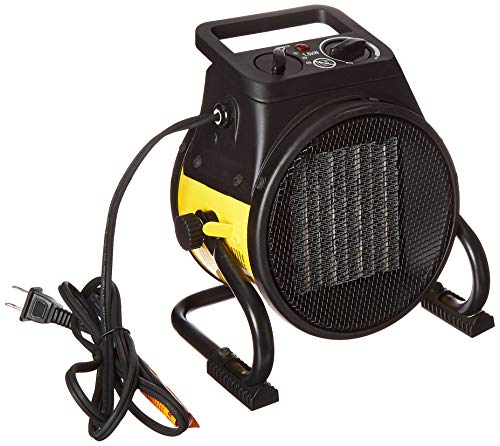
The Dura Heat EUH1465 is a 1500W PTC ceramic forced-air heater, providing rapid warm air and an estimated output around 5,120 BTU. Built from rugged steel, it’s intended for garages, workshops, and commercial spaces where durability and portability matter.
Call 888-896-7031 for Free Local HVAC Quotes – Compare and Save Today!
Controls include heat and fan-only settings for flexible use as a warmer or air circulator. The pivoting base allows directional heating. As an electric unit, it requires only standard power and has no fuel emissions, making it suitable for indoor use where open-flame or combustion is not desired.
DR. INFRARED HEATER DR-978 Hybrid Portable Heater

The DR. INFRARED DR-978 combines PTC electric heating with infrared elements for greater heat feel and penetration. Rated at about 5,200 BTU/hour, it uses a larger blower to circulate air with relatively low noise, and includes a remote for convenience.
Designed with safety in mind, it has no exposed heating elements, making it safer around children and pets. The hybrid system aims to deliver faster warmth and improved energy use compared to single-element heaters. This unit suits homeowners seeking quiet but powerful electric heating for living rooms or bedrooms.
Mr. Heater MH60QFAV 60,000 BTU Propane Heater

The Mr. Heater MH60QFAV is a high-capacity forced-air propane heater delivering up to 60,000 BTU. It targets large open spaces like construction sites, warehouses, and outdoor-event areas. The heater features adjustable output (30,000–60,000 BTU) and Mr. Heater’s QBT technology for reduced noise compared to standard models.
Call 888-896-7031 for Free Local HVAC Quotes – Compare and Save Today!
Designed for portability and high output, it runs on disposable or refillable tanks and can operate for extended periods depending on tank size and output setting. As a combustion-based forced-air unit, it’s intended primarily for well-ventilated or outdoor applications; follow manufacturer guidance on ventilation and safe operation.
Dreo Space Heater Large Room 30″ Ceramic Tower

The Dreo 30″ Space Heater is an electric ceramic tower featuring a large PTC element and customizable oscillation up to 120°. It’s engineered to cover rooms up to 300 square feet with multi-level heat and fan settings and offers nine comfort levels including ECO mode.
Safety features are comprehensive: flame-retardant materials, cool-touch housing, tip-over and overheat protection, and a child lock. The adjustable oscillation and timer cater to living spaces where even heat distribution and quiet operation matter. As an electric solution, it’s free of combustion emissions and requires only household power.
Buying Guide: Choosing A High-BTU Space Heater
Selecting a high-BTU space heater requires matching output, fuel type, and application. Below are the core considerations and comparison angles to help make an informed choice.
1. BTU Vs. Room Size And Heat Delivery
- BTU Ratings indicate thermal energy output; higher BTU suits larger, less insulated spaces.
- For open work areas or garages, consider units in the tens of thousands of BTU (propane forced-air).
- For living rooms and bedrooms, electric or blue-flame units around 5,000–10,000 BTU often provide adequate comfort.
- Remember that electrical wattage can be converted to BTU (1 watt ≈ 3.41 BTU) for comparisons.
2. Fuel Type: Electric, Propane, Or Natural Gas
- Electric Heaters (PTC, ceramic, infrared): Clean indoor use, plug-in convenience, quieter; suitable for homes and offices.
- Propane Forced-Air: Very high BTU and mobile for work sites; requires ventilation and outdoors or well-ventilated spaces.
- Natural Gas / Dual-Fuel (Blue Flame): Efficient for indoor home heating when a proper gas hookup is available; ventless units require attention to indoor air quality and codes.
3. Heat Distribution & Technology
- Forced Air pushes warm air quickly to a target area—good for rapid heating.
- Infrared heats objects and people directly, often feeling warmer at lower air temperatures.
- Hybrid Systems (PTC + infrared) combine benefits for faster, more even warmth.
- Oscillation, fan speeds, and blower size impact how widely heat spreads across a room.
4. Safety Features And Indoor Use Constraints
- For indoor environments, prefer units with tip-over protection, overheat shutoff, and cool-touch surfaces.
- Combustion heaters (propane, natural gas) often require ventilation and carbon monoxide awareness; follow manufacturer and local building codes.
- Check certifications (ETL, CSA) for electrical safety and compliance.
5. Portability, Mounting, And Installation
- Portable units are ideal for temporary or task heating; larger propane units may require wheels or handles.
- Wall-mountable blue-flame or fixed units can save floor space but need proper secure installation.
- Consider electrical circuit capacity; high-wattage electric heaters may require dedicated circuits or limit use on multi-outlet circuits.
6. Noise, Controls, And Convenience
- Worksite forced-air heaters will be louder than indoor electric heaters; QBT technology reduces noise in some models.
- Remote controls, timers, thermostats, and adjustable output improve usability and energy savings.
- Look for ECO or auto energy-saving modes to reduce runtime and electricity use.
7. Efficiency, Run Time, And Operating Cost
- Compare energy input vs. useful heat: electric heaters convert nearly all input to heat, while fuel heaters’ efficiency depends on combustion and heat loss.
- For portable propane, tank size and BTU setting determine run time; for electric, wattage determines power draw and cost on your utility rates.
- Hybrid heaters can give better perceived warmth at lower energy consumption in some conditions.
8. Use Case Scenarios And Recommendations
- Large Open Worksite: High-BTU propane forced-air (e.g., Mr. Heater MH60QFAV) for rapid, powerful heat with ventilation planning.
- Garage/Workshop: Rugged electric forced-air (e.g., Dura Heat) for durability and indoor-safe operation.
- Living Room/Bedroom: Hybrid infrared or ceramic tower (e.g., DR. INFRARED DR-978 or Dreo 30″) for quieter, even indoor comfort.
- Fixed Home Backup Heat: Ventless blue-flame dual-fuel (e.g., ProCom BF10M-B) where allowed and properly installed.
When comparing units, weigh BTU output against the heater’s delivery method, required installation, and safety profile for intended use. Match the heater to the space type—small bedrooms, large open shops, or outdoor work areas—to ensure the right balance of power and safety.
Tips for Getting the Best HVAC Prices
- Prioritize Quality Over Cost
The most critical factor in any HVAC project is the quality of the installation. Don’t compromise on contractor expertise just to save money. - Check for Rebates
Always research current rebates and incentives — they can significantly reduce your overall cost. - Compare Multiple Quotes
Request at least three estimates before making your choice. You can click here to get three free quotes from local professionals. These quotes include available rebates and tax credits and automatically exclude unqualified contractors. - Negotiate Smartly
Once you've chosen a contractor, use the proven strategies from our guide — How Homeowners Can Negotiate with HVAC Dealers — to get the best possible final price.