
Choosing the right heater for a hot tub involves matching fuel type, capacity, and installation requirements to your spa setup. The table below summarizes five relevant heating solutions — from dedicated natural gas spa heaters to tankless gas units, stainless steel coil exchangers, flow‑thru heater housings, and replacement spa elements.
| Product | Type | Brand |
|---|---|---|
| Hayward Universal H‑Series 150,000 BTU | Natural Gas Pool & Spa Heater | Hayward |
| Rinnai V75IN 7.5 GPM | Tankless Gas Water Heater (Indoor) | Rinnai |
| QUELECO Stainless Steel Coil | Wood‑Fire Heat Exchanger (No Fuel) | QUELECO |
| FATCANMA Spa Flow‑Thru Heater Housing | Flow‑Thru Heater Assembly Housing | FATCANMA |
| VODCACA Replacement Hot Tub Heater | Electric Spa Heater Element (Replacement) | VODCACA |
Content Navigation
- Hayward W3H150FDN 150,000 BTU Natural Gas
- Rinnai V75IN 7.5 GPM Tankless Gas Heater
- QUELECO Stainless Steel Coil Heat Exchanger
- FATCANMA Spa Flow‑Thru Heater Assembly Housing
- VODCACA Replacement Hot Tub Heater Element
- Buying Guide: Choosing The Right Hot Tub Heater
- Fuel Type And Availability
- Heating Capacity And Recovery Rate
- Compatibility With Existing Controls And Plumbing
- Materials And Corrosion Resistance
- Installation Requirements And Safety
- Efficiency And Operating Costs
- Reliability, Serviceability, And Replacement Parts
- No‑Power And Alternative Heating Options
- Environmental And Regulatory Considerations
- Multiple Comparison Perspectives
Hayward W3H150FDN 150,000 BTU Natural Gas

Overview: The Hayward Universal H‑Series is a purpose‑built natural gas heater designed for in‑ground pools and spas with a 150,000 BTU capacity.
- Heat Exchanger: Cupro nickel heat exchanger for enhanced corrosion protection and extended life in unbalanced water chemistry.
- Hydraulic Efficiency: Industry‑leading hydraulic design reduces circulation pump runtime and improves energy efficiency.
- Performance: Delivers reliable, sustained heating for larger hot tubs or connected pool/spa systems.
- Installation Notes: Intended for in‑ground pool and spa systems; requires proper gas line sizing, venting, and certified installation per local code.
Best Use Cases: Homes with natural gas supply seeking a high‑capacity, dedicated spa/pool heater that prioritizes durability in demanding water conditions. The cupro nickel exchanger targets longevity where water chemistry may vary.
Rinnai V75IN 7.5 GPM Tankless Gas Heater
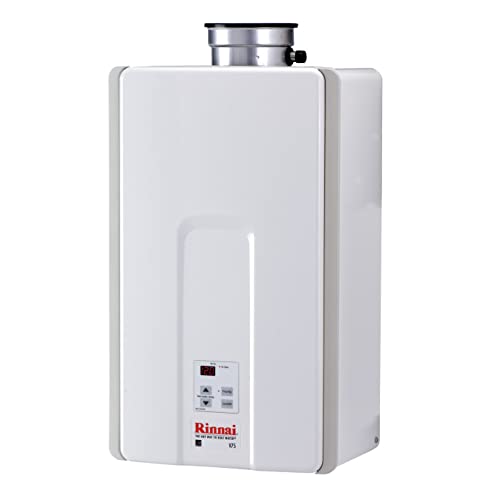
Overview: The Rinnai V75IN is a residential indoor tankless natural gas water heater rated for up to 7.5 GPM, designed to deliver continuous hot water for multiple outlets.
Call 888-896-7031 for Free Local HVAC Quotes – Compare and Save Today!
- Endless Hot Water: Tankless design provides continuous hot water on demand without a storage tank.
- Energy Efficiency: Only heats when needed, reducing standby losses compared with tank systems.
- Scale Detection: Features scale management to reduce risk of long‑term damage in hard water areas.
- Flow Rate: Up to 7.5 GPM, suitable for circulating a hot tub while also handling other domestic demands depending on system plumbing.
Best Use Cases: Installations where a tankless gas unit can supply a hot tub via dedicated recirculation plumbing or where homeowners want multi‑appliance hot water with high flow. Requires indoor installation and venting strategies compatible with hot tub piping and controls.
QUELECO Stainless Steel Coil Heat Exchanger

Overview: This food‑grade 304 stainless steel spiral coil is a customizable heat exchanger intended for outdoor wood‑fire heated hot tubs or Dutch baths.
- Customizable: Dimensions, water connector types, and heat exchange capacity can be specified to fit the tub setup.
- Material: 304 stainless steel tubing for improved corrosion resistance versus copper in some environments.
- Specifications: Listed as 1″ OD tubing, 0.06″ wall, 29′ total length with 3/4″ male NPT connections.
- No Fuel Required: Operates using heat produced by burning wood in a firebox; suitable for off‑grid or alternative‑fuel setups.
Best Use Cases: Owners of wood‑fired or off‑grid hot tubs seeking a durable spiral coil heat exchanger that can be tailored to their system. Not a gas heater, but relevant as an alternative heating method where gas is unavailable or undesirable.
FATCANMA Spa Flow‑Thru Heater Assembly Housing

Overview: A stainless steel flow‑thru heater manifold and housing designed for compatibility with select spa control systems and heater elements.
Call 888-896-7031 for Free Local HVAC Quotes – Compare and Save Today!
- Compatibility: Designed for Jacuzzi, Sundance, Spa Builders, and Pinnacle spa controls and certain element sizes.
- Dimensions: Flow‑thru manifold size of 2″ x 15″ with 2″ split nut unions.
- Material Quality: Stainless steel construction intended for stability in humid and corrosive spa environments.
Best Use Cases: When replacing or upgrading the flow‑thru housing for an existing spa heater element, or when configuring a custom heater assembly that pairs a separate element with a compatible housing. This part supports reliable plumbing integration for electric or aftermarket heating elements and housings.
VODCACA Replacement Hot Tub Heater Element
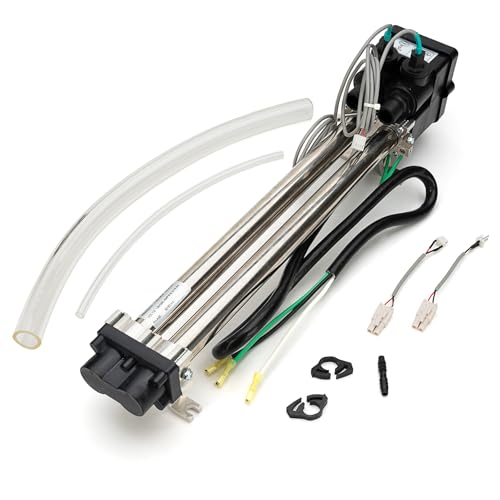
Overview: An electric replacement heater element compatible with many hot spring, Watkins, Tiger River, Limelight and similar spa models, available in 120V/1kW and 240V/4kW variants.
- Broad Compatibility: Fits MATRIX model 26‑C3160‑2S and replaces part numbers like C3160‑2, C3564‑2, 73791, 73039 and others.
- Functional Uses: Suitable for hot tubs, spas, and some inflatable pools as a replacement electric heating element.
- Safety Features: Titanium steel construction and built‑in overheating protection that stops heating at dangerously high temperatures.
Best Use Cases: Spa owners needing a direct electric element replacement rather than a gas system. Helpful when the original electric heater fails and the plumbing/controls are configured for an inline electric element.
Buying Guide: Choosing The Right Hot Tub Heater
Selecting a heater for a hot tub involves several technical and practical factors. Below are key considerations and comparison perspectives to match the best solution to your setup.
Fuel Type And Availability
Natural Gas and propane pool/spa heaters offer high BTU output and rapid recovery but require a proper gas line, venting, and local code compliance. Tankless gas units can provide continuous hot water and feed a tub if piped correctly. Electric elements are common for in‑built spa systems and are simpler to install where adequate electrical service exists. Wood‑fired coils are ideal for off‑grid or aesthetic setups without gas/electric service.
Heating Capacity And Recovery Rate
Match the heater’s BTU rating or kW output to tub volume and desired heat‑up time. Higher BTU/kW equals faster recovery. Consider ambient temperature, cover insulation, and desired temperature rise per hour when calculating required capacity.
Compatibility With Existing Controls And Plumbing
Confirm that the heater type is compatible with your tub’s control system, high‑limit switches, circulation pumps, and plumbing connectors. Replacement elements and housings must match the original part dimensions and electrical ratings.
Materials And Corrosion Resistance
Look for cupro nickel or stainless steel heat exchangers in gas systems for increased resistance to corrosion from unbalanced water. For replacement parts, titanium or stainless elements offer improved lifespan in reactive water.
Installation Requirements And Safety
Gas heaters require certified installation, proper venting, and correct gas line sizing. Tankless units need venting and condensate management depending on model. Electric elements require appropriate circuit breaker sizing and GFCI protection. Consider local codes and permit needs.
Efficiency And Operating Costs
Evaluate operational efficiency: tankless gas reduces standby losses; modern pool/spa gas heaters vary in thermal efficiency. Electric element costs depend on local electricity rates. Consider insulation and covers to minimize runtime and fuel use.
Reliability, Serviceability, And Replacement Parts
Choose heaters with accessible service parts and established support channels. For custom or aftermarket components, verify vendor support for replacement elements, manifolds, and control compatibility.
No‑Power And Alternative Heating Options
If grid power or gas is limited, consider wood‑fired heat exchangers or solar preheating in combination with a smaller backup heater. These solutions can reduce fuel needs and provide redundancy.
Environmental And Regulatory Considerations
Confirm emissions and venting compliance for gas appliances. Check whether local regulations restrict outdoor wood burning or require emission controls. Energy efficiency ratings and local incentive programs may influence the choice.
Multiple Comparison Perspectives
- Performance Perspective: Compare BTU/kW and recovery rates for rapid heat‑up vs. steady maintenance.
- Cost Perspective: Balance upfront installation complexity (gas venting, tankless venting, electrical upgrades) with long‑term fuel costs.
- Maintenance Perspective: Evaluate corrosion‑resistant materials and ease of replacing elements or exchangers.
- Operational Perspective: Consider runtime reduction strategies like hydraulic efficiency, insulated covers, and programmable thermostats.
Use these factors to narrow choices: for a dedicated gas solution in a permanent in‑ground spa, a purpose‑built natural gas pool/spa heater like the Hayward model is typically the starting point. For multiuse domestic hot water with tub support, a tankless unit can be effective. If you lack gas or grid power, stainless coil exchangers or solar/wood alternatives provide other pathways. Always verify compatibility with your spa’s controls and local codes before purchase.
Tips for Getting the Best HVAC Prices
- Prioritize Quality Over Cost
The most critical factor in any HVAC project is the quality of the installation. Don’t compromise on contractor expertise just to save money. - Check for Rebates
Always research current rebates and incentives — they can significantly reduce your overall cost. - Compare Multiple Quotes
Request at least three estimates before making your choice. You can click here to get three free quotes from local professionals. These quotes include available rebates and tax credits and automatically exclude unqualified contractors. - Negotiate Smartly
Once you've chosen a contractor, use the proven strategies from our guide — How Homeowners Can Negotiate with HVAC Dealers — to get the best possible final price.