
Choosing a hot tub setup with a gas heater or compatible gas-fired heating option means faster heat-up times and reliable performance for outdoor spas. Below is a concise overview table of five relevant products that address gas heating, wood-fired alternatives, and complete portable tubs that pair with on-site heaters.
| Product | Type | Key Heating Feature |
|---|---|---|
| Hayward Universal H-Series 150,000 BTU | Natural Gas Pool & Spa Heater | 150,000 BTU, cupro nickel heat exchanger |
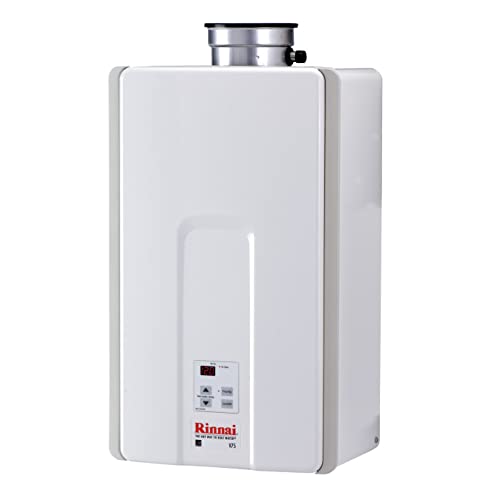
| Rinnai V75IN Tankless Water Heater | Natural Gas Tankless Heater | 7.5 GPM continuous hot water, indoor-rated |
| LifeSmart 4-Person Hot Tub | Portable Spa | Plug-and-play electric system; pairs with external heaters |
| Comfort Hot Tubs 6-Person Spa | Above Ground Hot Tub | High-capacity spa shell; insulation designed for year-round use |
| ALEKO External Wood-Burning Hot Tub Heater | Wood-Fired External Heater | Off-grid stainless steel wood-fired heating option |
Content Navigation
Hayward Universal H-Series 150,000 BTU

The Hayward W3H150FDN is a natural gas heater designed for in-ground pools and spas with a high heating capacity. It features a 150,000 BTU rating intended to provide fast recovery and maintain spa temperatures under heavier usage or colder ambient conditions.
Core listed features include a cupro nickel heat exchanger for enhanced corrosion resistance and longevity with unbalanced water chemistry, plus an industry-focused hydraulic design that aims to reduce pump run time. Those elements are relevant when pairing a gas heater with a hot tub to limit pump runtime and protect heat-exchange surfaces.
Installation notes: this unit is sized for inline plumbing and professional gas and venting installation. For backyard spas, verify gas supply line sizing, correct venting configuration, and compatibility with your spa’s circulation pump flow rates before purchase.
Rinnai V75IN Tankless Hot Water Heater
Call 888-896-7031 for Free Local HVAC Quotes – Compare and Save Today!
The Rinnai V75IN is a compact indoor-rated tankless natural gas unit providing up to 7.5 GPM of continuous hot water. Tankless systems deliver on-demand hot water and can be integrated into some spa or hot-tub setups as a supplemental heater for showers or indoor utility, though outdoor spa integration requires proper heat-exchange or circulation design.
Listed features highlight energy efficiency by heating only when required, enhanced scale detection, and a performance flow rate that supports multiple fixtures. While designed for domestic hot water, its compact footprint and continuous output make it a candidate for custom spa heating systems when paired with a properly designed heat exchanger or buffer tank.
Considerations include venting, gas supply, freeze protection for outdoor plumbing, and ensuring the unit’s flow characteristics match spa circulation requirements if used as part of a hot tub heating solution.
LifeSmart 4-Person Portable Hot Tub

The LifeSmart 4-person hot tub is a portable spa with 13 high-powered jets and a plug-and-play 110V electrical system. It’s designed for easy setup in yards and patios without complex wiring, making it a popular entry-level spa option.
Although this tub uses an electric pump and heater by design, portable spas like LifeSmart can be adapted in some cases to work with external heating sources (for example, external wood or gas heaters) if plumbing and heat transfer components are correctly configured. The tub’s shell, seating, and jet distribution are primary features listed for comfort and usability.
Call 888-896-7031 for Free Local HVAC Quotes – Compare and Save Today!
Important compatibility checks include verifying flow rate and connector sizes before attempting to pair the tub with any external gas-fired or wood-fired heating apparatus to ensure safe and efficient heat transfer.
Comfort Hot Tubs 6-Person Outdoor Spa

The Comfort Hot Tubs 6-person spa offers a large capacity shell with up to 44 jets and design features aimed at year-round outdoor use, including insulation and heating compatibility considerations. The product’s description emphasizes durability and the ability to reach a maximum temperature of 104°F, consistent with typical spa standards.
When integrating a gas heater with a larger hot tub like this, assess the spa’s pump flow rate, plumbing diameter, and built-in thermostat controls. A gas heater sized appropriately can reduce recovery time for larger volumes of water compared to electric heaters.
Factors to confirm: manufacturer recommendations for external heater connections, the spa control system’s ability to handle external temperature inputs, and the physical routing for gas piping and combustion ventilation in outdoor installations.
ALEKO External Wood-Burning Hot Tub Heater

The ALEKO external wood-burning heater is an off-grid stainless steel option that heats hot tub water without electricity or natural gas. It’s described as equivalent to a 10–15 kW electric heater and connects to tubs via included high-temperature silicone pipes and clamps.
Key listed features: rust- and corrosion-resistant stainless steel construction, included connection pipes sized at 2-3/5-inch outer diameter, and an iron anti-scald chimney cover. Its design suits backyard tubs and vacation rentals where gas or electrical connections may be impractical.
Operational considerations include the need for regular fire tending, ensuring safe clearance and chimney routing, and confirming the hot tub’s materials and plumbing can handle the flow and temperatures produced by a wood-fired exchange system.
Buying Guide: Choosing A Hot Tub With Gas Or Alternative Heater
Selecting the right hot tub and heater combination involves multiple technical and lifestyle factors. Below are key considerations grouped by theme to help narrow options.
Heating Type And Performance
- Natural Gas Heaters deliver fast recovery and high BTU output. Verify BTU rating vs. tub volume and expected heat loss (wind, ambient temps, insulation).
- Tankless Gas Units provide continuous hot water but may require a heat exchanger or buffer tank for constant spa circulation integration.
- Wood-Burning Heaters are off-grid, provide high-temperature heating without utilities, but require active tending and safe clearances.
- Electric Heaters are simpler to install for portable tubs but typically have slower recovery for large volumes.
Compatibility And Flow Requirements
- Match heater flow requirements to your spa pump’s flow rate. Too low flow can cause overheating or heater lockout; too high flow may reduce heat transfer efficiency.
- Check plumbing diameters and connector types. Off-the-shelf portable tubs often use 1.5″ or specified fittings—ensure adapter or custom plumbing is feasible.
- Confirm heater control compatibility with the spa’s thermostat and safety interlocks to avoid operational conflicts.
Material Durability And Water Chemistry
- Heat exchanger materials matter: cupro-nickel and 316/304 stainless steel resist corrosion better than plain copper in poorly balanced water.
- Maintain proper sanitizer and pH levels to extend heater and heat-exchanger life. Corrosive water chemistry accelerates failure regardless of material choice.
Installation, Venting, And Fuel Supply
- Natural gas heaters need properly sized fuel lines and professional connection. Verify local code and venting requirements for combustion safety.
- Tankless indoor units require correct venting and often freeze-protection measures when used with outdoor systems.
- Wood-fired systems need safe placement, spark protection, and proper chimney routing to minimize wildfire and injury risk.
Operational Costs And Efficiency
- Compare fuel cost and efficiency: natural gas unit BTU output vs local gas price, wood availability and labor for wood-fired, and electric rates for electric heaters.
- Look for hydraulic designs that reduce pump run time or allow for programmable circulation to limit energy use while maintaining temperature.
Safety And Controls
- Ensure thermostatic controls, high-limit shutoffs, and proper grounding where applicable. Gas heaters require built-in combustion safeguards and pressure relief if tied to a closed loop.
- For wood burners, verify that backflow prevention and temperature monitoring are in place to protect tub materials and users from scalding.
Size And Recovery Time
- Calculate tub water volume and desired heat-up window. Higher BTU ratings shorten recovery times but require suitable gas supply and venting.
- Insulation quality of the tub significantly affects recovery. Better-insulated shells reduce ongoing fuel consumption.
Installation Complexity And Local Regulations
- Gas and wood heating installations often require permits and professional trades (plumbers, HVAC, or certified technicians). Check local codes before purchase.
- Consider access for maintenance, replacement parts availability, and warranty terms specific to hot tub or heater brands.
Using the above perspectives—heating type, flow compatibility, materials, installation requirements, operating cost, and safety—you can compare units like the Hayward gas heater or alternatives such as tankless units and wood-fired exchangers to determine the best match for your hot tub setup.
Tips for Getting the Best HVAC Prices
- Prioritize Quality Over Cost
The most critical factor in any HVAC project is the quality of the installation. Don’t compromise on contractor expertise just to save money. - Check for Rebates
Always research current rebates and incentives — they can significantly reduce your overall cost. - Compare Multiple Quotes
Request at least three estimates before making your choice. You can click here to get three free quotes from local professionals. These quotes include available rebates and tax credits and automatically exclude unqualified contractors. - Negotiate Smartly
Once you've chosen a contractor, use the proven strategies from our guide — How Homeowners Can Negotiate with HVAC Dealers — to get the best possible final price.