
Humidity control is essential for wooden instruments like violins. A properly chosen violin case humidifier helps prevent cracks, warping, and glue damage while preserving tonal integrity. This guide highlights five reliable options, detailing how each version works, where it fits best, and what to consider when choosing between them. The selections focus on portability, safety inside cases, and long-term performance across climates.
| Product | Brand | Key Benefit |
|---|---|---|
| Arion In-Case Humidifier | ProTec | In-case moisture release designed for instrument parts and accessories |
| Dowite Violin Humidifier | Dowite | Safe, non-toxic silicone design; leak-resistant, travel-friendly |
| Boveda 49% Two-Way Humidity Control Pack | Boveda | Precise 49% RH with 2-way humidity control for predictable conditions |
| MusicNomad Humitar MN303 | MusicNomad | Even moisture release with dedicated case holster |
| Nan Yante Violin Humidifier Tube | Nan Yante | Reusable silicone design with long-lasting moisture control |
The following sections review each option, focusing on how it helps shield violin wood from drying and environmental stress. Consider your climate, instrument value, and how often you travel with the instrument to choose the best fit.
Content Navigation
Arion In-Case Humidifier

The Arion In-Case Humidifier from ProTec is designed to fit inside instrument cases as a compact moisture source. Its product type listing emphasizes use with instrument parts and accessories, with dimensions compact enough for most violin compartments. Suitable for players who want a straightforward, low-profile solution, this unit emphasizes containment and simplicity. In environments with fluctuating humidity, it can help stabilize local microclimates and reduce the risk of sudden wood movement that leads to cracks or glue separation.
Key considerations: compatibility with standard violin cases, ease of placement, and maintenance. While not as feature-rich as some 2-way packs, the Arion option offers a dependable baseline for case humidity management, especially when combined with other case protection strategies.
Dowite Violin Humidifier
Call 888-896-7031 for Free Local HVAC Quotes – Compare and Save Today!
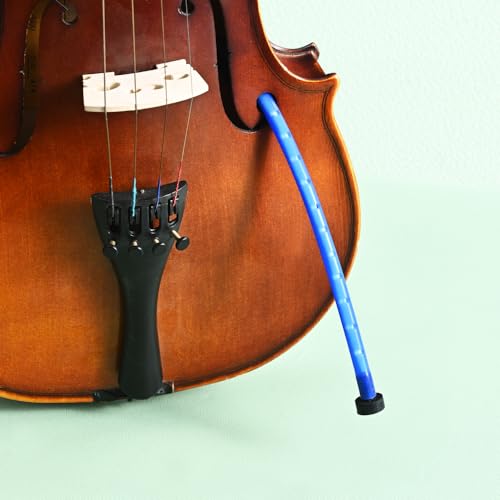
Dowite’s premium silica gel sound hole humidifier is designed to maintain a stable 45–55% RH, protecting against cracking and warping. Its silicone and breathable sponge core provide a safe, non-toxic design with a spill-resistant structure that minimizes the risk of leaks inside the case. The unit is described as compact and travel-friendly, making it suitable for musicians who move between studios, practice rooms, and performances. The emphasis is on long-term instrument longevity and preserving sound quality by avoiding excessive moisture buildup.
When evaluating this option, consider the balance between moisture retention and case security. The Dowite humidifier offers discrete operation without heavy maintenance, which can be appealing for players who require reliable performance on the go.
Boveda 49% Two-Way Humidity Control Pack (Single)

Boveda 49% RH packs provide precise, two-way humidity control, automatically absorbing or releasing moisture to stabilize the case environment. This approach is widely trusted for wood instruments, aiming to keep humidity within the ideal 45–55% range. The product description emphasizes natural ingredients and long-standing experience in humidity management for musical instruments. The 2-way control helps adapt to rapid environmental changes, reducing wood stress that can lead to cracks or warping.
Considerations include how many packs you need (one pack can influence a single case, while larger setups may require multiple packs or compatible holders) and ensuring the packs fit within your case setup without obstructing storage space for bows and accessories.
Boveda 49% Two-Way Humidity Control Pack (4 Pack)

Call 888-896-7031 for Free Local HVAC Quotes – Compare and Save Today!
This option provides four standard replacement packs, designed to cover multiple instruments or to sustain extended travel. As with the single pack, the 49% RH range helps prevent wood movement that leads to cracking and warping. The description underlines the longevity and trust behind Boveda’s two-way humidity solution, noting its 25 years of market experience and its ability to respond quickly to humidity fluctuations inside instrument cases.
Buyers should assess case size, storage arrangements, and replacement frequency. Having multiple packs on hand can reduce the risk of humidity deviations during long tours or in venues with significant climate changes.
MusicNomad Humitar MN303
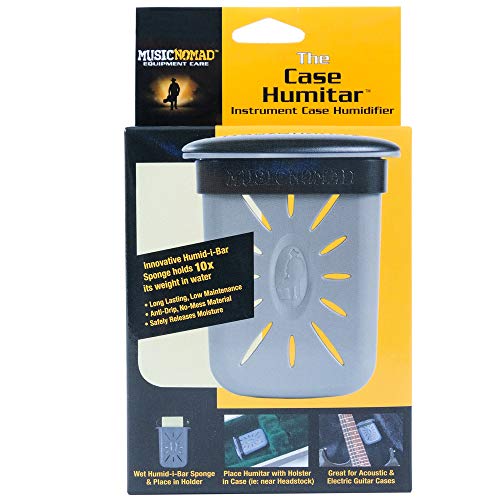
The Humitar MN303 from MusicNomad adds a case-specific solution with a dedicated holster and a moisture-release system. The Humitar uses an innovative Humid-I-Bar sponge capable of holding significant water while delivering moisture in a controlled, anti-drip manner. This design helps prevent warping, shrinking, and cracking, reducing direct contact of moisture with the instrument’s wood. The included holster ensures secure placement inside the case, which is beneficial for players who travel frequently or perform in varied climates.
Considerations include ease of installation, mess resistance, and whether the holster remains firmly attached after repeated opening and closing of the case. The Humitar’s approach emphasizes consistent moisture delivery without excess leakage.
Nan Yante Violin Humidifier Tube
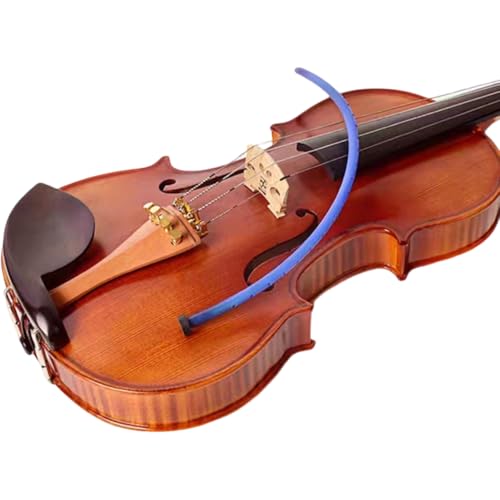
Nan Yante offers a reusable silicone humidifier tube designed for 4/4 to 1/2 violins, with a seven-day moisture retention capability. It emphasizes a leak-proof and silent operation, making it a favorable option for players who prioritize long-lasting humidity without audible or visual disturbances inside the case. The universal fit ensures compatibility across multiple violin sizes, preserving the instrument’s structural integrity over time.
When choosing this option, assess how easy the tube is to refill, how it fits within the sound hole, and whether it may affect the instrument’s tone or varnish finish—although claims highlight a non-damaging fit with reinforced silicone sealing to minimize spills.
Buying Guide: Key Purchase Considerations
Choosing the right violin case humidifier depends on climate, travel frequency, and instrument value. Here are core factors to evaluate:
- Humidity range and regulation: Look for products that hold the case environment within 45–55% RH to maintain wood stability and glue integrity.
- Leak risk and containment: Prioritize spill-resistant designs to avoid moisture contact with finishes or electronics inside the case.
- Ease of use and maintenance: Refill frequency, cleaning requirements, and replacement parts influence long-term usability.
- Portability and size: Compact, travel-friendly devices suit players who move between studios and venues, especially in varying climates.
- Interoperability with multiple cases: Some solutions suit a range of violin sizes or include holsters and holders for secure mounting.
- Two-way control vs. single-pack options: Two-way systems automatically compensate humidity fluctuations, while single packs require more careful monitoring.
- Safety and materials: Non-toxic materials and certified biocompatibility reduce risk to wood, varnish, and players, especially with frequent handling.
- Cost and replacement strategy: Consider initial cost alongside ongoing refills or replacement packs to maintain consistent protection.
In practice, a mixed approach often works best: combine a two-way system for ongoing stability with a small, discreet humidifier in the case as a backup during extreme climate shifts. Regularly inspect the instrument after flights or long stops to detect any early signs of dryness or moisture accumulation.
Tips for Getting the Best HVAC Prices
- Prioritize Quality Over Cost
The most critical factor in any HVAC project is the quality of the installation. Don’t compromise on contractor expertise just to save money. - Check for Rebates
Always research current rebates and incentives — they can significantly reduce your overall cost. - Compare Multiple Quotes
Request at least three estimates before making your choice. You can click here to get three free quotes from local professionals. These quotes include available rebates and tax credits and automatically exclude unqualified contractors. - Negotiate Smartly
Once you've chosen a contractor, use the proven strategies from our guide — How Homeowners Can Negotiate with HVAC Dealers — to get the best possible final price.