
Choosing a hydronic shop heater can improve comfort and efficiency in garages and workshops. This guide compares top hydronic and high-performance shop heaters suited for hydronic setups or where water-based heating integration is relevant. Below is a quick comparison table of the selected products followed by focused product overviews and a practical buying guide.
| Product | Type | Key Feature |
|---|---|---|
| American Royal 50,000 BTU 2 Speed Garage Heater | Hydronic Hanging Unit Heater | 50,000 BTU, 2-speed fan |
| Dayton Hydronic Electric Baseboard Heater | Hydronic Electric Baseboard | Commercial style hydronic baseboard |
| Maradyne Havasu Hydronic Automotive Heater | Hydronic Automotive/Under-dash | Uses engine coolant, 12V |
| CTSC 10000W Electric Garage Heater | Electric Fan-Forced Shop Heater | Hardwired 240V, digital thermostat |
| VEVOR 10000W Electric Garage Heater | Electric Fan-Forced Shop Heater | High-power 10000W, precise control |
Content Navigation
American Royal 50,000 BTU 2 Speed Garage Heater

This unit is a dedicated hydronic (hot water) hanging unit heater designed for garages and shops. Rated at 50,000 BTU, it functions as a hydronic air handler that distributes heat from a hot water source such as a boiler or wood boiler. The listed features include a new 2-speed fan and compatibility with hydronic systems, making it a suitable choice for shop spaces that already have a boiler loop.
Installation is typically ceiling- or wall-hung; it requires integration with a hot water supply and return. The two speed fan allows some control over air movement without electrical resistance heating, keeping the unit efficient when paired with a boiler. This model targets larger work areas where water-based heat is preferred over direct-fired or electric elements.
Dayton Hydronic Electric Baseboard Heater

The Dayton unit is listed as a hydronic electric baseboard heater intended for commercial applications. Its conventional housing style and commercial rating make it appropriate for shop areas that need perimeter hydronic heat. The specification notes operation at 120VAC with a listed amp draw and a modest BTU output for supplemental heat in smaller zones.
Call 888-896-7031 for Free Local HVAC Quotes – Compare and Save Today!
Hydronic baseboards are commonly used where low-profile heating is required along walls or under windows. This product suits shops that prefer distributed convective warmth rather than concentrated air streams. If integrating with a boiler loop is the goal, confirm compatibility for water-based circuits or hybrid electric-hydronic installations as indicated in the product details.
Maradyne Havasu Hydronic Automotive Heater
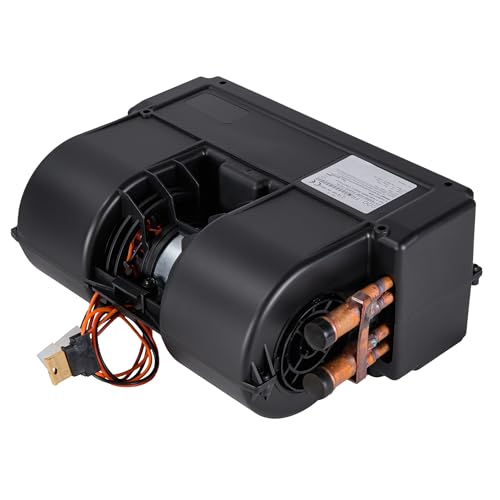
The Maradyne Havasu is a 12V hydronic heater that uses engine coolant to provide heat, intended for automotive or vehicle-based workshops and mobile units. It is an under-dash mount design rated at 20,000 BTU/hr and features 2-speed fan operation with adjustable louvers for directional airflow.
While not a shop-mounted hydronic heater in the traditional sense, this product is relevant for mobile workshops, service vans, and equipment where engine coolant provides the heat source. It illustrates hydronic principles applied to compact, vehicle-based environments. The ABS construction and louvers support durable, directed heating in tight spaces.
CTSC 10000W Electric Garage Heater

This CTSC model is a high-power 240V hardwired electric garage heater with a digital thermostat, remote control, and multiple heat settings. Although electric rather than hydronic, it is included for shops where hydronic retrofits are impractical. The product emphasizes safety features and a voltage display to assist with proper installation and troubleshooting.
Call 888-896-7031 for Free Local HVAC Quotes – Compare and Save Today!
Key features include ETL listing, overheating protection, remote and panel control, and three heat settings to adapt output. For workshops considering hydronic vs electric trade-offs, this model represents a high-output electric alternative where water-service is not available or where simpler installation is desired.
VEVOR Electric 10000W Garage Heater

The VEVOR 10000W unit is a digital fan-forced heater for wall or ceiling mounting. It touts precise temperature control and high air circulation to warm larger spaces evenly. While not hydronic, it is relevant for comparing performance, control features, and safety certifications to hydronic options.
Notable features include SPCC cold-rolled steel construction, overheat auto-off protection, and intelligent control maintaining temperature within a narrow range. For shop owners weighing benefits, this product offers a high-output electric solution backed by safety features and precise thermostatic control.
Buying Guide: Choosing A Hydronic Shop Heater
This buying guide covers the principal factors to evaluate when selecting a hydronic or hydronic-analog heater for workshops and garages.
Tips for Getting the Best HVAC Prices
- Prioritize Quality Over Cost
The most critical factor in any HVAC project is the quality of the installation. Don’t compromise on contractor expertise just to save money. - Check for Rebates
Always research current rebates and incentives — they can significantly reduce your overall cost. - Compare Multiple Quotes
Request at least three estimates before making your choice. You can click here to get three free quotes from local professionals. These quotes include available rebates and tax credits and automatically exclude unqualified contractors. - Negotiate Smartly
Once you've chosen a contractor, use the proven strategies from our guide — How Homeowners Can Negotiate with HVAC Dealers — to get the best possible final price.
Heat Source And System Compatibility
- Hydronic Loop Required: True hydronic heaters need a boiler or hot water source. Confirm supply and return plumbing access, pump sizing, and control valve compatibility.
- Hybrid Options: If no boiler exists, consider electric fan-forced units or modular hydronic bundles that include a small boiler or heat exchanger.
Output, Coverage, And BTU Considerations
- BTU Matching: Estimate required BTU by space volume, insulation level, and target temperature. Larger shops typically require higher BTU-rated hydronic handlers or multiple units.
- Airflow vs Surface Heating: Hanging hydronic air handlers distribute warm air quickly, while baseboards and radiators provide gentle convective heat around perimeters.
Installation And Mounting Practicalities
- Mounting Type: Hanging units need structural support; baseboards require wall clearance. Check clearances and service access for maintenance.
- Electrical And Controls: Hydronic units may still need electrical power for fans or controls; verify voltage, amperage, and thermostat wiring requirements.
- Plumbing: Pipe routing, freeze protection, and pump sizing are critical. Insulate exposed piping in unconditioned spaces.
Controls, Zoning, And Efficiency
- Thermostatic Control: Use zone thermostats and motorized valves for per-area control and efficiency.
- Fan Speed And Distribution: Adjustable fans and louvers improve even heat distribution and comfort.
- Integration With Existing Systems: Confirm compatibility with existing boilers, aquastats, and building management controls.
Safety, Certifications, And Durability
- Certifications: Look for ETL/UL certifications, especially for electric components and fan motors.
- Overheat Protection: Units with automatic shutoff on overheating or high-limit protection increase operational safety.
- Build Materials: Corrosion-resistant coils and robust housings extend service life in shop environments.
Maintenance And Serviceability
- Access To Fan And Coil: Choose units with accessible panels for cleaning, fan replacement, and leak inspection.
- Filter And Coil Cleaning: Regular maintenance of coils and filters preserves efficiency, particularly in dusty workshops.
- Spare Parts Availability: Select brands with available replacement motors, fans, and valves to reduce downtime.
Installation Cost Vs Operating Cost
- Initial Investment: Hydronic systems often require higher upfront plumbing and boiler costs but can offer lower operating costs with efficient boilers.
- Energy Source: Compare fuel types (natural gas, propane, wood boiler, electricity) for local rates and long-term operating expenses.
- Automation: Zone controls and modern thermostats can reduce runtime and improve comfort, offsetting higher initial costs.
Use-Case Perspectives
- Large, Well-Insulated Shops: Hanging hydronic air handlers provide rapid, distributed heat when tied to a properly sized boiler.
- Multi-Zone Workshops: Combine hydronic baseboards or radiant panels with localized air handlers for flexible zoning.
- Mobile Or Vehicle-Based Workspaces: Compact hydronic automotive units utilize engine coolant for heat in vans and trailers.
- No-Boiler Scenarios: High-power electric fan-forced units offer simpler installation but may have higher operating costs depending on electricity prices.
Final Selection Checklist
- Confirm hot water source capacity and plumbing layout for hydronic units.
- Calculate BTU requirement based on space size, insulation, and desired temperature rise.
- Verify electrical requirements for fans and controls; ensure proper voltage and breaker sizing.
- Check certifications, overheat protection, and warranty coverage.
- Plan for maintenance access and spare parts availability.