
Choosing the right IBC container heater helps prevent freezing, maintain fluid viscosity, and protect stored materials in cold climates. The table below summarizes five IBC heating solutions selected for performance, coverage, and industrial use. Each product section includes the manufacturer features and objective notes to help compare functionality and suitability.
| Product | Type | Key Features |
|---|---|---|
| WXHDYBLANKET-ETL Full Cover IBC Tote Heater Blanket | Full-Cover Heated Blanket | 120V, 1400W, IP67 waterproof, insulation layer, optional thermostat |
| Powerblanket TH250 250 Gal IBC Tote Heater | Insulated Vinyl Shell Heater | Adjustable to 145°F, insulated top, targeted distribution |
| Powerblanket 275-Gallon Super-Rugged PRO | Full-Wrap Extreme Cold Heater | Rated to -60°F, thermostat to 145°F, higher power output |
| Powerblanket TH350G 350 Gal IBC Heater | Industrial-Grade Tote Heater | Adjustable to 145°F, insulated top, weather resistant shell |
| BriskHeat Wrap-Around IBC/TOTE Tank Heater | Wrap-Around Silicone-Cloth Heater | 120V up to 160°F, silicone-impregnated cloth, adjustable straps |
Content Navigation
- WXHDYBLANKET-ETL Full Cover IBC Tote Heater Blanket
- Powerblanket TH250 250 Gal Insulated IBC Tote Heater
- Powerblanket 275-Gallon Insulated IBC Tote Super-Rugged PRO
- Powerblanket TH350G 350 Gal Industrial Tote Heater
- BriskHeat Wrap-Around IBC/TOTE Tank Heater
- Buying Guide: How To Choose An IBC Container Heater
WXHDYBLANKET-ETL Full Cover IBC Tote Heater Blanket

This full-cover model is designed for 275–330 gallon IBC totes and features a 120V, 1400W heating element with an internal 0.4-inch insulation layer to reduce heat loss. The blanket is described as IP67 waterproof and carries an ETL certificate for safety compliance. Four unit straps and two webbing straps are built in for secure installation and compact storage. The product design concentrates heat on one side and includes a self-regulating 150°F limit. Objective attributes include the use of heavy PVC outer materials for low-temperature durability and a claimed quick heat-up capability. The design emphasizes full coverage and weather resistance for outdoor or exposed placements.
Powerblanket TH250 250 Gal Insulated IBC Tote Heater

The Powerblanket TH250 uses an industrial vinyl shell with an insulated top to retain heat and reduce thermal stratification. It provides an adjustable temperature range up to 145°F (62°C) with a tolerance of ±5°F/3°C, and aims to eliminate hot and cold spots through targeted, distributed heating. The model is positioned for weather resistance and even heating across the tote body. Its key technical focus is controlled setpoint heating and top insulation to minimize energy losses. The TH250 is structured for use with 250-gallon-sized steel IBCs and emphasizes predictable temperature control.
Powerblanket 275-Gallon Insulated IBC Tote Super-Rugged PRO

Call 888-896-7031 for Free Local HVAC Quotes – Compare and Save Today!
The Super-Rugged PRO is advertised for extreme low-temperature applications, rated for use as low as -60°F (-51°C). It offers a full-wrap design with removable insulated top, and an adjustable thermostat from ambient to 145°F (62°C). The unit claims 25% more power than standard tote heaters to accelerate warm-up in very cold environments. Objective points include enhanced insulation and higher heating capacity intended for critical materials that require maintained temperatures in severe cold. The removable top enables partial access while retaining insulation.
Powerblanket TH350G 350 Gal Industrial Tote Heater
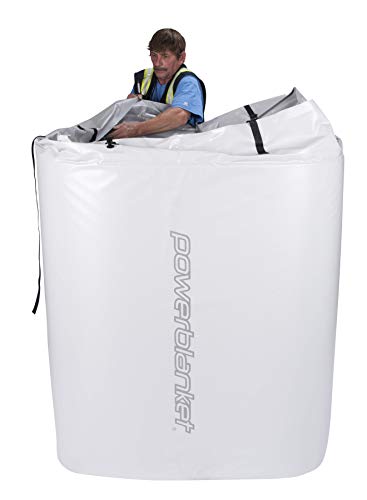
The TH350G is sized for larger 350-gallon IBCs and features a weather-resistant D-15 vinyl shell. It delivers adjustable heating up to 145°F (62°C) with insulated top coverage to reduce thermal loss. The unit highlights targeted distribution to prevent cold spots and is marketed for industrial settings needing reliable temperature control across a larger volume. Key attributes to consider are larger coverage area, durable shell construction, and thermostat control for setpoint adherence in outdoor or unheated storage situations.
BriskHeat Wrap-Around IBC/TOTE Tank Heater

The BriskHeat wrap-around heater uses silicone-impregnated cloth with 6mm fiberglass insulation and adjustable nylon straps for a conforming fit. It operates on 120V and the built-in thermostat can heat up to 160°F (71°C). The design focuses on even exterior heating without direct contact with fluids, aiming to speed flow of viscous contents and prevent scorching. Durable materials support indoor and outdoor use, and adjustable attachment points provide a snug fit on varied tote shapes. The heater emphasizes even wrap-around heating rather than full enclosure.
Buying Guide: How To Choose An IBC Container Heater
This buying guide outlines key considerations and comparison perspectives to match heater selection to operational needs. Focus on safety, compatibility, and performance metrics when evaluating options.
Call 888-896-7031 for Free Local HVAC Quotes – Compare and Save Today!
Tips for Getting the Best HVAC Prices
- Prioritize Quality Over Cost
The most critical factor in any HVAC project is the quality of the installation. Don’t compromise on contractor expertise just to save money. - Check for Rebates
Always research current rebates and incentives — they can significantly reduce your overall cost. - Compare Multiple Quotes
Request at least three estimates before making your choice. You can click here to get three free quotes from local professionals. These quotes include available rebates and tax credits and automatically exclude unqualified contractors. - Negotiate Smartly
Once you've chosen a contractor, use the proven strategies from our guide — How Homeowners Can Negotiate with HVAC Dealers — to get the best possible final price.
Tank Size And Coverage
- Match Heater Coverage To IBC Volume: Confirm the heater is sized for your tote (250, 275, 330, 350 gallons). Undersized heaters will struggle; oversized heaters may be unnecessarily heavy or more costly to install.
- Full-Wrap Vs. Wrap-Around: Full-wrap blankets and removable tops provide more uniform heating and insulation; wrap-around styles are flexible and easier to install on irregular containers.
Temperature Range And Control
- Required Setpoint: Identify the target fluid temperature or minimum operating temperature. Models with thermostats to 145°F are common; some designs allow higher setpoints (e.g., 160°F).
- Adjustability And Accuracy: Thermostat accuracy (±°F) affects consistency. For sensitive fluids, choose tighter control and digital or calibrated controllers if needed.
Power And Heating Capacity
- Wattage And Warm-Up Speed: Higher wattage blankets heat faster and perform better in extreme cold. The PRO model with increased power suits severe low-temperature sites.
- Electrical Supply Compatibility: Verify voltage (120V commonly) and required circuits. GFCI protection and ETL/UL certifications are important for safety compliance.
Insulation And Heat Retention
- Built-In Insulation: Insulation thickness and insulated tops reduce energy use and improve uniformity. Look for removable insulated tops to balance access and retention.
- Weather Resistance: IP ratings (e.g., IP67) and heavy-duty shells protect against moisture, snow, and outdoor exposure. Vinyl and PVC shells provide durability in harsh conditions.
Material Compatibility And Safety
- Chemical And Temperature Compatibility: Confirm outer materials and heating method do not contaminate contents. External heating avoids direct fluid contact for most tote applications.
- Certifications And Protections: ETL/UL listings, GFCI, and waterproofing indicate compliance and reduced electrical hazard risk. Consider intrinsic safety requirements for flammable or hazardous contents.
Installation, Handling, And Storage
- Straps And Fastening: Evaluate attachment systems for secure fit on your tote—adjustable straps and multiple connection points enhance stability in wind or outdoor conditions.
- Storage Convenience: Some blankets include storage webbing or compact folding characteristics for seasonal use.
- Access During Operation: Removable tops or partial access panels allow filling or sampling without fully removing the heater.
Performance In Extreme Cold
- Low-Temperature Ratings: If operating below standard freezing, choose models rated for extreme cold (some claim performance to -60°F). Increased power and thicker insulation are necessary for these conditions.
- Energy Efficiency: Insulation and top covers reduce run-time; higher initial wattage can still be more efficient by shortening heat-up duration.
Maintenance And Durability
- Material Durability: Look for abrasion-resistant outer shells for outdoor exposure and repeated installation cycles.
- Cleaning And Repairs: Consider ease of cleaning and availability of replacement parts or repair services for long-term use.
Comparison Perspectives
- Cost Vs. Capability: Evaluate long-term operational savings from insulation and faster warm-up against initial equipment cost.
- Application Fit: For industrial, long-duration outdoor storage choose industrial-grade, weather-resistant blankets. For occasional indoor thawing or flow facilitation, wrap-around heaters can be sufficient and more flexible.
- Safety Requirements: For hazardous materials, prioritize certified equipment and confirm electrical protection features.