
The following guide compares practical in-car heating solutions for meals, beverages and bottles. Products were selected for vehicle compatibility, safety features and portability. Use the summary table to compare at a glance, then read individual product details and the buying guide to choose what fits your driving routine.
| Product | Primary Use | Power Type |
|---|---|---|
| XTKS Electric Heating Lunch Box | Reheat Meals | 12V PTC Car Power |
| tuhood Portable Oven 4-in-1 | Cook/Reheat Meals | 12/24/110/220V Multi-Power |
| Yesinaly 2-in-1 Smart Cup | Heat Or Cool Drinks | 12V Car Adapter |
| HERCHR 300ml Car Electric Kettle | Boil/Heat Water & Drinks | 12/24V Car Socket |
| Cozytots Portable Bottle Warmer | Warm Baby Bottles | Rechargeable USB Battery |
Content Navigation
XTKS Electric Heating Lunch Box

This 12V heated lunch box is designed for use in cars, trucks and offices. It pairs a food-grade PP outer shell with a 304 stainless steel inner container to meet common food safety expectations. The unit uses a 40W PTC constant heating element intended to deliver even heating while limiting risk of overheating.
Key features include materials suitable for direct food contact, a low-power PTC heater for gradual warming, and portability targeted at drivers who need a warm meal without a microwave. It is best suited to reheating pre-cooked food and keeping meals warm during shorter drives.
tuhood Portable Oven 4-in-1

The tuhood unit advertises a 4-in-1 portable food warmer capable of operating on 12V/24V vehicle power as well as 110V/220V AC. It claims quicker heating times (typically 20–35 minutes for reheating) and the ability to cook or reheat a wider range of items due to higher input options.
Call 888-896-7031 for Free Local HVAC Quotes – Compare and Save Today!
It supports a variety of container types (glass, stainless steel, aluminum foil) and has a larger cavity for full meals. Multi-voltage compatibility increases versatility for road trips and international travel, but in-vehicle cooking times are longer than microwave expectations and require secure placement during transit.
Yesinaly 2-in-1 Smart Car Cup Cooler And Heater

The Yesinaly cup is a compact cup holder-style smart temperature device that can heat up to about 140°F or cool beverages down toward 30°F depending on mode. It is designed to fit most vehicle cup holders and uses a DC-12V connection or household adapter for power.
Construction uses ABS and aluminum components with a touch control and LED temperature display for real-time feedback. This device is intended primarily to maintain beverage temperatures rather than rapidly boiling water; it is convenient for commuters who want consistent hot coffee or cooled drinks on the road.
HERCHR Car Electric Kettle 300ml
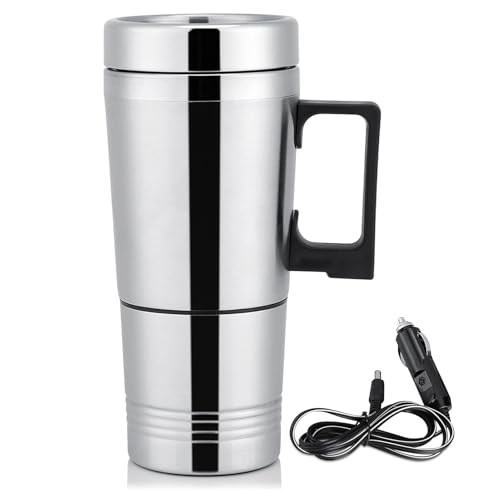
This compact 300ml car kettle is tailored for in-vehicle use with 12V and 24V compatible variants, delivering between approximately 40W and 60W depending on the model. Its size aims to fit standard cup holders and provides hot water for tea, coffee, or instant meals.
Call 888-896-7031 for Free Local HVAC Quotes – Compare and Save Today!
Design highlights include a sealing lid with food-grade silicone, insulated handle to avoid scalding, and anti-slip base features. Expect slower heating compared to home kettles; it’s optimized for portability and convenience rather than rapid boiling. Good for short stops where hot water is needed without leaving the vehicle.
Cozytots Portable Bottle Warmer

The Cozytots warmer is a wireless, rechargeable bottle heating bag built for parents on the go. It uses an internal rechargeable battery and supports quick charging protocols. The bag accommodates many bottle shapes and sizes and aims to warm milk or formula in minutes without needing a car power outlet.
Because it is battery powered, it offers flexibility for stroller walks, parking lots, and car trips where access to a vehicle outlet isn’t guaranteed. Insulation and temperature control strategies are implemented to reduce hot spots and maintain safe warming temperatures for infant feeding.
Buying Guide: Choosing The Right In-Car Heater
Selecting an in-car heating solution depends on intended use, vehicle power access, safety expectations and portability. Use the guide below to compare the most important factors for a suitable choice.
Primary Use
- Meals vs. Drinks vs. Bottles: For full meals, prefer lunch boxes or portable ovens with larger cavities. For beverages, cup-style warmers or kettles are more practical. For baby needs, dedicated bottle warmers and insulated bags offer pocketed temperature control.
Power Source And Compatibility
- 12V/24V Car Power: Many car-specific heaters rely on the cigarette-lighter or 12V sockets. Confirm the vehicle outlet’s wattage capability and whether a 24V option is needed for trucks.
- Multi-Voltage Options: Devices supporting 110/220V as well as 12/24V provide home and vehicle flexibility but may require extra adapters.
- Battery Or USB: Battery-powered warmers grant cordless convenience but need recharging and have limited run time.
Heating Method And Speed
- PTC Constant Heating: Provides gradual, uniform warming with some built-in safety against overheating.
- Resistance/Element-Based: Can heat faster but may create hot spots; container materials matter for safety.
- Expected Time: In-vehicle warming tends to take longer than home microwaves—plan for 10–60 minutes depending on capacity and power.
Safety Features
- Overheat Protection: Look for automatic shutoff or temperature-limiting elements.
- Secure Sealing and Insulation: Prevent spills and scalding; lids and seals reduce risk during driving.
- Stable Placement: Cup-holder compatibility or anti-slip bases prevent tipping during motion.
Materials And Food Safety
- Food-Grade Interiors: Stainless steel (304) or approved food plastics reduce risk of leaching.
- Removable/Washable Parts: Ease of cleaning prevents bacterial growth and preserves performance.
Size, Portability And Storage
- Vehicle Fit: Confirm dimensions relative to cup holders, console space and seat areas.
- Storage Considerations: Collapsible or compact designs are easier to stow away when not in use.
Temperature Control And Monitoring
- Display And Modes: LED displays and touch controls help maintain target temperatures for delicate uses like baby bottles.
- Adjustable Settings: Multiple modes (e.g., low/medium/high or specific temps) provide flexibility for different foods and drinks.
Use Case Scenarios
- Daily Commuter: A cup heater or small kettle provides consistent coffee warmth during short trips.
- Long Hauls/Truck Drivers: 24V-compatible lunch boxes or portable ovens with larger capacity are more practical.
- Parents On The Go: Rechargeable bottle warmers prioritize safety and cordless convenience for quick feeds outside the vehicle.
- Outdoor/Travel: Multi-voltage appliances or battery models offer maximum flexibility across campsites and hotels.
Durability And Build Quality
- Thermal Insulation: Check insulation for heat retention and exterior temperature safety.
- Component Longevity: Metal interiors and robust seals typically outlast thin plastics under frequent use.
Maintenance And Cleaning
- Removable Trays: Easier to clean and reduce odor transfer between foods.
- Material Care Instructions: Verify dishwasher-safe parts versus hand-wash recommendations.
Comparison Perspectives
- Energy Efficiency: Lower wattage devices run longer with less draw on vehicle electrical systems; PTC elements often balance efficiency and safety.
- Speed vs. Safety Tradeoffs: Faster heating often means higher power draw and increased hot spots; constant low-power warming tends to be safer during transit.
- Versatility vs. Simplicity: Multi-function models handle more tasks but add complexity in controls and setup compared to single-purpose warmers.
Use the table and product details to match your priority—fast heating, portability, bottle-safe warming, or full-meal capability—then check power compatibility and safety features before purchasing.
Tips for Getting the Best HVAC Prices
- Prioritize Quality Over Cost
The most critical factor in any HVAC project is the quality of the installation. Don’t compromise on contractor expertise just to save money. - Check for Rebates
Always research current rebates and incentives — they can significantly reduce your overall cost. - Compare Multiple Quotes
Request at least three estimates before making your choice. You can click here to get three free quotes from local professionals. These quotes include available rebates and tax credits and automatically exclude unqualified contractors. - Negotiate Smartly
Once you've chosen a contractor, use the proven strategies from our guide — How Homeowners Can Negotiate with HVAC Dealers — to get the best possible final price.