
Choosing The Right Heater And Thermostat for egg incubation affects hatch rates and animal health. Below are five well-reviewed Amazon devices that combine heater control, thermostatic accuracy, and features suited for incubators, brooders, and small hatcheries.
| Product | Key Feature | Best For |
|---|---|---|
| BN-LINK Digital Heat Mat Thermostat Controller | Simple 3-button setup, probe, ETL listed | Seedling Mats, Small Incubators |
| IncuKit Mini 2 All-In-One Incubator Kit | Integrated thermostat, heater, fan, hatch timer | Tabletop Egg Incubators, Beginners |
| Diymore Plug In Digital Thermostat (1800W) | Wide temp range, heating & cooling modes | Versatile Climate Control, Larger Units |
| Diymore Digital Thermostat With Timer Modes | Multiple timing modes, ±1% accuracy | Scheduled Cycling, Precise Setpoints |
| REPTIZOO PID Dimming Thermostat | PID dimming control for heat lamps | Incubation Using Heat Bulbs, Stable Lamp Control |
Content Navigation
BN-LINK Digital Heat Mat Controller

This controller Is Designed Specifically For Heating Devices And Uses A Probe To Monitor Temperature. Setup Is Performed With Three Buttons, Allowing Quick Selection Of Setpoints And Switching Between Fahrenheit And Celsius. The Unit Includes A 3-Prong Power Cord And A 4.92-Foot Probe For Flexible Placement.
- Key Strengths: Simple Interface, Bright Display, ETL Listed For Safety.
- Sensor And Cord Length: 4.92-Foot Probe Suits Various Incubator Layouts.
- Limitations: Designed Only For Heating Devices; No Cooling Function.
IncuKit Mini 2 All-In-One Unit

The IncuKit Mini 2 Integrates Thermostat, Heater, And Fan Control Into One Unit, Reducing Wiring Complexity And Simplifying Setup For Tabletop Egg Incubators. A Digital Display Shows Temperature And Humidity Readings, While Push-Button Controls Make Adjustments Straightforward.
- Key Strengths: Integrated Heater & Fan Controls Reduce External Components.
- Additional Features: Adjustable Hatch Timer Helps Track Incubation Periods.
- Limitations: Intended For Tabletop Scale Incubation; Verify Compatibility With Larger Chambers.
Diymore Plug-In Digital Thermostat 1800W

Call 888-896-7031 for Free Local HVAC Quotes – Compare and Save Today!
This Diymore Model Offers A Backlit LCD And A Very Wide Operating Range From -104°F To 210°F. It Supports Both Heating And Cooling Modes, Which Makes It Suitable For Incubators That Require Tight Thermal Ranges Or For Use In Environments Needing Active Cooling Or Ventilation Control.
- Key Strengths: Wide Temperature Range And Dual-Mode Functionality.
- Use Cases: Incubation With Additional Cooling Or For Greenhouses/Climate Chambers.
- Limitations: Plug-In Form Factor Requires External Heater/Cooler; Ensure Rated Current Matches Your Equipment.
Diymore Thermostat With Timer Modes

This Diymore Unit Adds Multiple Timer Modes And Precise Temperature Calibration. Mode Options Include Cycle Timers And Countdown Functions, Allowing Scheduled On/Off Sequences For Heaters Or Fans. The Device Claims ±1% Accuracy And Stores Settings During Power Loss.
- Key Strengths: Multiple Timing Modes For Automated Cycling, Data Storage After Power Off.
- Practical Application: Use When Controlled On/Off Cycles Or Timed Heating Is Required For Turning Or Conditioning Eggs.
- Limitations: Timer And Thermostat Functions Can Conflict If Both Are Attempted Simultaneously; Review Mode Descriptions Before Use.
REPTIZOO PID Dimming Thermostat
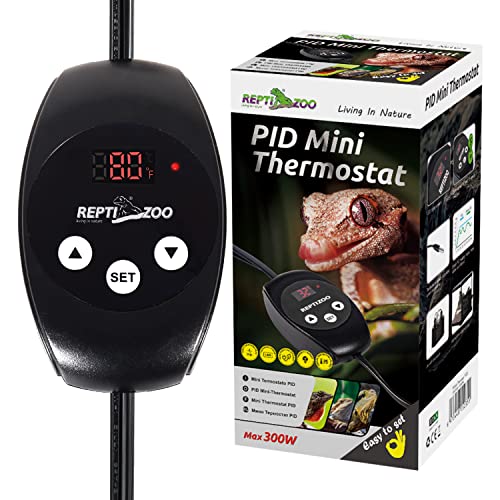
The REPTIZOO Unit Uses PID Dimming Control To Modulate Heat Lamps And Improve Stability Compared To Simple On/Off Relays. It Is Specifically Designed For Light Heat Bulbs And Heaters, Offering A Narrow Control Range Ideal For Applications Where Lamp Flicker And Temperature Overshoot Must Be Minimized.
- Key Strengths: PID Control For Smooth Output, Memory Function, Simple Digital Display.
- Best For: Incubators Or Brooders That Use Heat Bulbs Instead Of Solid-State Mats.
- Limitations: Not Suitable For Certain Sunlamps; Verify Lamp Compatibility And Wattage Ratings.
Buying Guide: Choosing An Incubator Heater And Thermostat
Understand The Heat Source: Incubators Typically Use heat mats, heat lamps, or integrated heaters. Match the thermostat type to the heater. PID dimming controllers are better for lamps; solid-state relay thermostats suit mats.
Call 888-896-7031 for Free Local HVAC Quotes – Compare and Save Today!
Accuracy And Stability: Look For A Controller With tight temperature tolerance and minimal overshoot. PID controllers and units with ±1% accuracy produce more stable setpoints, which improves hatch consistency.
Temperature Range: Ensure The Device Covers The Required Range For Your Species. Many eggs require narrow ranges around typical incubation temps; choose a controller that allows precise setpoints in that band.
Probe Placement And Length: Proper Probe Positioning Is Critical. Choose units with sufficiently long probes and flexible placement so the sensor reads ambient chamber temperature rather than a hot spot.
Control Modes: Decide If You Need Simple On/Off Control, Dual Heating/Cooling, Or Advanced Timer/Cycle Functions. Dual-mode units are useful where active cooling or ventilation is part of temperature management.
Safety Certifications: Prefer Devices With Safety Listings (ETL/UL) And Built-In Protections Like Grounded Plugs, Overcurrent Ratings, And Power Memory.
Power Rating And Load Capacity: Verify The Controller’s Amp/Watt Rating Matches Your Heater. Underrated controllers Can Overheat; choose units rated for the heater’s inrush and continuous load.
User Interface And Alerts: Bright Displays, Simple Buttons, And Audible Or App-Based Alarms Help Detect Failures Quickly. Consider Bluetooth Or App Control If Remote Monitoring Is Important.
Timing And Automation: If Your Workflow Requires Scheduled On/Off Sequences Or Automated Cycling (e.g., turn events, humidity control), select a device with reliable timer modes and clear mode descriptions to avoid conflicts.
Redundancy And Monitoring: For Valuable Clutches, Use Secondary Thermometers Or Data Loggers For Cross-Checking Controller Readings. Consider alarm-enabled units to notify you of out-of-range events.
Environmental Considerations: Match The Controller To The Incubator Environment—moisture, dust, and proximity to heat sources can affect probe longevity and sensor accuracy. Use protective housings or external probe placement where needed.
Compatibility With Accessories: Confirm Compatibility With Fans, Humidity Controllers, And Timers You Plan To Use. Integrated units like IncuKit Mini 2 simplify compatibility by combining functions inside one housing.
Comparison Perspectives:
- Simplicity vs. Control: Basic plug-in thermostats (BN-LINK) favor simple setup; PID dimming (REPTIZOO) and Diymore multi-mode units favor precision and automation.
- Integrated vs. Modular: All-in-one kits (IncuKit Mini 2) reduce wiring and potential misconfiguration. Modular setups offer flexibility and easier component swaps.
- Cost of Failure: For high-value eggs or large clutches, invest in redundant sensors and alarm-capable controllers rather than only the cheapest solution.
Final Tip: Test The Complete System With A Calibrated Thermometer And A Full Dry-Run Before Loading Eggs. Validate Sensor Placement, Probe Response Time, And Alarm Functionality To Ensure Stable Conditions During The Full Incubation Cycle.
Tips for Getting the Best HVAC Prices
- Prioritize Quality Over Cost
The most critical factor in any HVAC project is the quality of the installation. Don’t compromise on contractor expertise just to save money. - Check for Rebates
Always research current rebates and incentives — they can significantly reduce your overall cost. - Compare Multiple Quotes
Request at least three estimates before making your choice. You can click here to get three free quotes from local professionals. These quotes include available rebates and tax credits and automatically exclude unqualified contractors. - Negotiate Smartly
Once you've chosen a contractor, use the proven strategies from our guide — How Homeowners Can Negotiate with HVAC Dealers — to get the best possible final price.