
Choosing a heater that works both indoors and outdoors requires balancing power, safety, fuel type, and installation. Below is a concise comparison table of five versatile heaters selected for reliability, heating method, and multi-use capabilities.
| Product | Type | Power Source | Key Strength |
|---|---|---|---|
| Mr. Heater Portable Buddy MH9BX | Propane Radiant Heater | Propane Canisters | Portable radiant warmth up to 225 sq. ft. |
| Dr. Infrared 10,260 BTU | Carbon Infrared Electric | 220–240V Electric | High-output, weatherproof for patios |
| Dr Infrared DR-238 | Carbon Infrared Electric | 120V Electric | Multiple power settings, plug-and-play |
| Paraheeter Electric Outdoor Heater | Carbon Infrared Electric | 120V Electric | Mount, ceiling, or tripod versatility |
| Mr Heater 4000–18000 BTU Dual-Tank LP Unit | Propane Radiant Heater | Propane (small to large tanks) | Variable BTU range up to 450 sq. ft. coverage |
Content Navigation
- Mr. Heater Portable Buddy Heater MH9BX
- Dr. Infrared Heater 10,260 BTU Infrared Heater
- Dr Infrared Heater DR-238 Carbon Infrared Outdoor Heater
- Paraheeter Electric Outdoor Heater Infrared Patio Heater
- Mr Heater 4000 To 18000 BTU 3 Setting Portable LP Gas Heater
- Buying Guide: How To Choose An Indoor And Outdoor Heater
Mr. Heater Portable Buddy Heater MH9BX
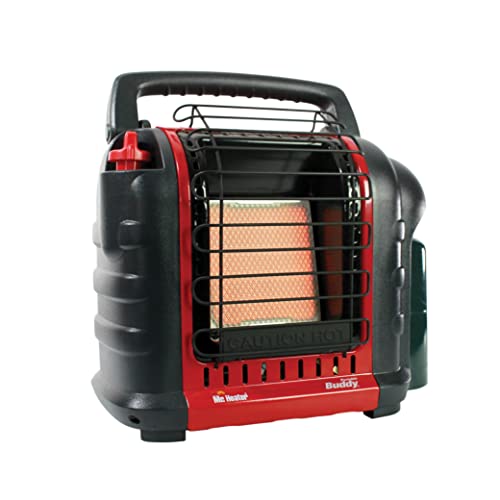
This propane radiant heater uses infrared technology to heat objects and people directly rather than relying on air temperature. It offers adjustable output from 4,000 to 9,000 BTU, with listed coverage up to 225 sq. ft.
- Radiant Heat: Sun-like warmth that’s effective in partially open or drafty spaces.
- Safety Features: Enhanced tip-over switch that audibly engages when disturbed.
- Ignition: Piezo igniter enables matchless startup without batteries.
Use cases include campers, small workshops, enclosed patios, and temporary outdoor gatherings where propane is an acceptable fuel. The unit’s portability supports quick relocation but requires careful handling and proper ventilation when used in enclosed spaces despite being designed for indoor-safe operation.
Dr. Infrared Heater 10,260 BTU Infrared Heater
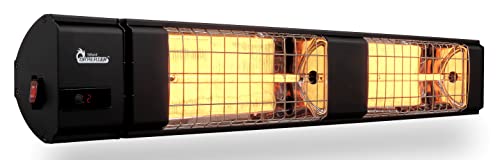
This high-output carbon infrared heater delivers 10,260 BTU / 3000W and is rated for 220–240V operation. It’s designed for both indoor and outdoor settings with an IP55 weatherproof rating.
Call 888-896-7031 for Free Local HVAC Quotes – Compare and Save Today!
- Instant Heat: Carbon infrared element provides immediate, focused warmth.
- Mounting Flexibility: Includes hardware for ceiling or wall installation; remote control is provided.
- Odorless Operation: Suitable for patios, garages, and commercial use where clean, vent-free heat is needed.
The heater is tailored to larger covered patios, commercial outdoor dining areas, and garages where a fixed, durable electric heater is preferred. Voltage requirements mean this model suits locations with compatible electrical service; professional installation may be advisable for secure mounting and wiring.
Dr Infrared Heater DR-238 Carbon Infrared Outdoor Heater
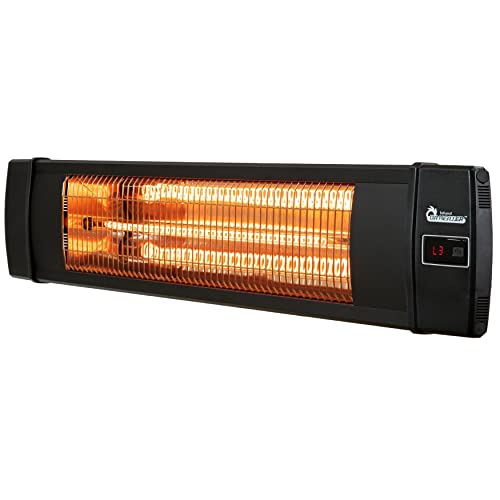
The DR-238 is an indoor and outdoor carbon infrared heater approved to IP55. It offers three power settings—900W, 1200W, 1500W—and plugs into standard 120V outlets for straightforward installation.
- Versatile Power Levels: Adjustable settings help balance warmth and energy use.
- Plug-and-Play: No special wiring required for typical residential outlets.
- Remote Control: Allows convenient operation from a distance.
Its adaptability suits patios, small restaurant outdoor zones, decks, and garages. The lower wattage options are useful for reducing energy consumption while maintaining targeted warmth. Weatherproofing supports semi-exposed installations under awnings or covered patios.
Paraheeter Electric Outdoor Heater Infrared Patio Heater

The Paraheeter is a carbon infrared patio heater with multiple mounting options: wall, ceiling, or adjustable tripod stand. It’s designed for easy assembly and includes safety features such as a grounded plug and tip-over shutoff.
Call 888-896-7031 for Free Local HVAC Quotes – Compare and Save Today!
- Flexible Installation: Choose wall, ceiling, or portable tripod configurations.
- Energy Efficient: Carbon infrared technology claimed to cost considerably less to operate versus propane.
- Safety Design: Metal grille and automatic shutoff protections included.
This heater serves homeowners wanting a versatile electric solution for patios and small outdoor entertaining spaces. The tripod option supports temporary placement for events, while hard-mounted setups provide a long-term heating solution for covered outdoor areas.
Mr Heater 4000 To 18000 BTU 3 Setting Portable LP Gas Heater
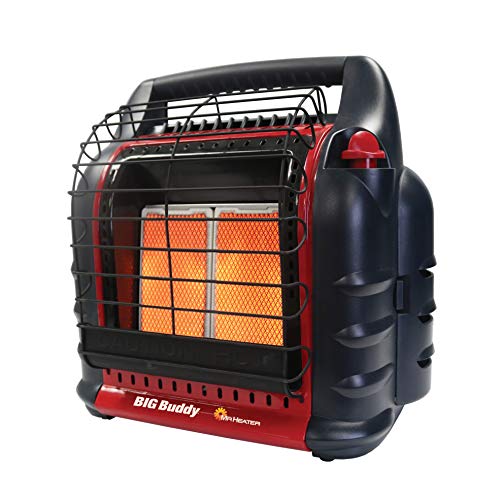
This propane heater provides 3 heat settings—4,000, 9,000, and 18,000 BTU—with a maximum range up to 450 sq. ft. It supports connection to larger propane tanks with the appropriate hose and filter and includes an automatic safety shutoff.
- Wide BTU Range: Choose lower outputs for small spaces or ramp up for larger areas.
- Dual Tank Capability: Can be adapted to larger tanks for extended runtime.
- Piezo Ignition: Reliable matchless start with simple single-control knob.
The higher BTU capacity makes this unit suited to bigger garages, larger covered patios, and outdoor event spaces where propane fueling logistics are manageable. Dual-tank compatibility supports longer runtimes without frequent cylinder changes.
Buying Guide: How To Choose An Indoor And Outdoor Heater
Selecting the right indoor/outdoor heater depends on several factors ranging from location to energy source. This guide covers the key considerations to evaluate before purchase.
Heating Method And Coverage
Radiant vs. Convective: Infrared (radiant) heaters warm objects and people directly and are efficient in semi-open or drafty outdoor areas. Convective heaters warm the air and perform better in enclosed indoor spaces.
BTU/Wattage And Area: Match BTU or wattage to the intended area. Higher BTU or wattage increases coverage but also fuel or energy consumption.
Fuel Type And Energy Availability
Electric Heaters: Offer clean, vent-free operation and easier installation for fixed mounts. Check voltage requirements (120V vs. 220–240V).
Propane Heaters: Deliver strong heat output and mobility but require fuel storage and ventilation considerations for indoor use despite indoor-safe designs.
Installation And Mounting
Fixed vs. Portable: Fixed ceiling or wall mounts are ideal for permanent patio heating. Portable stand or tabletop units are better for flexible placement.
Electrical Wiring: High-wattage electric models may require dedicated circuits or higher voltage; consult an electrician for safe installation.
Weatherproofing And Use Case
IP Ratings: For outdoor installations, choose products with weatherproof ratings (e.g., IP55) to resist moisture and dust.
Covered vs. Exposed Areas: Infrared heaters perform better in partially open, covered patios. Fully exposed areas reduce efficiency due to wind and airflow.
Safety Features
Tip-Over And Overheat Protection: Especially important for portable electric and propane units to prevent accidents.
Automatic Shutoff And Safety Switches: Look for audible or visible indicators that engage on tip or impact for added assurance.
Energy Efficiency And Operating Costs
Compare Output To Input: Consider how many BTUs or watts are required to maintain comfort in your space. Infrared heaters often yield quicker perceived warmth while consuming less power for localized heating.
Fuel Supply Logistics: Propane requires cylinder management and refill planning; electric units incur utility costs and may be cheaper to operate for intermittent use.
Controls And Convenience
Thermostats And Remote Controls: Models with adjustable thermostats and remote controls allow temperature management and can reduce wasted energy.
Timer And Power Levels: Multiple power settings or timers enable tailored use for events and everyday comfort.
Noise And Indoor Compatibility
Quiet Operation: Electric infrared heaters are typically silent, making them suitable for dining areas, bedrooms, and offices. Gas units may produce operational noise from fuel flow and burners.
Odor Considerations: Electric heaters are odorless. Propane units can produce combustion odors during start-up or if ventilation is limited—monitor indoor use accordingly.
Durability And Warranty
Materials And Build: Stainless or coated housings resist corrosion in outdoor environments. Check mounting hardware quality for fixed installations.
Warranty And Support: Compare manufacturer warranty terms and availability of replacement parts or service.
Tips for Getting the Best HVAC Prices
- Prioritize Quality Over Cost
The most critical factor in any HVAC project is the quality of the installation. Don’t compromise on contractor expertise just to save money. - Check for Rebates
Always research current rebates and incentives — they can significantly reduce your overall cost. - Compare Multiple Quotes
Request at least three estimates before making your choice. You can click here to get three free quotes from local professionals. These quotes include available rebates and tax credits and automatically exclude unqualified contractors. - Negotiate Smartly
Once you've chosen a contractor, use the proven strategies from our guide — How Homeowners Can Negotiate with HVAC Dealers — to get the best possible final price.
Multiple Comparison Perspectives
- Performance Perspective: If immediate, targeted warmth matters most, infrared radiant units or high-BTU propane heaters excel.
- Cost Perspective: For ongoing, low-maintenance operation, electric infrared models with efficient wattage control often cost less to operate for short-use scenarios.
- Safety And Indoor Use: Select certified indoor-safe propane models only when ventilation and safety needs are met; otherwise choose electric alternatives for enclosed spaces.
- Installation Perspective: For renters or temporary setups, portable plug-in models or propane canisters are preferable. For homeowners, hard-mounted electric units offer a permanent and tidy solution.