
Choosing an indoor LP (liquid propane) heater requires balancing heat output, safety features, installation type, and room size. The table below summarizes five top-rated indoor-safe propane heating options selected for living spaces, workshops, garages, and supplemental home heat.
| Model | Type | Heat Range / Notes |
|---|---|---|
| Mr. Heater Portable Buddy MH9BX | Portable Radiant / Indoor-Safe | 4,000–9,000 BTU; up to 225 sq. ft.; tip-over safety |
| Mr. Heater 4K–18K Portable LP Heater | Portable Radiant / Dual Tank Option | 4,000 / 9,000 / 18,000 BTU; up to 450 sq. ft. |
| Mr. Heater 30,000 BTU Vent Free Radiant Propane | Wall-Mounted Vent-Free | 30,000 BTU; up to 1,000 sq. ft.; permanent install |
| Comfort Glow Vent Free Gas Fireplace Log Insert | Vent-Free Fireplace Insert (LP/NG) | Realistic log set; remote thermostat; heats ~1,400 sq. ft. |
| Gasland MHA18BN Propane Radiant Heater | Portable Radiant Cabinet Heater | 18,000 BTU; up to 450 sq. ft.; tip-over & low O2 shutoff |
Content Navigation
- Mr. Heater Portable Buddy Heater MH9BX
- Mr Heater 4000 To 18000 BTU Portable LP Gas Heater
- Mr. Heater 30,000 BTU Vent Free Radiant Propane Heater
- Comfort Glow Vent Free Gas Fireplace Log Insert
- Gasland MHA18BN Propane Radiant Heater
- Buying Guide: How To Choose An Indoor LP Heater
- Heat Output And Coverage
- Portable Versus Permanent Installation
- Vent-Free Versus Vented Options
- Safety Features To Prioritize
- Fuel Source And Runtime
- Room Air Quality And Occupancy
- Control Options And Convenience
- Installation, Clearance, And Code Compliance
- Comparative Perspectives
- Maintenance And Long-Term Considerations
- Final Selection Checklist
Mr. Heater Portable Buddy Heater MH9BX
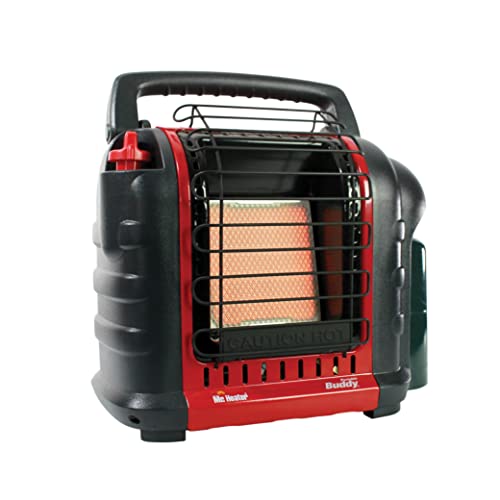
This compact, indoor-safe propane radiant heater delivers adjustable heat from 4,000 to 9,000 BTU and is designed for spaces up to about 225 square feet. It uses advanced infrared technology to heat objects and people directly rather than warming the entire air mass.
- Powerful Radiant Heat: Sun-like warmth via infrared heating suitable for small rooms, campers, and workshops.
- Safety Features: Improved tip-over safety switch with audible engagement to help prevent accidents.
- Reliable Ignition: Piezo igniter for match-free startup; no batteries required.
The design emphasizes portability and immediate radiant warmth. As an indoor-rated unit, it includes safety cutoffs, but proper ventilation and adherence to manufacturer clearance instructions remain important. Recommended for those seeking a simple, moveable supplemental heater for smaller indoor locations.
Mr Heater 4000 To 18000 BTU Portable LP Gas Heater
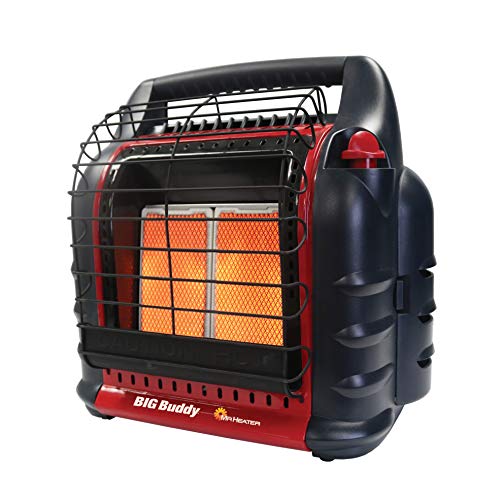
This Mr. Heater model offers three BTU settings (4,000 / 9,000 / 18,000) and is built for portable indoor or outdoor use with options for larger propane tanks. The single-knob control and piezo spark make operation straightforward.
Call 888-896-7031 for Free Local HVAC Quotes – Compare and Save Today!
- Versatile Heat Levels: Choice of outputs for targeted warmth or larger spaces up to 450 square feet.
- Dual Tank Connection: Capable of connecting to tanks up to 40 lbs with an added hose, enabling longer runtimes.
- Safety Shutoff: Automatic tip-over shutoff and piezo ignition for reliable start/stop operation.
Suitable for users who need adjustable heating power across different interior spaces or for occasional outdoor use. Installation flexibility and a higher top BTU make this model useful in garages, workshops, and larger enclosed areas when used in compliance with indoor-use guidelines.
Mr. Heater 30,000 BTU Vent Free Radiant Propane Heater

A wall-mounted vent-free radiant heater designed to deliver continuous warmth with 30,000 BTU output. This unit is intended for supplemental heating in cold rooms, additions, sunrooms, and cabins where venting to the outdoors is not desired or possible.
- High Efficiency: Radiant infrared heating that warms objects and occupants for up to 1,000 square feet coverage.
- Fuel Efficiency: Low fuel consumption rate with extended runtime information provided by manufacturer.
- Installation Requirements: Permanent mounting required; a minimum 20 lb LP cylinder recommended for optimal performance and safe operation.
Vent-free units provide high radiant output and simple installation without a chimney, but they require consideration of indoor air quality and clearance requirements. This model is aimed at spaces needing sustained, installed supplemental heat rather than portable solutions.
Comfort Glow Vent Free Gas Fireplace Log Insert

This vent-free fireplace log insert combines decorative aesthetics with supplemental heat. Designed for dual-fuel (LP or natural gas) compatibility, it mimics a wood fire while providing thermostat remote control and adjustable flame settings.
Call 888-896-7031 for Free Local HVAC Quotes – Compare and Save Today!
- Realistic Appearance: Eight-piece Highland Ember log set for authentic wood-like visuals without chopping or cleanup.
- Thermostat Remote: Remote control with adjustable thermostat and extended receiver life for convenient control of heat levels.
- Dual Fuel Compatibility: Configurable for propane or natural gas installations depending on setup needs.
Ideal when visual ambiance and room heating are both priorities. As with all vent-free systems, attention to room ventilation, occupancy rates, and manufacturer installation instructions is important to ensure safe and compliant operation.
Gasland MHA18BN Propane Radiant Heater

The Gasland MHA18BN is a portable cabinet-style propane radiant heater delivering 18,000 BTU for areas up to about 450 square feet. It emphasizes mobility and built-in safety while running without electricity.
- Safety Systems: Tip-over protection and low-oxygen shutoff sensors to reduce indoor air safety risks.
- No Electricity Needed: Operates on a 20 lb propane cylinder, useful during power outages or in off-grid settings.
- Mobile Design: Rolling wheels, carry handle, and enclosed tank storage for easier movement and tidier appearance.
This heater suits users who want a higher-output portable solution with integrated safety features and an enclosed cabinet aesthetic for garages, workshops, and temporary indoor heating scenarios where ventilation can be managed.
Buying Guide: How To Choose An Indoor LP Heater
Selecting the right indoor LP heater involves assessing heat needs, installation type, safety systems, and indoor air impacts. Use the following criteria to compare models and determine the best fit for your space.
Heat Output And Coverage
Match the heater’s BTU rating to the square footage and insulation quality of the space. Small rooms and well-insulated areas can be served by 4,000–9,000 BTU units, while larger or drafty spaces may require 18,000 BTU or higher. Vent-free wall heaters with higher BTU can heat large areas but need permanent installation.
Portable Versus Permanent Installation
Portable units provide flexibility and are suitable for temporary heating needs. They are typically radiant and require upright clearance and ventilation. Permanent vent-free units deliver continuous, efficient heat but require proper mounting, clearance, and adherence to local codes.
Vent-Free Versus Vented Options
Vent-free (ventless) heaters are efficient and simple to install but release combustion byproducts into the room; they require attention to ventilation, occupant numbers, and moisture levels. Vented systems exhaust outdoors, improving indoor air quality but adding installation complexity.
Safety Features To Prioritize
- Tip-Over Protection: Automatically shuts off if the unit is knocked over—critical for portable heaters.
- Low Oxygen/CO Sensors: Shuts down if oxygen levels drop or if CO risk is detected—especially important for indoor propane use.
- Reliable Ignition: Piezo or electronic igniters reduce dependence on open flames and matches.
Fuel Source And Runtime
Check compatibility with standard LP cylinders and whether the unit supports larger tanks or dual-tank connections for extended runtime. Permanent installations may use fixed lines or larger storage tanks as applicable.
Room Air Quality And Occupancy
Propane combustion produces water vapor and combustion byproducts. In smaller, unventilated rooms, consider ventilation strategies or selecting models with robust low-oxygen/CO shutoffs. Avoid prolonged use in bedrooms or small occupied sleeping areas without proper ventilation.
Control Options And Convenience
Thermostatic control, remote operation, and multiple heat settings provide greater control and energy savings. Remote thermostats and programmable features can maintain comfort while minimizing fuel consumption.
Installation, Clearance, And Code Compliance
Follow manufacturer clearance dimensions and local building codes. Vent-free wall heaters and fireplace inserts often require professional installation or inspection to ensure safe, code-compliant operation.
Comparative Perspectives
- Small Portable Heaters (e.g., Buddy MH9BX): Best for small spaces or occasional use; easy to move and operate.
- High Output Portable (e.g., Gasland 18k, Mr. Heater 18k): Good for larger garages and workshops where portability and higher heat are needed.
- Vent-Free Installed Units (e.g., Mr. Heater 30k, Comfort Glow insert): Provide continuous, aesthetic heating for living spaces but require permanent mounting and ventilation awareness.
- Appliance Purpose: Consider if primary goal is ambient warmth, task heating, aesthetic fireplace ambiance, or whole-room supplemental heating.
Maintenance And Long-Term Considerations
Regularly inspect hoses, regulators, and fittings on portable units and schedule professional checks for installed vent-free appliances. Replace filters, clean radiants, and verify sensor operation annually where recommended.
Tips for Getting the Best HVAC Prices
- Prioritize Quality Over Cost
The most critical factor in any HVAC project is the quality of the installation. Don’t compromise on contractor expertise just to save money. - Check for Rebates
Always research current rebates and incentives — they can significantly reduce your overall cost. - Compare Multiple Quotes
Request at least three estimates before making your choice. You can click here to get three free quotes from local professionals. These quotes include available rebates and tax credits and automatically exclude unqualified contractors. - Negotiate Smartly
Once you've chosen a contractor, use the proven strategies from our guide — How Homeowners Can Negotiate with HVAC Dealers — to get the best possible final price.
Final Selection Checklist
- Measure square footage and account for insulation.
- Decide between portability and permanent installation.
- Confirm presence of tip-over and low-oxygen safety features.
- Ensure compatibility with available propane supply and tank sizes.
- Review local codes regarding vent-free appliance use indoors.
- Consider thermostat and remote control needs for convenience and efficiency.