
Finding a reliable indoor kerosene heater means balancing heat output, safety features, and fuel capacity. Below is a concise summary table of the five selected heaters covered in this guide to help you compare core specs at a glance.
| Product | BTU | Coverage | Fuel Capacity / Runtime |
|---|---|---|---|
| Dyna-Glo WK24BK | 23,800 BTU | Up To 1,000 Sq. Ft. | No electricity needed (convection) |
| Sengoku 23,500 BTU (KeroHeat) | 23,500 BTU | Up To 900 Sq. Ft. | 1.9 gal / Up To 12 Hours |
| Sengoku 10,000 BTU (CTN-110) | 10,000 BTU | Up To 400 Sq. Ft. | 1.2 gal / Up To 14 Hours |
| HeatMate 23,500 BTU (HMC-23K) | 23,500 BTU | Up To 1,000 Sq. Ft. | 1.9 gal / Up To 12 Hours |
| Dura Heat DH1051 | 10,500 BTU | Up To 400–999 Sq. Ft. | 1.1 gal / Up To 15 Hours |
Content Navigation
Dyna-Glo WK24BK 23,800 BTU Indoor Kerosene Convection Heater
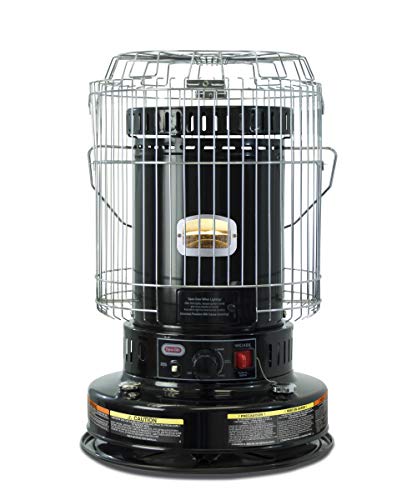
The Dyna-Glo WK24BK is a high-output convection kerosene heater rated at 23,800 BTU. It’s designed to warm large open areas and claims coverage up to 1,000 square feet. A notable characteristic is that it requires no electricity, making it useful during power outages.
Listed features highlight its convection heating approach for broad warmth and the ability to operate without mains power. This model is useful where continuous, broad-area heat is needed and where electrical options are limited. Convection units generally distribute heat slowly but evenly across larger spaces.
Sengoku 23,500 BTU Portable Kerosene Heater

This Sengoku cordless heater is rated at 23,500 BTU and suited for indoor and outdoor use with estimated coverage near 900 sq. ft. It includes a 1.9-gallon tank for extended runtime and ships with a siphon pump and two D batteries for ignition.
Call 888-896-7031 for Free Local HVAC Quotes – Compare and Save Today!
Key listed features: portable design, a large reservoir providing up to 12 hours of heat on one fill, and an automatic safety fuel shut-off with push-to-start operation. These features support extended use during outages and reduce dependency on matches or electric starters.
Sengoku 10,000 BTU Cordless Kerosene Heater

The Sengoku CTN-110 outputs 10,000 BTU and targets smaller spaces up to 400 sq. ft. It features a 1.2-gallon fuel tank offering up to 14 hours of continuous operation. Safety elements include automatic shut-off and a tip-over switch.
Listed features emphasize versatility for emergency or supplemental heating, economical fuel use, and a protective grill. The push-button start and safety cutoffs are intended to reduce ignition risks and accidental fuel flow during operation.
HeatMate HMC-23K 23,500 BTU Portable Heater
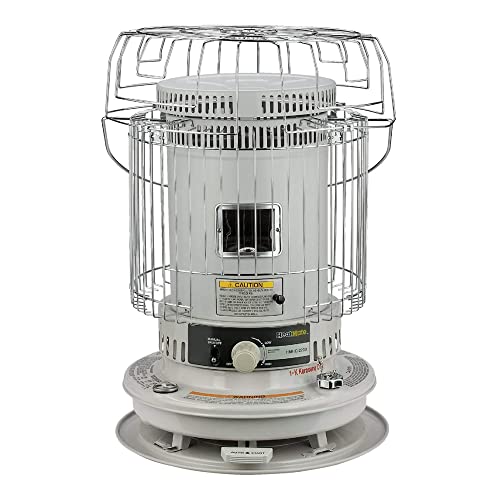
The HeatMate HMC-23K delivers 23,500 BTU for large-area heating, with manufacturer notes indicating coverage up to 1,000 square feet. It uses a 1.9-gallon tank and lists up to 12 hours runtime per fill.
Call 888-896-7031 for Free Local HVAC Quotes – Compare and Save Today!
Safety features listed include an automatic shut-off, a tip-over switch, and protective guard grills. The model is described as suitable for emergency indoor use and garage or workshop applications where robust, portable heat is needed.
Dura Heat DH1051 10,500 BTU Kerosene Heater

The Dura Heat DH1051 is rated at 10,500 BTU with a listed runtime up to 15 hours on a single 1.1-gallon fill and claims 360-degree heating. The manufacturer lists maximum room sizes in a broad range and emphasizes long runtime.
This heater’s feature list highlights extended run-time and multi-directional heat dispersion, which may be useful for smaller rooms or as a zonal supplement. It is marketed for continuous indoor use with considerations for safety and placement.
Buying Guide: How To Choose An Indoor Kerosene Heater
Selecting the right indoor kerosene heater requires weighing heat output, run time, safety features, and space suitability. Below are the principal factors to compare.
Heat Output And Room Size
BTU rating correlates with coverage. Higher BTUs (20k+ BTU) suit large garages, workshops, and open living spaces. Lower BTU models (around 10k BTU) are better for single rooms or smaller enclosed spaces. Estimate square footage and select a BTU rating with some margin for insulation loss.
Fuel Capacity And Runtime
Tank capacity determines runtime. Models with 1.9-gallon tanks typically offer around 12 hours, while 1.1–1.2 gallons can run longer per BTU demand depending on efficiency. Consider refill frequency, fuel storage logistics, and whether extended unattended operation is needed.
Ignition And Power Needs
Cordless, battery-assisted, or push-to-start ignition systems remove the need for external electricity. For emergency preparedness or blackout scenarios, models advertised as no-electricity-needed are advantageous.
Safety Features
- Automatic shut-off for fuel overflow or flame issues
- Tip-over switches that cut fuel if the unit falls
- Protective grills to prevent direct contact with hot surfaces
- Proper ventilation recommendations to avoid CO accumulation
Prioritize models with multiple listed safety features and follow manufacturer placement guidance. Use kerosene heaters only where ventilation and carbon monoxide monitoring are feasible.
Heating Type: Convection vs Radiant
Convection heaters warm the air and distribute heat gradually over larger areas. Radiant or radiant-assisted units deliver more immediate warmth to nearby objects and people. Choose convection for even room warming and radiant for spot heating.
Portability And Use Case
Consider weight, handles, and tank size. Portable units with integrated handles and a manageable size are preferable for moving between rooms or taking into garages and workshops. Larger tanks increase runtime but add weight.
Indoor Use Considerations And Regulations
Check local codes and manufacturer documentation for approved indoor use. Ensure proper kerosene grade and storage. Use in well-ventilated areas and pair with an operating carbon monoxide detector. Avoid using in small sealed rooms without ventilation.
Maintenance And Replacement Parts
Look for available wicks, filters, and manufacturer support. Periodic wick replacement and cleaning affect performance and emissions. Brands with broad parts availability simplify long-term ownership.
Comparison Perspectives
- For maximum area coverage without electricity: choose higher BTU convection models listed as no electric needed.
- For longer unattended runtime: prefer larger tank capacity models (e.g., 1.9 gallons) or designs with efficient burn rates.
- For smaller rooms or supplemental heat: select 10k–11k BTU units with long runtimes and safety cutoffs.
- For workshops and garages where portability matters: select units with ergonomic handles and protected grills.
When comparing models, match the heater’s BTU and runtime to your intended space and usage scenario. Confirm listed safety features and prepare a ventilation plan for indoor operation. Proper selection and responsible use will align performance with safety requirements.
Tips for Getting the Best HVAC Prices
- Prioritize Quality Over Cost
The most critical factor in any HVAC project is the quality of the installation. Don’t compromise on contractor expertise just to save money. - Check for Rebates
Always research current rebates and incentives — they can significantly reduce your overall cost. - Compare Multiple Quotes
Request at least three estimates before making your choice. You can click here to get three free quotes from local professionals. These quotes include available rebates and tax credits and automatically exclude unqualified contractors. - Negotiate Smartly
Once you've chosen a contractor, use the proven strategies from our guide — How Homeowners Can Negotiate with HVAC Dealers — to get the best possible final price.