
Quick Overview: These infrared patio heaters are chosen for outdoor durability, heating method, and user controls. The table below compares key specs at a glance to help you pick based on power, IP rating, and mounting style.
| Product | Power / Output | Weather Rating | Mounting/Style |
|---|---|---|---|
| Dr Infrared Heater DR-238 | 900W / 1200W / 1500W | IP55 | Wall/Ceiling mount, portable |
| SereneLife Infrared Patio Heater | 1500W | IP24 | Standing / freestanding |
| Dr. Infrared 3000W Infrared Heater | 3000W (10,260 BTU) | IP55 | Ceiling / Wall mount |
| Star Patio Infrared Heater | 1200W (approx. 4100 BTU) | Noted for outdoor use (wind resistant) | Freestanding, oscillation |
| VAGKRI 42″ Tower Infrared Heater | 1500W | IPX5 | Tower / portable |
Content Navigation
- Dr Infrared Heater DR-238
- SereneLife Infrared Patio Heater
- Dr. Infrared 3000W Infrared Heater
- Star Patio Infrared Heater
- VAGKRI 42″ Tower Infrared Heater
- Buying Guide: How To Choose An Infrared Patio Heater
- Heating Method And Efficiency
- Power And Coverage
- Weather Resistance And IP Ratings
- Mounting Style And Placement
- Power Supply And Installation
- Safety Features
- Durability And Materials
- Coverage Perspective: Single Table Vs Large Patio
- Energy Efficiency And Cost Considerations
- Maintenance And Warranty
- Comparison Summary
Dr Infrared Heater DR-238
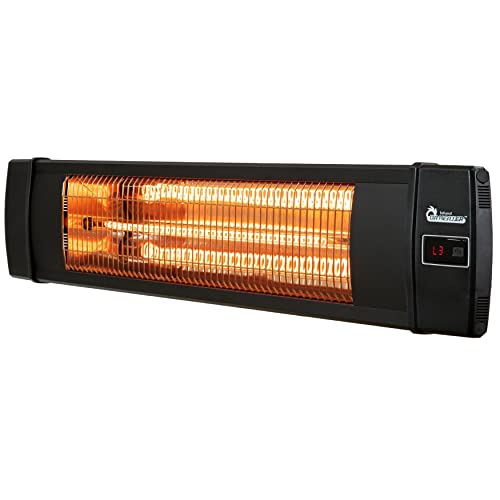
This unit Is IP55 approved for both indoor and outdoor use, using a carbon infrared element to produce clean, instant, odorless heat. It offers three power settings (900W, 1200W, 1500W), runs on standard 120V, and includes a remote for convenient control. The product is marketed for patios, decks, restaurants, garages, and similar spaces where reliable, targeted infrared warmth is desired.
Key strengths from the listed features: weather resistance (IP55) suitable for many outdoor settings, a flexible power range to balance warmth and energy use, and plug-and-play operation on standard household voltage. Installation options and remote control make it adaptable for mounted or semi-permanent setups.
Considerations based on features: IP55 denotes solid protection against dust and water jets, but placement under heavy exposure (direct rain or splash-prone zones) still requires sensible positioning. The 120V operation is convenient for North American residential outlets but limits maximum heating compared to high-voltage commercial models.
SereneLife Infrared Patio Heater

Call 888-896-7031 for Free Local HVAC Quotes – Compare and Save Today!
The SereneLife unit is a 1500W electric standing patio heater using carbon fiber heating elements and rated IP24 for weather resistance. It advertises instant, odorless warmth, three heat levels, and an aluminum alloy frame with stainless steel base cover for corrosion resistance. ETL certification and an 88% efficiency claim emphasize energy-conscious performance.
From the product features: the high-efficiency carbon fiber element produces focused infrared heat quickly, while the IP24 rating supports protection against splashing water and light outdoor exposure. The standing design suits terraces and restaurant seating where a freestanding heater is preferred. A remote control enables convenient adjustments while seated.
Limitations implied by features: IP24 provides less ingress protection than IP55 units, so placement under awnings or in covered patios is recommended. The single 1500W power level with selectable settings is ideal for many residential patios but may be less powerful across large, exposed areas compared with higher-BTU ceiling heaters.
Dr. Infrared 3000W Infrared Heater
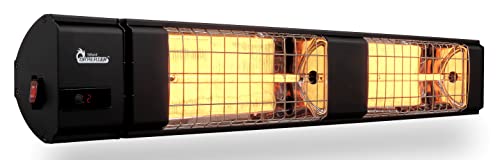
This higher-capacity model delivers 10,260 BTU / 3000W using carbon infrared technology and operates on 220–240V. It is rated IP55 for outdoor suitability and includes mounting hardware for ceiling or wall installation. A remote and two power levels plus standby mode are specified for convenient control.
Features indicate it is aimed at larger patios, garages, or commercial spaces where higher output is required. Installation options make it suitable for fixed ceiling mounts over dining areas or open-air restaurant seating. The weatherproofing (IP55) enables use in many outdoor conditions when mounted appropriately.
Call 888-896-7031 for Free Local HVAC Quotes – Compare and Save Today!
Considerations: the 220–240V requirement often matches commercial circuits or specific residential wiring — installation planning and compatible power supply are important. This model’s high output supports larger coverage but demands proper electrical setup and placement to maximize efficiency and safety.
Star Patio Infrared Heater

The Star Patio heater uses a honeycomb-shaped infrared emitter and offers a 1200W output with claimed coverage up to ~110 sq. ft. It includes a 180° oscillation feature, enabling wider heat distribution for table-side or small-gathering scenarios. The design is freestanding with a matte black finish and highlights wind resistance compared to convective gas heaters.
Listed features focus on silent operation, quick warm-up, and an energy-efficient infrared method. The oscillation function differentiates it for users seeking dynamic coverage around seating areas. The honeycomb heating pattern provides a glowing warmth similar to sunlight while aiming to maintain consistent heat in breezy conditions.
Notes on fit: this heater best suits small to medium-sized covered patios, gazebos, or spaces where a freestanding unit and oscillation improve comfort. Its 1200W rating is more conservative than 1500W or 3000W products but can be more energy-efficient in tighter spaces.
VAGKRI 42″ Tower Infrared Heater

The VAGKRI tower heater is a 42-inch, 1500W unit with IPX5 waterproofing, nine power levels, and a 24-hour timer. It claims 1-second fast heating and a 100° wide-angle heating range. The tower form factor is space-saving and designed for floor placement with customizable heat intensity from 620W up to 1500W.
From the specs: multiple power increments and timer control offer granular comfort adjustments and potential energy savings. IPX5 rating indicates strong protection against water jets, making it suitable for many outdoor patios and uncovered areas where occasional spray may occur. The wide-angle coverage targets flexibility for different seating arrangements.
Considerations include whether tower-style radiant heat meets your layout needs; towers radiate upward and outward but may not replace ceiling-mounted units for broad overhead coverage. The 9-level control is useful for matching comfort preferences and minimizing unnecessary power use.
Buying Guide: How To Choose An Infrared Patio Heater
Choosing the right infrared patio heater depends on several practical factors: coverage area, mounting preferences, weather exposure, power source, and control features. Below are key considerations to weigh against product features and intended use.
Heating Method And Efficiency
Infrared vs Convection: Infrared heaters warm people and objects directly rather than heating the air. This makes infrared systems effective in open or semi-open outdoor areas because heat is delivered to occupants instead of being lost to air movement.
Carbon Fiber Elements: Many listed models use carbon or carbon fiber heating elements for efficient, even radiant heat with quick warm-up and long element life. Compare element type and claimed efficiency where energy use matters.
Power And Coverage
Wattage And BTU: Higher wattage equates to more heating capacity. For small patios, 1200–1500W units may suffice. For larger or semi-open commercial spaces, consider higher-output models (e.g., 3000W / 10,260 BTU) that mount overhead to distribute heat over a broader zone.
Estimate required coverage by matching product claims (square footage or BTU) to your seating footprint and factoring in wind or open sides which reduce effective coverage.
Weather Resistance And IP Ratings
Understanding IP Ratings: IP ratings describe protection against dust and liquids. IP24 or IPX5 protects against splashing or jets of water respectively, while IP55 provides stronger protection versus dust and water jets. Choose a rating matching your exposure level — covered patios can use lower IP ratings; exposed spaces warrant higher IP protection.
Mounting Style And Placement
Ceiling/Wall Mount: Ceiling or wall-mounted infrared heaters deliver overhead warmth similar to sun warmth and are ideal for restaurants or larger patios. They often require dedicated wiring and professional installation for higher-voltage units.
Freestanding/Tower: Tower and freestanding models are portable, easy to position, and require no permanent installation. Towers are space-efficient but may provide more localized coverage than high-mounted units.
Power Supply And Installation
Voltage Considerations: Many consumer patio heaters run on 120V and plug into standard outlets. Higher-output units may require 220–240V circuits and professional wiring. Confirm household compatibility before purchasing to avoid installation surprises.
Timers, Remote Controls, And Levels: Remote controls, multiple heat levels, and timers add convenience and energy savings. Variable power levels allow tailoring warmth to different conditions and reduce unnecessary consumption.
Safety Features
Look for tip-over protection, overheat shutoff, and stable bases or secure mounting hardware. Tripod stands, weighted bases, or fixed mounts improve safety in windy or busy outdoor settings. Verify listed safety features if children or pets are present.
Durability And Materials
Materials such as stainless steel, aluminum frames, and powder-coated finishes increase resistance to corrosion. For coastal locations, prioritize corrosion-resistant materials and higher IP ratings to handle salt air and spray.
Coverage Perspective: Single Table Vs Large Patio
For a single table or small cluster, a 1200–1500W freestanding or tower heater typically suffices. For large restaurant patios or wide seating areas, consider ceiling-mounted or 220–240V units with higher BTU output to deliver consistent heat across more square footage.
Energy Efficiency And Cost Considerations
Infrared heaters are efficient for targeted heating, but wattage still determines operating costs. Use variable power levels and timers to limit runtime. Compare claimed efficiency of heating elements (e.g., carbon fiber) and choose unit sizes matched to the space to avoid overspending on power.
Maintenance And Warranty
Check manufacturer warranty and service terms. Maintenance is generally minimal for infrared heaters but inspect elements and protective grills periodically for debris, and ensure outdoor units are mounted or stored according to manufacturer guidance.
Tips for Getting the Best HVAC Prices
- Prioritize Quality Over Cost
The most critical factor in any HVAC project is the quality of the installation. Don’t compromise on contractor expertise just to save money. - Check for Rebates
Always research current rebates and incentives — they can significantly reduce your overall cost. - Compare Multiple Quotes
Request at least three estimates before making your choice. You can click here to get three free quotes from local professionals. These quotes include available rebates and tax credits and automatically exclude unqualified contractors. - Negotiate Smartly
Once you've chosen a contractor, use the proven strategies from our guide — How Homeowners Can Negotiate with HVAC Dealers — to get the best possible final price.
Comparison Summary
- Best For Portability: Tower and freestanding models (VAGKRI, SereneLife) deliver flexibility in placement.
- Best For High Output: Higher-wattage ceiling/wall units (Dr. Infrared 3000W) handle larger areas and semi-open commercial spaces.
- Best For Covered Residential Patios: 1200–1500W models like Star Patio and SereneLife balance efficiency with comfort for small-to-medium seating areas.
- Best For Harsh Outdoor Exposure: Units with IP55 (Dr Infrared DR-238, Dr. Infrared 3000W) provide stronger protection against dust and water jets.