
Choosing the right infrared heater for a gazebo means balancing mounting style, weather protection, heat output, and control options. Below is a quick comparison of five well-suited infrared heaters for gazebos, followed by detailed product sections and a practical buying guide.
| Product | Mount Type | Weather Rating | Max Power |
|---|---|---|---|
| Dr Infrared Heater DR-238 | Portable / Wall-capable (plug-and-go) | IP55 | 1500W |
| ZeboZap Infrared Electric Patio Heater | Wall / Strap To Post | Not specified (designed for indoor/outdoor) | 1500W |
| PowerScale Infrared Heater (24H Timer) | Wall-mounted | IP65 | 1500W |
| Ceiling Electric Outdoor Heater (sundate) | Wall / Ceiling | IP65 | 1500W |
| Hanging Patio Heater (Paraheeter) | Hanging / Ceiling | IP55 | 600/900/1500W |
Content Navigation
- Dr Infrared Heater DR-238 Carbon Infrared Outdoor Heater
- ZeboZap Infrared Electric Patio Heater With Strap To Post
- Powerscale Infrared Heater 24H Timer With IP65 Rating
- Ceiling Electric Outdoor Heater Wall-Mounted Hanging Patio 1500W
- Hanging Patio Heater, Outdoor/Indoor Electric Infrared
- Buying Guide: How To Choose An Infrared Gazebo Heater
Dr Infrared Heater DR-238 Carbon Infrared Outdoor Heater
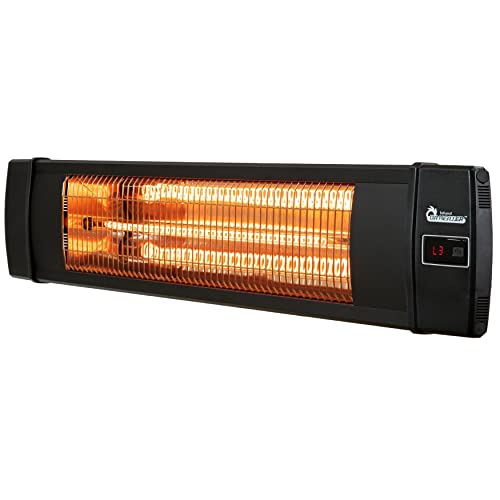
Intended Use: Rated for both indoor and outdoor use, this unit targets patios, decks, and open-air restaurant areas where a plug-and-play solution is preferred.
Weather Resistance: The DR-238 carries an IP55 rating, allowing it to tolerate rain and splashing—useful for partially open gazebos.
Heat Performance: Offers three power settings (900W, 1200W, 1500W) and carbon infrared heating for quick, odorless warmth. The 120V design runs from a standard outlet and includes remote control.
Installation & Controls: This model is effectively a plug-and-go option suitable for temporary or semi-permanent gazebo setups. Remote control simplifies adjustments from seating areas.
Call 888-896-7031 for Free Local HVAC Quotes – Compare and Save Today!
Who It Fits: Gazebo owners who want an easy-to-use, weather-resistant heater without hardwiring or permanent mounting.
ZeboZap Infrared Electric Patio Heater With Strap To Post

Intended Use: Designed for flexible installation: strap to a post, mount on walls, or ceiling install for gazebos and pergolas.
Heat Technology: Uses infrared heating to warm objects directly rather than air, which is beneficial in open or windy gazebo environments where convective heat dissipates quickly.
Installation Options: The strap-to-post option is practical for gazebo posts and freestanding frames; the heater can also be mounted permanently if preferred.
Ease Of Setup: The product emphasizes DIY installation with basic tools and includes a manual to guide consumers through mounting in typical gazebo layouts.
Call 888-896-7031 for Free Local HVAC Quotes – Compare and Save Today!
Who It Fits: Users seeking flexible mounting choices for a gazebo that may not allow simple wall or ceiling hardwiring.
Powerscale Infrared Heater 24H Timer With IP65 Rating

Intended Use: Built for outdoor and semi-exposed spaces like gazebos, with safety and convenience features for repeated, scheduled use.
Weather Resistance & Safety: Has an IP65 rating for water and dust protection plus ETL certification and overheating/tip-over protections for safer gazebo use.
Heat & Controls: Offers 1500W output, 9 heat levels, a 24-hour timer, and a memory function that restores the last setting. These features allow tailored heat management for different gazebo activities.
Who It Fits: Users who want advanced control (timers, memory) and a robust weather rating for permanent gazebo mounting.
Ceiling Electric Outdoor Heater Wall-Mounted Hanging Patio 1500W

Intended Use: Specifically promoted for gazebos, balconies, patios, and outdoor cafes with both wall and ceiling mounting brackets included.
Weather Resistance & Durability: Offers an IP65 rating plus rustproof metal housing for long-term outdoor exposure—suitable for gazebos open to the elements.
Heat & Features: The heater claims 1-second fast heating
Who It Fits: Homeowners wanting a permanently mounted, high-efficiency heater for covered gazebos where run-time control and a durable exterior are priorities.
Hanging Patio Heater, Outdoor/Indoor Electric Infrared
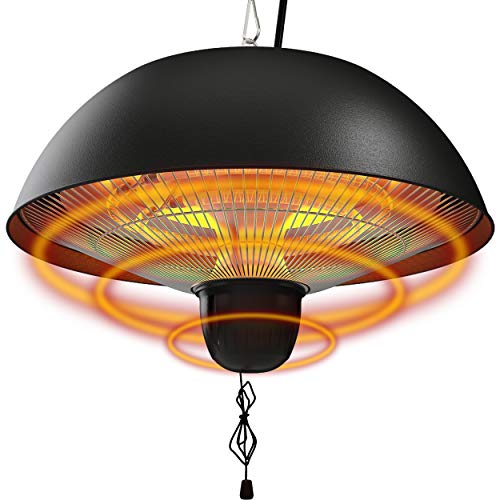
Intended Use: A ceiling/hanging-style unit suited for gazebos, pergolas, and covered decks where overhead mounting gives even coverage.
Heat Settings & Efficiency: Offers three power modes (600W, 900W, 1500W) to match different occupancy levels and conserve energy when full output isn’t needed.
Weather & Lifespan: With an IP55 rating and halogen/carbon-style heating elements reportedly rated for extended life, this model supports moderate outdoor exposure and regular use.
Who It Fits: Gazebo owners who prefer overhead hanging heaters with variable power settings and a straightforward installation.
Buying Guide: How To Choose An Infrared Gazebo Heater
Choosing an infrared heater for a gazebo depends on four core factors: heating performance, mounting and placement, weather protection, and controls/features. Use the checklist below to match heater attributes to your gazebo setup.
Heating Performance
- Wattage: Most effective gazebo heaters are 1500W for quick, direct warmth. Lower settings (600–900W) are useful for smaller gatherings or energy savings.
- Coverage: Infrared heaters warm people and surfaces rather than air. Expect effective coverage within a 6–10 foot radius depending on mounting height and heater power.
- Warm-Up Time: Infrared models typically deliver heat instantly or within seconds. For intermittent gazebo use, instant heat is beneficial.
Mounting And Positioning
- Ceiling/Hanging: Offers even coverage for central gazebo placement. Ideal where headroom and secure supports exist.
- Wall-Mounted/Strap-To-Post: Good for heating seating zones near one side of the gazebo and for limited mounting options.
- Portable/Plug-And-Go: Flexible but may require running outdoor-rated extension cords and careful placement to avoid tipping.
Weather Resistance
- IP Ratings: IP55 allows protection from rain and splashing. IP65 offers stronger water and dust protection for more exposed gazebos.
- Materials: Rustproof housings (aluminum, stainless steel) extend service life in humid or coastal environments.
Controls, Safety, And Convenience
- Controls: Remote control, timers, and Wi‑Fi options let you adjust heat without leaving the seating area. Memory functions restore preferred settings.
- Safety: Look for ETL/UL listings, overheating protection, and auto-shutoff for tip-over (if portable).
- Timers: 24-hour timers allow pre-heating or shutdown scheduling for consistent comfort and energy savings.
Energy Use And Efficiency
- Efficiency: Carbon fiber or halogen infrared elements often report high radiant efficiency and lower energy loss in open-air conditions compared to convection heaters.
- Adjustable Power Levels: Multiple heat levels help reduce consumption when full output is unnecessary.
Installation Considerations
- Electrical Supply: Confirm outlet availability and circuit capacity. Hardwired units require a qualified electrician for permanent installations.
- Mounting Hardware: Ensure your gazebo structure can support the heater weight and that mounting brackets are compatible with post or ceiling dimensions.
- Clearance: Maintain manufacturer-specified clearances from combustible materials and ensure safe distance above people and furniture.
Comparison Perspectives
- Durability vs. Cost: Higher IP ratings and metal housings generally increase durability but may add cost. Balance expected outdoor exposure with investment level.
- Flexibility vs. Permanence: Portable plug-and-play units offer flexibility but less integrated appearance than permanently mounted ceiling or wall heaters.
- Control Features vs. Simplicity: Advanced controls (Wi‑Fi, timers, memory) add convenience. Simpler models are less complex to install and use.
Use the above guide to match heater specs to your gazebo’s size, exposure, and desired control level. Prioritize IP rating and mounting type to ensure long-term performance for outdoor use.
Tips for Getting the Best HVAC Prices
- Prioritize Quality Over Cost
The most critical factor in any HVAC project is the quality of the installation. Don’t compromise on contractor expertise just to save money. - Check for Rebates
Always research current rebates and incentives — they can significantly reduce your overall cost. - Compare Multiple Quotes
Request at least three estimates before making your choice. You can click here to get three free quotes from local professionals. These quotes include available rebates and tax credits and automatically exclude unqualified contractors. - Negotiate Smartly
Once you've chosen a contractor, use the proven strategies from our guide — How Homeowners Can Negotiate with HVAC Dealers — to get the best possible final price.