Choosing the right heater means balancing heating technology, room size, safety, and controls. Below is a concise comparison of five top units that represent infrared panels, mica infrared, dual-system infrared, and oil-filled radiant designs. Each product summary links to the original Amazon listing for details and purchasing.
Type: Wall-mounted infrared panel. Main Features: Wi‑Fi enabled for remote temperature control, tip-over safety shutoff, touch screen with digital thermostat, remote included, space-saving wall mount design. This model targets rooms where floor space is limited and integrates with smart-phone control for scheduling and remote temperature adjustments. The panel design radiates heat to objects and occupants rather than only warming air, which can result in perceived warmth even when ambient air is cooler. Safety features include automatic shut-off for tip-over events and built-in thermostat for maintaining setpoint temperatures.
Ballu Mica Infrared Space Heater, 1500W Panel With App Control
Type: Mica far-infrared panel. Main Features: Advanced mica far-infrared heating element, durable all-metal body, 180° panoramic heating for wide-angle warmth, rapid surface heat-up (described as 10 seconds to emit), app control with scheduling, remote, digital panel, works with Alexa, 2-year warranty. The mica element emits far-infrared wavelengths that penetrate and warm objects and people. The wide-angle output aims to reduce cold spots and distribute heat more uniformly across a room. Smart controls enable automation and voice control integration for convenience.
Call 888-896-7031 for Free Local HVAC Quotes – Compare and Save Today!
Type: Compact wall-mounted infrared heater. Main Features: Infrared heating warms objects rather than air, safe-touch grill, automatic tip-over shut-off, modern wall mount design optimized for small rooms like bathrooms, bedrooms, and offices. With 1000W output, this model is oriented toward supplemental heat in targeted zones and benefits situations where quick, direct felt warmth is needed. The safe-touch grill reduces burn risk if touched, and the Wi‑Fi capability permits remote control and scheduling if installed at the wall.
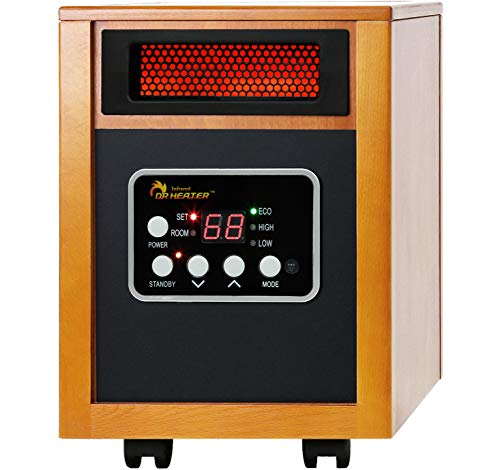
Dr Infrared Heater Portable Space Heater, 1500-Watt
Type: Portable dual heating (infrared quartz tube + PTC). Main Features: Dual heating system combining infrared quartz tubes and PTC ceramic elements for increased heat output, auto energy saving mode, tip-over and overheat protection, remote control, quiet blower (39 dB), 12-hour timer. This unit is built for larger rooms, where the blower assists in distributing heat while the infrared tubes provide direct radiant warmth. The dual-system design aims to combine rapid radiant heat with sustained convection to maintain room temperature efficiently.
Dreo Oil Filled Radiator Electric Radiant Heaters For Indoor Use
Type: Oil-filled radiator (radiant/convection). Main Features: 1500W oil-filled fins, remote control, child lock, multiple modes, overheat and tip-over protection, 24h timer, digital thermostat, quiet operation. Oil-filled radiators warm internal oil and radiate heat from the fins; they operate silently and continue to emit warmth after being turned off due to stored heat. While not an infrared emitter, oil-filled designs provide steady, even warmth and are often chosen for bedrooms and living areas where noise and air movement should be minimal.
Product Comparison And Performance Notes
Heating Method Differences: Infrared and mica panels (Heat Storm, Ballu) directly warm objects and people via radiant energy. DR Infrared mixes radiant quartz with PTC convection to combine direct and circulated heat. Dreo oil radiator relies on heated fluid and fin radiation for steady, lingering warmth. These differences affect perceived warmth, recovery time, and suitability for open vs. closed spaces.
Call 888-896-7031 for Free Local HVAC Quotes – Compare and Save Today!
Room Size And Coverage: Panel heaters like the Heat Storm models are best for focused zones and rooms where you want direct felt warmth without a fan. The Ballu 1500W panel targets larger coverage with a wide-angle pattern. DR Infrared’s blower can serve larger rooms more quickly, while oil-filled radiators work well for maintaining even temperature in medium to large rooms over time.
Control And Smart Features: Smart Wi‑Fi control (Heat Storm models, Ballu) enables scheduling, remote setpoint changes, and integration with voice assistants. Remote and digital panels are common across these products for manual adjustments. Consider whether app control or simple manual dials better match your routine.
Safety And Build Quality Considerations
Safety Features: Tip-over shutoff and overheat protection are standard across these selections. Panel heaters often include safe-touch grills to reduce burn risk. Oil radiators are typically cool-to-touch at the fins relative to bare-element heaters but still implement multiple safety layers like thermal cutoffs and child locks.
Durability And Materials: Metal housings and mica elements are durable and resist warping. Oil-filled units have sealed reservoirs; quality valves and fittings prevent leaks. Look for ETL/UL/CE listings and manufacturer warranties when evaluating long-term reliability.
Buying Guide: How To Choose The Right Heater
This guide helps weigh the key criteria when selecting an infrared or oil-filled heater for American homes.
1. Heating Technology And Desired Effect
Infrared/Mica Panels: Best For Direct, Instant Felt Warmth. They heat objects and occupants, which creates immediate comfort even if room air is cooler.
Infrared + Convection (Dual Systems): Offers fast radiant warmth plus circulated heat to raise ambient air temperature faster—useful for larger rooms.
Oil-Filled Radiators: Provide steady, even, and silent heat. They retain heat longer and are ideal for all-night use in bedrooms.
2. Room Size And Placement
Calculate approximate BTU/Watt needs: 10 watts per square foot is a common starting point for supplemental heating. A 1500W unit typically suits up to ~150 sq ft for supplemental heat but actual coverage varies by insulation and ceiling height.
Wall-mounted panels save floor space and are suitable for small rooms, bathrooms, and offices. Portable units offer flexibility between rooms.
3. Controls, Connectivity, And Scheduling
Wi‑Fi/App Control: Enables remote scheduling and integration with smart home systems. Useful for preheating rooms before arrival.
Simple Controls: Manual dials and remotes are reliable and easy to operate without network setup.
4. Safety Features
Look for tip-over shutoff, overheat protection, and cool-touch grills if children or pets are present.
Confirm certifications (ETL/UL) for electrical safety and fire resistance.
5. Noise And Comfort Preferences
Oil-filled radiators operate silently and are preferred in bedrooms. Infrared panels are also quiet. Units with blowers (like DR Infrared) will generate some fan noise, which can be noticeable during operation.
6. Efficiency And Operating Costs
Electric heaters convert nearly all energy to heat; however, perceived efficiency varies. Infrared heaters can feel warmer at lower air temperatures because they heat occupants and objects directly, potentially reducing runtime.
Programmable thermostats and timers reduce runtime and energy use by delivering heat only when needed.
7. Portability And Installation
Portable models require no installation and can be moved between rooms. Wall-mounted panels need secure mounting and may be semi-permanent.
Consider cord length and available outlets; some models include dedicated mounting hardware or stands.
8. Maintenance And Longevity
Infrared panels and mica heaters are low-maintenance; periodically dust grills and ensure vents remain clear.
Oil radiators are sealed; no topping off is required, but inspect for damage and store properly when not in use.
9. Comparing Specific Use Cases
Bedroom All-Night Use: Oil-filled radiator (Dreo) or quiet panel with thermostat for consistent comfort and low noise.
Small Office Or Bathroom: Wall-mounted infrared panel (Heat Storm HS-1000) to save floor space and provide immediate warmth.
Large Living Area: Dual-system units (DR Infrared) or high-output 1500W panels with blower to circulate heat.
Smart Home Integration: Choose models with Wi‑Fi and app support (Heat Storm HS-1500, Ballu) for scheduling and voice control.
10. Safety & Regulatory Checks Before Purchase
Confirm product certifications and check the manufacturer’s documentation for recommended usage—especially for bathrooms or damp locations.
Follow clearance guidelines from walls and furniture and do not block grills or airflow.
Final Comparison Tips
When narrowing choices, weigh how quickly you need warmth (infrared is immediate), whether silent operation matters (oil radiators excel), and if you prioritize smart controls (Wi‑Fi models). Evaluate installation constraints—if floor space is limited, prefer wall-mounted panels; if flexibility is needed, choose portable models with casters.
Check warranty length and customer support reputation for long-term confidence. Balance technical specifications with practical use case: a quieter, lower-output heater may outperform a louder high-output unit if used in the right room and schedule.
Tips for Getting the Best HVAC Prices
Prioritize Quality Over Cost The most critical factor in any HVAC project is the quality of the installation. Don’t compromise on contractor expertise just to save money.
Check for Rebates Always research current rebates and incentives — they can significantly reduce your overall cost.
Compare Multiple Quotes Request at least three estimates before making your choice. You can click here to get three free quotes from local professionals. These quotes include available rebates and tax credits and automatically exclude unqualified contractors.