
Infrared and red light heaters cover a range of formats from wearable pads to standing heat lamps and full-size heating pads. Below is a quick comparison of five well-matched products to help you pick the right device for muscle recovery, joint pain relief, or skin therapy.
| Product | Type | Primary Use |
|---|---|---|
| HALIDODO Red Light Therapy Knee Brace | Wearable Red/NIR Device | Knee/joint recovery, localized therapy |
| Rhmip 275W Near Infrared Heat Lamp | Floor Standing Infrared Lamp | Deep muscle and joint heating |
| LHCYLDQ 275W Standing Infrared Lamp | Adjustable Standing Lamp | Targeted whole-limb or back treatment |
| Pure Enrichment Far Infrared XL Heating Pad | Far Infrared Heating Pad | Large-area muscle and back relief |
| Beurer IL50 Infrared Heat Lamp | Tabletop Infrared Lamp | Facial care, sinus relief, localized muscle pain |
Content Navigation
HALIDODO Red Light Therapy Knee Brace

This wearable knee device combines 660nm red light and 850nm near-infrared wavelengths with vibration and heat therapy. Designed to improve circulation and stimulate tissue regeneration, it targets knee, joint, elbow, and shoulder areas for recovery and pain relief.
Key features include three-level vibration, five heating zones, and a wireless rechargeable controller. The combination of surface red light and deeper-penetrating NIR aims to address both skin-level and deeper tissue concerns. The device is best suited for users seeking focused treatment on a single joint or limb with hands-free wearability.
Rhmip 275W Near Infrared Heat Lamp

This high-power floor infrared lamp uses a 275W bulb to generate near-infrared heat for muscle soreness and joint pain. The lamp converts near-infrared energy into heat that penetrates deeper skin layers to increase blood flow and promote relaxation.
Call 888-896-7031 for Free Local HVAC Quotes – Compare and Save Today!
Manufacturer guidance recommends maintaining distance (about 19 inches or more) and limiting session time. The lamp is designed for comprehensive heating sessions on larger body areas such as back, shoulders, or legs, where sustained deep warming is beneficial.
LHCYLDQ 275W Red Near Infrared Lamp

Similar to other high-power lamps, this 275W standing infrared lamp offers a 360-degree rotating head and adjustable arms on a wheeled base for mobility. It targets muscle soreness, joint discomfort, and localized pain with near-infrared heating.
The adjustable angle and mobile stand make it useful in shared spaces or clinics where positioning and repeated treatments across body regions are needed. Recommended session durations align with typical near-infrared protocols to avoid overheating.
Pure Enrichment PureRelief Pro Far Infrared XL
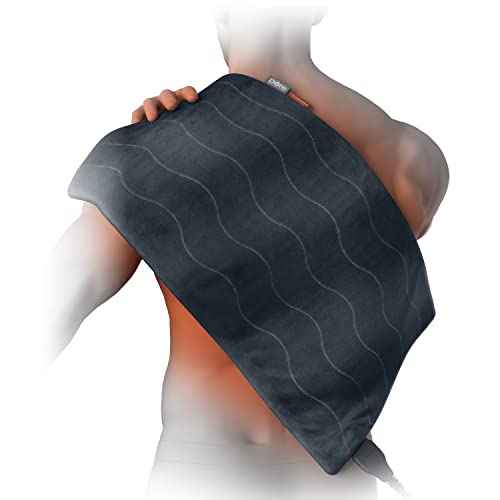
This extra-large heating pad uses Far Infrared (FIR) technology with heat-retaining ceramic beads that aim to deliver wavelengths that penetrate below the skin’s surface. The 12″ x 24″ size covers larger areas such as back, abdomen, or legs.
Call 888-896-7031 for Free Local HVAC Quotes – Compare and Save Today!
The product supports dry and moist heat modes, four heat settings, and is marketed for chronic pain, inflammation, and muscle spasms. The FIR approach emphasizes deeper tissue warming without direct glowing heat sources, making it suited to extended localized treatments and coverage.
Beurer IL50 Infrared Heat Lamp

The Beurer IL50 is a compact infrared heat lamp intended for body, face, and sinus applications. It emphasizes drug-free pain relief by improving blood circulation and offers an adjustable angle and built-in digital timer for controlled sessions.
Its features include a 1–15 minute timer with automatic shut-off and user-friendly controls. The device is suitable for targeted facial care, cold symptom relief, and focused muscle tension treatment where a smaller, easy-to-position lamp is preferred.
Buying Guide: How To Choose An Infrared Or Red Heater
Choosing the right device depends on application, depth of heating required, convenience, and safety considerations. Below are key factors to evaluate when selecting an infrared or red light heater.
Wavelength And Penetration Depth
Red Light (visible 600–700nm) is absorbed mainly by surface layers and is commonly used for skin, collagen stimulation, and wound healing. Near-Infrared (NIR, ~800–1000nm) penetrates deeper tissues and is better for muscle and joint recovery. Far Infrared (FIR) heats more via thermal transfer and can target deep muscle layers via heat-retaining elements.
Format And Target Area
- Wearables (braces, wraps): Designed for localized therapy while allowing mobility; good for knees, shoulders, or elbows.
- Standing/Table Lamps: Provide direct radiant heating; suitable for deep-penetration sessions on larger areas like back or chest.
- Heating Pads: Offer broad coverage and sustained FIR heat; ideal for low-back, abdomen, or multi-area use.
- Handheld Wands / Small Lamps: Best for spot treatment and portability, though coverage is limited.
Power, Session Time, And Safety
Higher-power bulbs (150–275W) deliver stronger radiant heating and often shorter session durations. Observe manufacturer distance and time recommendations to avoid burns. Devices with timers, automatic shut-off, and variable power settings improve safety and usability.
Heat Type: Photothermal vs. Thermal
Photothermal Red/NIR: Uses light wavelengths to stimulate cellular responses in addition to warming. Effective for tissue repair and inflammation reduction. Thermal Infrared (FIR): Relies on heat transfer for pain relief, improved circulation, and muscle relaxation. Match the heat type to your goals: tissue healing (photothermal) versus generalized warming (thermal).
Coverage And Mobility
Consider whether you need wide-area coverage (choose XL pads or standing lamps) or targeted, hands-free treatment (wearables). Mobile stands and wheels add convenience for repeated in-home use, while compact lamps suit tabletop or travel needs.
Controls And Comfort Features
Look for adjustable power/temperature settings, timers, and ergonomic design. Heating pads may offer moist/dry modes; wearables should provide secure fit and comfortable materials. Lamps should have easy angle adjustment and protective guards to minimize burn risk.
Intended Uses And Contraindications
Match a device to your condition: skin therapy often benefits from red light at lower intensity; joint and deep muscle pain responds better to NIR or FIR. Avoid using high-heat or strong radiant devices on broken skin, over sensitive areas, or near the eyes unless specifically designed for facial use. Consult a medical professional when treating chronic conditions or if you are pregnant, have photosensitivity, or use light-sensitive medications.
Device Maintenance And Replacement Parts
Consider bulb replacement availability for lamp-style devices and battery/charger longevity for wearables. Heating pads should have removable, washable covers for hygiene. Durable stands and stable bases are important for safety with floor lamps.
Comparison Perspectives
- Depth Vs. Coverage: NIR lamps and FIR pads emphasize depth; wearables and masks emphasize localized, consistent contact.
- Power Vs. Control: Higher wattage offers faster heating but requires careful timing and distance control.
- Convenience Vs. Intensity: Wearables and pads are convenient for daily use; high-power lamps provide intense, clinic-style treatments.
Use these considerations to narrow choices based on the body area you plan to treat, whether you prefer portable or stationary devices, and how much control and protection the device offers for safe, effective sessions.
Tips for Getting the Best HVAC Prices
- Prioritize Quality Over Cost
The most critical factor in any HVAC project is the quality of the installation. Don’t compromise on contractor expertise just to save money. - Check for Rebates
Always research current rebates and incentives — they can significantly reduce your overall cost. - Compare Multiple Quotes
Request at least three estimates before making your choice. You can click here to get three free quotes from local professionals. These quotes include available rebates and tax credits and automatically exclude unqualified contractors. - Negotiate Smartly
Once you've chosen a contractor, use the proven strategies from our guide — How Homeowners Can Negotiate with HVAC Dealers — to get the best possible final price.