
Infrared tube heaters cover a range of applications from sauna elements to portable room and patio heaters. This guide compares five relevant Amazon products—sauna heating tubes, portable infrared space heaters, ceramic heater tubes, shortwave infrared bulbs, and outdoor carbon infrared units—so you can match form factor, power, and installation needs to your space.
| Product | Type | Best For |
|---|---|---|
| iDOTODO Full Far Infrared Carbon Fiber Glass Red Light Heater Tube | Sauna Far-Infrared Tube | Wooden Indoor/Outdoor Saunas |
| Dr Infrared Heater Portable Space Heater, 1500-Watt | Portable Infrared/Quartz | Large Indoor Rooms |
| ZJgZmslcd Ceramic Infrared Heater Tube, Silicon Carbide 300W | Ceramic Infrared Tube | Sauna Room Heating Elements |
| DATOUBOSS 1000W Shortwave Heater Bulb | Shortwave Quartz/Halogen Tube | Infrared Paint Curing / Fast Spot Heating |
| Dr Infrared Heater DR-238 Carbon Infrared Outdoor Heater | Carbon Infrared Patio Heater | Patio, Garage, Outdoor Dining |
Content Navigation
- iDOTODO Far Infrared Carbon Fiber Heater Tube
- Dr Infrared Portable 1500-Watt Heater
- ZJgZmslcd Ceramic Infrared Sauna Tube
- DATOUBOSS 1000W Shortwave Infrared Bulb
- Dr Infrared DR-238 Carbon Infrared Outdoor Heater
- Buying Guide: How To Choose Infrared Tube Heaters
- 1. Define The Application
- 2. Spectrum And Heat Delivery
- 3. Power, Voltage, And Coverage
- 4. Installation And Compatibility
- 5. Safety Features And Certifications
- 6. Durability And Maintenance
- 7. Control Options And Convenience
- 8. Efficiency And Perceived Warmth
- 9. Matching Heater Type To Installation Constraints
- 10. Replacement And Serviceability
- Comparison Perspectives
iDOTODO Far Infrared Carbon Fiber Heater Tube

This product is a far-infrared carbon fiber glass heater tube intended as a sauna heating element. The package lists a metal reflector, Canadian hemlock anti-scald iron mesh, the far-infrared lamp tube, and mounting screws. It does not include a plug or controller, so professional or DIY electrical integration with an existing sauna control panel is required.
Key features to note: the manufacturer emphasizes compatibility checks—confirm voltage and wattage match your sauna circuit. Warranty support is available for damaged tubes upon receipt. This unit suits users replacing or upgrading infrared sauna elements where carbon fiber radiant heating is desired and custom installation is acceptable.
Dr Infrared Portable 1500-Watt Heater
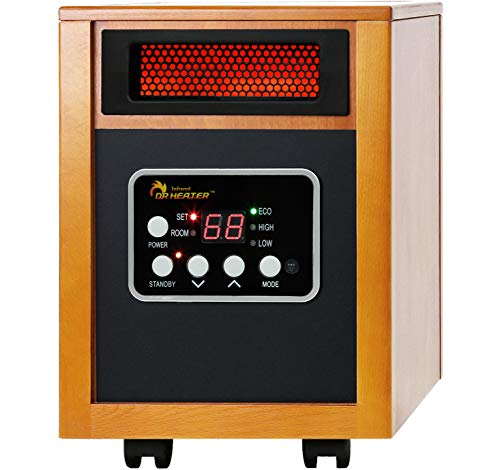
The Dr Infrared portable model combines an infrared quartz tube and a PTC element to deliver boosted heat output. It includes an IR remote, a 12-hour automatic shutoff timer, tip-over and overheat protection, and a low-noise blower rated around 39 dB.
Call 888-896-7031 for Free Local HVAC Quotes – Compare and Save Today!
Designed for larger rooms, the dual heating system claims increased effective heating compared to single-element units. The listed amperage and safety features indicate suitability for indoor residential use where a plug-and-play portable heater is preferred. Installation is not required beyond standard outlet use.
ZJgZmslcd Ceramic Infrared Sauna Tube

This listing specifies a silicon carbide ceramic infrared heater tube rated at 300W and 200V with a 600mm length option. Ceramic and silicon carbide elements are common in sauna heating for steady radiant output and durability at high temperatures.
As with other direct replacement tubes, verify voltage and wattage compatibility for your sauna controller. Ceramic tubes offer a different spectral output than carbon fiber or quartz, which can influence perceived warmth and heating distribution inside a sauna cabin.
DATOUBOSS 1000W Shortwave Infrared Bulb

This product is a 1000W quartz halogen shortwave infrared bulb designed primarily as a replacement for specific paint curing lamps (DT-SC-003). It emphasizes high luminous efficiency, strong penetrability, and shorter curing times due to direct internal heating.
Call 888-896-7031 for Free Local HVAC Quotes – Compare and Save Today!
Shortwave infrared bulbs produce concentrated, fast-acting heat with less visible light and are suited for industrial or shop applications like paint curing or spot heating. The listing advises confirming compatibility before installation if used outside the intended lamp model.
Dr Infrared DR-238 Carbon Infrared Outdoor Heater
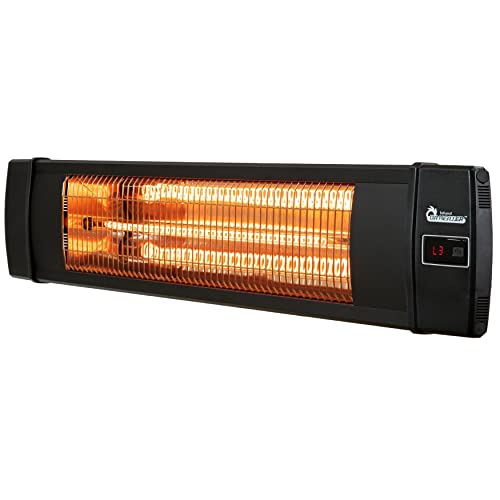
The DR-238 is an indoor/outdoor carbon infrared heater with IP55 rating, three power settings (900W, 1200W, 1500W), and remote control. The unit targets patios, garages, and commercial outdoor seating due to weatherproofing and odorless infrared output.
Carbon infrared heaters provide instant radiant warmth suitable for outdoor spot heating where convection is less effective. The three power levels allow adaptability to varying ambient conditions. Wall or ceiling installation hardware and standard 120V operation are part of the listed feature set.
Buying Guide: How To Choose Infrared Tube Heaters
Selecting the right infrared tube heater depends on application, power source, spectrum (shortwave vs far-infrared), installation complexity, and safety features. The following considerations compare perspectives and technical attributes to guide selection.
1. Define The Application
Infrared heaters serve distinct uses: sauna elements (far-infrared carbon or ceramic tubes), indoor room heating (portable quartz/PTC combos), outdoor/patio (carbon fiber wall/ceiling units), and industrial spot heating (shortwave quartz/halogen bulbs). Match the heater type to your environment before evaluating specs.
2. Spectrum And Heat Delivery
Infrared wavelengths impact heating behavior:
- Far-Infrared (FIR) — deeper, gentler heating ideal for saunas and direct-body warmth without very high surface temperatures.
- Shortwave/Quartz — rapid, high-intensity, good for curing processes and quick spot heating; may emit more visible light and surface heat.
- Carbon/ Ceramic — balanced radiant output; carbon often gives even, sun-like warmth while ceramic can be robust at high temperatures.
3. Power, Voltage, And Coverage
Consider wattage and expected coverage area. Portable 1500W units are common for room heating; multi-kilowatt ceiling or commercial units are used for large outdoor zones. Always confirm the unit’s voltage and that your circuit can supply the required amperage.
4. Installation And Compatibility
Replacement sauna tubes often come without plugs or controls and require integration with an existing control panel or electrician. Plug-and-play portable heaters need no installation. Outdoor wall/ceiling units may include mounting hardware but check IP ratings to ensure weather resistance.
5. Safety Features And Certifications
For indoor or residential use, look for tip-over protection, overheat cutoffs, and relevant safety listings (UL/ETL). Outdoor units should have an IP rating indicating protection against dust and water. Sauna elements should include instructions for thermal shielding and anti-scald meshes where applicable.
6. Durability And Maintenance
Ceramic and silicon carbide elements are known for longevity in high-temperature cycles. Carbon fiber tubes may provide efficient radiant output but check replacement availability. Shortwave quartz bulbs have finite lifespans and are common replaceable consumables in industrial uses.
7. Control Options And Convenience
Remote controls, timers, multiple heat levels, and Wi‑Fi or smart controls increase convenience. Portable models often include integrated blowers to aid heat distribution. Sauna tubes rely on the sauna controller for temperature scheduling and safety interlocks.
8. Efficiency And Perceived Warmth
Infrared heaters are efficient at converting electrical energy into radiant heat with minimal warm-up time. However, perceived warmth depends on direct line-of-sight exposure and emitter spectrum; shortwave feels more intense quickly, far-infrared feels gentler and more enveloping.
9. Matching Heater Type To Installation Constraints
Consider ceiling height, mounting surface, and surrounding materials. Outdoor heaters require corrosion-resistant housings and secure mounting brackets. Sauna elements demand non-combustible reflectors and correct spacing from wooden surfaces to meet safety guidelines.
10. Replacement And Serviceability
For products integrated into larger systems (sauna control panels or curing rigs), check whether replacement tubes or bulbs are readily available. Manufacturer support for defective tubes, as referenced in some listings, can be important when sourcing non-standard parts.
Comparison Perspectives
- Sauna Use: Prefer far-infrared carbon or silicon carbide ceramic tubes for even heating, confirm voltage and mount compatibility.
- Indoor Portable Heating: A dual-element portable with safety features suits living spaces and requires no wiring.
- Outdoor/Commercial: Carbon infrared wall/ceiling units with IP ratings and multiple power settings provide reliable spot heating for patios and dining areas.
- Industrial Processes: Shortwave quartz halogen bulbs provide rapid, high-intensity heat for curing and spot tasks, but require fixture compatibility and replacement planning.
Use the above considerations to weigh installation complexity, spectrum, power, safety, and maintenance when choosing an infrared tube heater suited to your intended application.
Tips for Getting the Best HVAC Prices
- Prioritize Quality Over Cost
The most critical factor in any HVAC project is the quality of the installation. Don’t compromise on contractor expertise just to save money. - Check for Rebates
Always research current rebates and incentives — they can significantly reduce your overall cost. - Compare Multiple Quotes
Request at least three estimates before making your choice. You can click here to get three free quotes from local professionals. These quotes include available rebates and tax credits and automatically exclude unqualified contractors. - Negotiate Smartly
Once you've chosen a contractor, use the proven strategies from our guide — How Homeowners Can Negotiate with HVAC Dealers — to get the best possible final price.