
Finding the right inline block heater or related accessory helps ensure reliable cold-weather starts and reduced engine wear. Below is a quick comparison of selected products chosen for compatibility, mounting style, power rating, and accessories.
| Product | Type | Key Feature | Typical Use |
|---|---|---|---|
| VANORM Replacement Cordset | Cordset / Connector | Silicone female connector, heavy-duty | Replacement cord for block heaters |
| Engine Block Immersion Heater 3100003 | Immersion / Freeze Plug Heater | Brass adapter, 400W, copper element | Oil pans, transmissions, small engines |
| GELUOXI Magnetic Engine Block Heater | Magnetic Heater | 200W, frost plug replacement types | Tractors, trucks, cars (200W applications) |
| Fexhull 1160X Magnetic Heater | Magnetic Heater | 400W, thermostat, magnetic base | Large engine blocks, generators, equipment |
| Zerostart 3100057 Engine Block Heater | Immersion Heater | 600W, CSA Approved, large diameter | Passenger cars and light trucks |
Content Navigation
VANORM Replacement Cordset Cord

This replacement cordset is designed for heavy-duty immersion heaters and engine block heaters operating at 120 volts. The cord features a single heavy-duty lead with a standard male plug and a silicone female connector intended to withstand temperature swings, moisture, and vibration common in engine compartments.
Key features include engineered durability for extreme conditions and compatibility with heavy-duty heaters for vehicles such as Dodge Ram Cummins and Ford F-series models. This accessory is useful when original cords are damaged, lost, or require a higher-grade connector for reliable winter operation.
Consider this cordset as a maintenance or replacement component rather than a standalone heating solution. Verify connector type and voltage compatibility with your heater before purchase.
Engine Block Immersion Heater 3100003

Call 888-896-7031 for Free Local HVAC Quotes – Compare and Save Today!
This immersion or freeze-plug style heater is a replacement part commonly listed as model 310-0003. It uses a copper heating element with plated stamped steel and forged brass adapters to provide stable resistance and good electrical conductivity. The unit is rated at 400 watts and 120 volts and is marketed for application across brands including Eagle, Jaguar, Jeep, Renault, Rover, Kubota, Massey, Perkins, and Yanmar.
Immersion heaters like this one are inserted into a coolant passage or oil pan plug and deliver direct heat to engine fluids. The manufacturer highlights applications in oil pans, transmissions, and hydraulic systems to keep oil warm and free-flowing for instant lubrication and reduced engine wear during winter starts.
Installation requires matching thread size and electrical supply. The brass adapter and copper element construction emphasize corrosion resistance and longevity in contact with engine fluids.
Magnetic Engine Block Heater 1155 1155X 1153

This magnetic engine block heater is specified to match frost plug heater part numbers 1153, 1155, and 1155X and operates at 120 volts, 200 watts. Magnetic heaters are designed to adhere to an external metal surface on the engine block using a magnetic base, providing heat transfer through the block wall without penetrating the coolant system.
The product is positioned to improve cold starts by warming engine oil and block metal, which enhances oil flow and lubrication, reduces start-up wear, and can support fuel economy. The 200-watt power level suits smaller engines or applications where lower wattage is recommended due to electrical limitations or vehicle design.
Call 888-896-7031 for Free Local HVAC Quotes – Compare and Save Today!
Magnetic options avoid the need for freeze plug removal or threaded installation but require a suitable flat metal mounting surface and may provide slower warm-up compared to immersed elements.
1160 1160X Upgraded Magnetic Engine Block Heater

The 1160/1160X magnetic heater is rated at 120V, 400W and is intended for a wide range of applications including tractors, snowmobiles, motorcycles, snow blowers, generators, and other equipment. The heater emphasizes a hassle-free setup with a sturdy magnetic base and includes an integrated thermostat that cuts power at higher temperatures and resumes heating when the block cools.
Thermostatic operation offers overheat protection and automatic cycling to maintain safe block temperatures. The higher 400-watt output makes it suitable for larger engines or situations where quicker warm-up is desired. The product documentation highlights use across oil pans, transmissions, hydraulic systems, and more, expanding beyond just passenger vehicles.
Magnetic heaters are useful where freeze plug access is restricted or where removal of cooling system components is undesirable, but they rely on adequate surface contact and may be affected by insulating paint or coatings on mounting surfaces.
Zerostart 3100057 Engine Block Heater
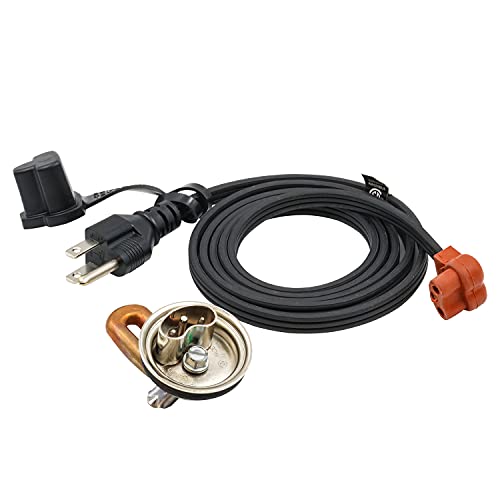
The Zerostart 3100057 is a 1-5/8-inch diameter immersion block heater rated at 120 volts and 600 watts with CSA approval. It is presented for fitment on a wide range of domestic vehicles including Buick, Cadillac, Chevrolet, Ford, Mercury, Lincoln, Jeep, Pontiac, Continental, and Oldsmobile according to manufacturer catalogs.
A higher-wattage immersion heater provides more rapid fluid heating and can be beneficial for larger engines or where faster pre-warm is required. The 600-watt rating coupled with CSA approval indicates compliance with safety standards and suitability for use in many passenger car and light truck applications.
Installation requires correct freeze plug/through-hole size and secure electrical connections. Because immersion units are in direct contact with coolant or oil, material compatibility and corrosion resistance are important factors in long-term performance.
Buying Guide: How To Choose An Inline Or Block Heater
Selecting an appropriate heater or accessory involves several technical and practical considerations. The sections below outline key factors to weigh for a safe, effective installation.
Heater Type
- Immersion/Freeze Plug Heaters: Install inside a coolant passage or oil pan. Provide direct heat to fluids for efficient warm-up. Require correct thread/plug size and more invasive installation.
- Magnetic External Heaters: Attach externally to block surface via magnet. No penetration of coolant system; easier installation. Heat transfer is indirect and may be slower.
- Cordsets and Connectors: Not heaters themselves but essential for safe power delivery. Choose cordsets rated for voltage, environment, and connector style of your heater.
Power Rating And Vehicle Needs
- Wattage Matters: Higher wattage (400–600W) warms larger engines faster. Lower wattage (100–200W) may be sufficient for small engines or where power draw must be limited.
- Electrical Supply: Confirm your available outlet circuit can supply the heater without overload. For garages, check circuit rating and extension cord limitations.
Compatibility And Fitment
- Thread/Plug Size: For immersion units, match the freeze plug or threaded opening size precisely to avoid leaks.
- Magnetic Mount Surface: Clean, flat metal surfaces deliver the best contact. Painted or insulated surfaces reduce heat transfer.
- Part Numbers & Fit Lists: Cross-reference manufacturer part numbers to vehicle make/model before purchase.
Materials And Durability
- Element Materials: Copper heating elements and brass adapters are common for conductivity and corrosion resistance.
- Sealing And Corrosion Resistance: Immersion heaters must maintain a reliable seal in coolant and oil environments; choose quality plated steel or brass components.
Safety And Controls
- Thermostats And Auto Cutoff: Units with thermostatic control reduce risk of overheating and cycling inefficiencies.
- Approvals And Standards: Look for recognized safety approvals where applicable (e.g., CSA) for compliance with electrical safety requirements.
- Circuit Protection: Use inline circuit breakers or fuse holders matched to the heater load to prevent electrical hazards. Accessories listed such as inline circuit breakers and ANL/ATO fuse holders are relevant for complete installations.
Installation Considerations
- Professional Versus DIY: Immersion heater installation can require draining coolant and mechanical skill. Magnetic heaters are often more DIY-friendly.
- Wiring And Connectors: Use heavy-gauge wire and rated connectors. Replace frayed or aged cordsets with specified replacements designed for engine compartments.
- Mounting Location: Choose locations that allow good electrical routing and minimal exposure to mechanical damage or moving parts.
Comparison Perspectives
- Performance: Immersion heaters typically heat fluids faster than magnetic external units due to direct contact with coolant/oil.
- Ease Of Installation: Magnetic heaters and replacement cordsets require less invasive installation compared to freeze plug immersion elements.
- Versatility: Magnetic heaters and some immersion types can be applied across equipment types (tractors, generators) whereas some immersion heaters are vehicle-specific.
- Longevity: Materials and installation quality influence longevity; immersion heaters with brass/copper components and proper sealing typically resist corrosion best.
Before purchasing, verify exact vehicle compatibility, required thread or plug sizes, and electrical circuit capacity. For safe and reliable operation, integrate appropriate circuit protection and use replacement cordsets that match the original plug type and environmental rating.
Tips for Getting the Best HVAC Prices
- Prioritize Quality Over Cost
The most critical factor in any HVAC project is the quality of the installation. Don’t compromise on contractor expertise just to save money. - Check for Rebates
Always research current rebates and incentives — they can significantly reduce your overall cost. - Compare Multiple Quotes
Request at least three estimates before making your choice. You can click here to get three free quotes from local professionals. These quotes include available rebates and tax credits and automatically exclude unqualified contractors. - Negotiate Smartly
Once you've chosen a contractor, use the proven strategies from our guide — How Homeowners Can Negotiate with HVAC Dealers — to get the best possible final price.