
Quick Overview: This guide compares five top instant hot heater options for point-of-use hot water and portable liquid warming. Included are tankless on-demand units, mini-tank systems, an under-sink dispenser with tank, and a portable immersion heater. Below is a summary table to help you match features at a glance.
| Product | Type | Key Feature |
|---|---|---|
| InSinkErator H-HOT150SN-SS | Instant Hot Water Dispenser + Tank | Near-boiling water, 60 cups/hour |
| Tankless Electric 110V 3000W | Point-of-use Tankless Heater | Digital display, 3000W rapid heating |
| BOSCH Tronic 3000 T 2.5-Gallon | Mini-Tank Water Heater | 2.5 gallon, 120V plug-in, 98% efficiency |
| KENUOS 2.5 Gallon Mini Tank | Mini-Tank Water Heater | LED display, T&P valve, 1500W |
| Norpro Instant Immersion Heater | Portable Immersion Heater | Nickel-plated brass, 120V 300W |
Content Navigation
InSinkErator Instant Hot Water Dispenser
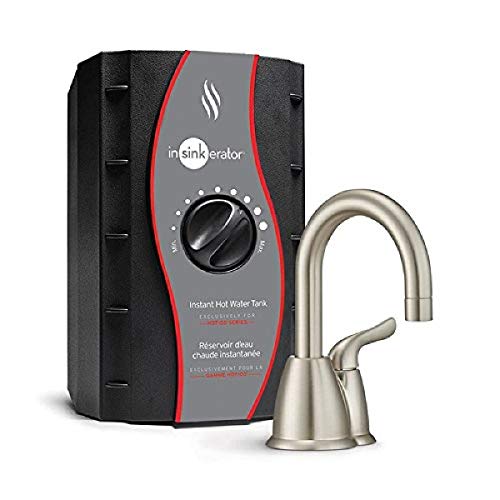
Type: Dispenser With Built-In Tank. This system includes a satin nickel dispenser faucet and a Hot100 2/3-gallon stainless steel tank. The product description lists delivery capability up to 60 cups per hour of near-boiling water, positioning it as a dedicated point-of-use solution for kitchens or beverage stations.
Key Features Referenced: Satin nickel finish dispenser, stainless steel tank, high output rate, and a one-year in-home limited warranty. The tank design indicates on-demand near-boiling water suitable for beverages and food prep without a secondary kettle.
Tankless Water Heater Electric 110V 3000W

Type: Point-Of-Use Tankless Unit. The listing emphasizes instant, continuous hot water with a 3000W element and LED digital display. It claims rapid temperature rise depending on flow (example: 0.3 GPM to 0.5 GPM changes).
Call 888-896-7031 for Free Local HVAC Quotes – Compare and Save Today!
Key Features Referenced: ABS housing, digital temperature display with Fahrenheit/Celsius option, IPX4 water resistance, multiple safety protections (leakage, dry-boil, overheat), and plug-in 110V compatibility. The vendor notes that higher flows reduce outlet temperature, which is typical for compact tankless heaters.
BOSCH Tronic 3000 T 2.5-Gallon Mini-Tank
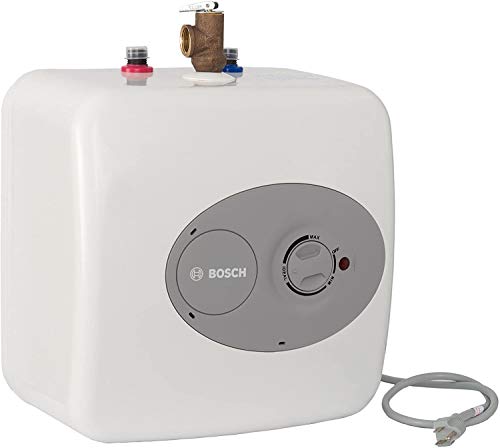
Type: Mini-Tank Electric Water Heater. This Bosch model is a 2.5-gallon point-of-use mini-tank designed to be installed under sinks or mounted. It provides stored hot water to eliminate wait time at nearby fixtures.
Key Features Referenced: 98% thermal efficiency, glass-lined tank material for durability, 120V plug-in operation, compact dimensions for under-sink installation, and independent installation capability for single-sink service.
KENUOS Under Sink Instant Hot Water Heater

Type: 2.5 Gallon Mini-Tank Point-Of-Use Heater. The listing highlights an upgraded thicker tank, LED temperature display, and integrated safety components including a T&P valve and 3-way diverter for feeding two sinks.
Call 888-896-7031 for Free Local HVAC Quotes – Compare and Save Today!
Key Features Referenced: 1500W heating power, rapid heating and recovery, LED temperature readout, included accessories (T&P valve, 3-way diverter, hoses), compatibility with 110/120V circuits, and recommendation for a 15A circuit breaker. The 3-way fitting adds versatility for multiple outlets.
Norpro Instant Immersion Heater Portable

Type: Portable Immersion Heater For Liquids. This nickel-plated brass unit is sized for warming small volumes such as coffee, tea, or soup. It is described as lightweight and travel-friendly, intended for office or on-the-road use.
Key Features Referenced: 120V and 300W rating, nickel-plated brass construction, UL approval noted by the vendor, and specific use cases including reheating liquids. The device is a low-capacity solution for direct immersion heating of cups or small containers.
Buying Guide: Choosing The Right Instant Hot Heater
Define The Use Case: Decide whether you need rapid near-boiling water for beverages, continuous on-demand hot water for a sink, stored instant hot water to reduce wait time, or a portable heater for travel. Each product type serves distinct needs.
Point-Of-Use Tankless vs Mini-Tank vs Dispenser Tank
- Tankless (On-Demand): Provides continuous hot water as long as electricity and flow are present. Best where a small flow rate is acceptable (handwashing, small kitchen tasks). Look for power rating and expected temperature rise per GPM.
- Mini-Tank: Stores a small volume (commonly 2.5 gallons) of hot water ready to use. Useful to eliminate wait time for a sink. Consider capacity and recovery time for repeated use.
- Dispenser With Tank: Combines a dedicated faucet and small tank for near-boiling water geared toward beverages and food prep. Check output rate (cups per hour) and tank material (stainless steel preferred).
Installation & Power Requirements
Electrical Supply: Confirm voltage and amperage. Many compact units are 120V plug-in but differ in wattage (e.g., 1500W vs 3000W). Higher wattage increases heating capability but may require a dedicated circuit.
Plumbing Connections: Mini-tanks and dispensers typically use 1/2″ NPT fittings or standard sink plumbing. Tankless units often require flow-control or pressure considerations; check compatibility with existing faucets and valves.
Performance Metrics To Compare
- Flow Rate and Temperature Rise: For tankless units, compare expected temperature increase at given flow rates (GPM). Higher flow reduces outlet temperature.
- Storage Capacity and Recovery: For mini-tanks, note gallons capacity and how quickly the unit reheats after drawdown.
- Output Temperature: Dispensers and hot-water tanks often state max temperature (near-boiling vs 140–160°F).
Safety Features
Essential Protections: Look for dry-boil protection, overheat shutoff, pressure-and-temperature (T&P) relief valves for tank units, leakage protection, and waterproof ratings for electrical components. These mitigate risks associated with point-of-use hot water devices.
Materials And Durability
Tank Construction: Stainless steel or glass-lined tanks resist corrosion and extend service life. For immersion heaters, corrosion-resistant metals like nickel-plated brass are typical.
Convenience & Serviceability
- Installation Type: Plug-in units simplify installation; hardwired or plumbed units may need a professional.
- Maintenance: Consider scale buildup in hard water areas—tank elements and small heaters can require descaling. Check for replaceable elements or accessible service panels.
- Accessories: Some mini-tanks include diverter valves, T&P valves, and fittings—these can reduce additional purchases.
Comparison Perspectives
Energy Use: Tankless units heat only when running, potentially saving energy for intermittent use. Mini-tanks maintain temperature and use standby energy but eliminate wait times. Consider usage patterns to evaluate energy trade-offs.
Instant Availability vs Continuous Supply: Mini-tanks provide immediate hot water for a short period; tankless units supply continuously with limits tied to flow and power. Dispensers provide very hot water quickly for drink preparation.
Portability: Immersion heaters are the most portable and lowest capacity. They are suitable for travelers or occasional reheating but not for sustained household hot water needs.
Safety And Local Codes
Compliance: Verify product listings for UL or relevant safety approvals. For permanent installs, check local electrical and plumbing codes and consult a licensed electrician or plumber when required.
Final Selection Checklist
- Identify primary use (beverages, sink use, travel).
- Confirm electrical circuit capacity and plug type.
- Match flow rate or tank capacity to expected usage.
- Prioritize safety features appropriate to installation.
- Consider maintenance needs given your water quality.
Additional Notes: Product specifications and features are taken from the vendor listings. For installation, warranty details, and advanced technical questions, consult manufacturer documentation or a licensed professional.
Tips for Getting the Best HVAC Prices
- Prioritize Quality Over Cost
The most critical factor in any HVAC project is the quality of the installation. Don’t compromise on contractor expertise just to save money. - Check for Rebates
Always research current rebates and incentives — they can significantly reduce your overall cost. - Compare Multiple Quotes
Request at least three estimates before making your choice. You can click here to get three free quotes from local professionals. These quotes include available rebates and tax credits and automatically exclude unqualified contractors. - Negotiate Smartly
Once you've chosen a contractor, use the proven strategies from our guide — How Homeowners Can Negotiate with HVAC Dealers — to get the best possible final price.