
Many campers ask “Is there a battery operated heater for camping?” Direct battery-powered space heaters designed for tents are extremely rare due to power and safety limits. This guide reviews five highly relevant camping heaters and explains battery-based alternatives, safety notes, and how to get warmth off-grid.
| Product | Type | Key Feature |
|---|---|---|
| Mr. Heater Portable Buddy MH9BX | Propane Radiant Heater | 4,000–9,000 BTU, indoor-safe |
| Mr. Heater Little Buddy MH4B | Propane Radiant Heater | 3,800 BTU, ODS & tip-over protection |
| Heat Hog 9,000 BTU | Propane Radiant Heater | Tiltable design, up to 225 sq. ft. |
| Mosoyolo 6,500 BTU | Propane Camping Heater | Electric igniter, tip-over leak protection |
| Amazon Basics Ceramic Space Heater | Electric Ceramic Heater | Compact 500W unit, tip-over protection |
Content Navigation
- Mr. Heater Portable Buddy Heater MH9BX
- Mr. Heater Little Buddy MH4B
- Heat Hog 9,000 BTU Portable Propane Heater
- Mosoyolo 6,500 BTU Portable Propane Heater
- Amazon Basics Ceramic Space Heater, Mini
- Are Battery-Operated Heaters For Camping Available?
- Battery-Based Alternatives For Off-Grid Warmth
- Safety Considerations For Camping Heaters
- How To Power An Electric Heater Off-Grid
- Comparing Propane Heaters And Battery Solutions
- Buying Guide: Key Considerations
- Practical Tips For Safe Warmth While Camping
Mr. Heater Portable Buddy Heater MH9BX
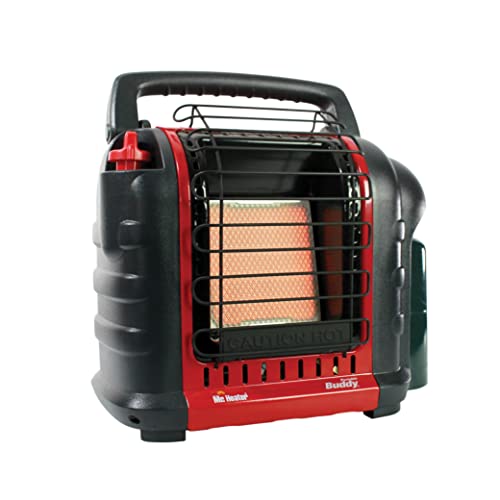
Brand: Mr. Heater. This propane radiant heater produces 4,000–9,000 BTU, using infrared-style radiant heat to warm objects and people directly rather than only the surrounding air. It’s rated for spaces up to roughly 225 sq. ft. and includes an improved tip-over safety switch and a durable Piezo igniter, so it does not require batteries for ignition. The unit runs on 1-lb disposable cylinders or larger tanks with adapters.
The Portable Buddy is frequently used in tents with caution, but because it uses open combustion of propane, users must follow ventilation and carbon monoxide safety guidance and check for an oxygen depletion sensor (ODS) if intended for enclosed tent use.
Mr. Heater Little Buddy MH4B
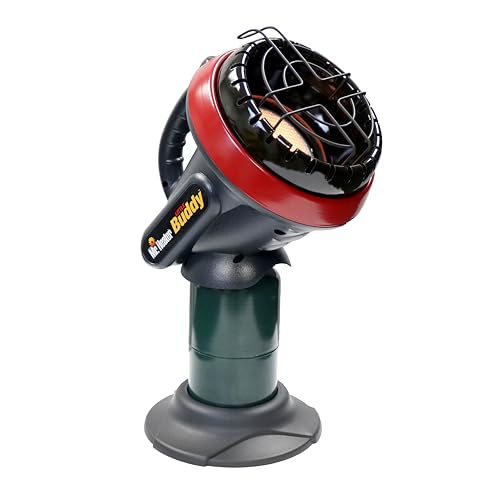
Brand: Mr. Heater. The Little Buddy delivers 3,800 BTU and is designed for smaller enclosures up to about 95 sq. ft. It includes an Automatic Low Oxygen Shut-off System (ODS) and tip-over protection. The unit is compact and lightweight and can run for several hours on a 1-lb propane cylinder at maximum output.
Call 888-896-7031 for Free Local HVAC Quotes – Compare and Save Today!
This model is common among small-tent users who require a compact radiant heater. Despite safety features, manufacturers and safety experts recommend ensuring ventilation and never leaving a heater unattended while sleeping unless the specific model is certified safe for enclosed sleeping spaces per local guidelines.
Heat Hog 9,000 BTU Portable Propane Heater

Brand: Heat Hog. This unit produces up to 9,000 BTU of radiant heat and is built with a tiltable design to direct heat where needed. It supports a 1-lb cylinder or a larger tank (with hose accessory) and claims coverage for up to roughly 225 sq. ft. Curved plaque technology widens the heating area compared with standard flat units.
The Heat Hog is positioned as a versatile outdoor and semi-enclosed-space heater for garages, tailgating, and campsite common areas. As with other propane models, monitor ventilation and heed manufacturer safety steps to reduce risks associated with combustion indoors.
Mosoyolo 6,500 BTU Portable Propane Heater

Brand: Mosoyolo. The Mosoyolo portable heater advertises 6,500 BTU with a built-in electronic igniter and tip-over automatic leak protection. The design includes an all-aluminum reflector panel, brass connector, and a folding base. It’s intended for outdoor and semi-enclosed use such as golf carts, tents with caution, and patio spaces.
Call 888-896-7031 for Free Local HVAC Quotes – Compare and Save Today!
This model emphasizes quick startup and integrated safety features to reduce gas leaks if tipped. It’s aimed at users who want a compact, electrically-ignited propane heater instead of match ignition.
Amazon Basics Ceramic Space Heater, Mini

Brand: Amazon Basics. This compact 500W ceramic heater is designed for desks and small indoor spaces and includes tip-over protection. It weighs only 1.4 lbs and produces quick heat via ceramic coils. The unit requires AC power and is not battery-operated, but its low wattage makes it a candidate for inverter/solar-battery setups for short-term off-grid use.
When considering bringing an electric ceramic heater camping, remember it needs a reliable AC power source and draws continuous power. For battery solutions, calculate run-time against battery capacity and inverter losses before use.
Are Battery-Operated Heaters For Camping Available?
Purely battery-operated space heaters that run on common consumer batteries (AA/AAA/D) are generally not available because producing significant heat requires high continuous power that standard batteries can’t supply efficiently or safely.
The market does include battery-powered heated clothing, heated pads, and small 12V heated blankets that plug into vehicle power or portable power stations. Also, propane and catalytic heaters remain common for camping due to their high heat output and compact fuel energy density.
Battery-Based Alternatives For Off-Grid Warmth
- 12V DC Heaters & Blankets — Often draw power from a car battery or 12V portable power station; lower heat output but useful for localized warmth.
- Battery Heated Clothing — Heated jackets, vests, gloves with rechargeable packs provide personal warmth while conserving overall energy.
- Rechargeable Infrared Pads — Small rechargeable pads deliver targeted heat for short durations.
- Electric Heaters With Inverter — Small electric ceramic heaters can operate from a large capacity power station with pure sine inverter, but run-time is limited and requires high-capacity battery storage.
- Solar + Battery Fan/Lantern Systems — These improve comfort but do not substitute for high-BTU heat sources.
Safety Considerations For Camping Heaters
- Ventilation: Open-combustion heaters require adequate fresh air to avoid carbon monoxide buildup.
- ODS & Tip-Over Protection: Choose units with oxygen depletion sensors and tip-over shutoffs if used in semi-enclosed spaces.
- Manufacturer Guidance: Follow the heater’s intended use—many are rated for well-ventilated shelters, not fully sealed tents.
- CO Monitors: Always bring a battery-powered or battery-backed carbon monoxide detector when using combustion heaters in and around sleeping areas.
- Fuel Storage: Store propane cylinders safely and away from heat or ignition sources.
How To Power An Electric Heater Off-Grid
Running an electric ceramic heater while camping requires a high-capacity power station and a suitable inverter. Estimate the heater’s watt draw (for example, 500W) and ensure the battery capacity (Wh) supports the desired runtime, factoring inverter efficiency losses (typically 10–20%). This approach is more feasible for short bursts rather than prolonged heating.
Comparing Propane Heaters And Battery Solutions
| Factor | Propane Heaters | Battery/Electric Options |
|---|---|---|
| Heat Output | High BTU for quick warming | Lower; best for personal heating |
| Run-Time | Dependent on cylinder size—usually hours per 1-lb cylinder | Dependent on battery Wh; limited for high-watt devices |
| Safety Concerns | Combustion gases, ventilation needed | Electrical overloads, inverter inefficiency, fire risk |
| Portability | Lightweight fuel vs. heavier batteries | Batteries can be heavy for equivalent energy |
| Use Cases | Heating group tents, common areas | Personal heating, heated clothing, short-term warmth |
Buying Guide: Key Considerations
Heat Requirement
Determine whether you need personal warmth (heated clothing, small pads) or space heating (to warm a tent or gathering area). Match BTU or wattage to the space size.
Power Source
Identify available power: propane cylinders are compact fuel-dense options; battery solutions require calculating watt-hours and inverter losses. For electric heaters, confirm the capability of your power station.
Safety Features
Look for ODS, tip-over shutoff, flame failure protection, and clear manufacturer guidance about indoor/tent use. Always pair combustion heaters with a CO monitor when used near sleeping areas.
Run-Time And Fuel Economy
For propane units, check run-time on a 1-lb cylinder at various BTU settings. For electric/battery options, calculate runtime as: battery Wh ÷ heater W × 0.8 (to account for inverter losses).
Portability And Setup
Consider weight, size, and how the heater mounts or stands. Some models include folding legs, tiltable heads, or require hoses for larger tanks.
Ignition Type
Electronic or Piezo igniters remove the need for matches or lighters. Electronic igniters may require a small battery for the spark on some models.
Certifications And Intended Use
Verify manufacturer ratings for indoor vs. outdoor use and check certifications. Models labeled indoor-safe usually include ODS and other safety systems, but still require cautious use.
Tips for Getting the Best HVAC Prices
- Prioritize Quality Over Cost
The most critical factor in any HVAC project is the quality of the installation. Don’t compromise on contractor expertise just to save money. - Check for Rebates
Always research current rebates and incentives — they can significantly reduce your overall cost. - Compare Multiple Quotes
Request at least three estimates before making your choice. You can click here to get three free quotes from local professionals. These quotes include available rebates and tax credits and automatically exclude unqualified contractors. - Negotiate Smartly
Once you've chosen a contractor, use the proven strategies from our guide — How Homeowners Can Negotiate with HVAC Dealers — to get the best possible final price.
Alternative Heat Strategies
- Layer clothing and use insulated sleeping pads to reduce heating needs.
- Use heated clothing or 12V blankets for targeted personal warmth.
- Combine a small radiant heater for common areas with battery-powered personal heaters for sleeping.
Practical Tips For Safe Warmth While Camping
- Keep heater clear of flammable materials and maintain a safe radius.
- Never leave combustion heaters unattended in occupied sleeping spaces without explicit certification from the manufacturer.
- Carry a dedicated battery CO alarm and extra batteries.
- Plan fuel and battery logistics: have spare propane cylinders or a generator/power station recharging plan.
- Consider wind and weather: radiant heaters perform differently in windy or open conditions; use sheltered areas but ensure ventilation.