
The following guide compares top electric jet-style heaters and portable heating solutions for American homes and small workspaces. Below is a quick summary table of the selected products to help you scan options before reading detailed reviews.
| Product | Type | Key Feature | Best For |
|---|---|---|---|
| Rugged Forced-Air PTC Heater (Dura Heat EUH1465) | Forced Air / Jet-Style | 1500W PTC Ceramic, pivoting base | Garages, workshops |
| GiveBest Portable Ceramic Heater | Ceramic Space Heater | Thermostat, 1500W/750W, tip-over and overheat protection | Offices, bedrooms, desks |
| Heat Storm HS-1500-PHX-WIFI | Infrared Wall-Mounted | Wi‑Fi control, wall mount, digital thermostat | Whole-room supplemental heat; space-saving rooms |
| Sunbeam Electric Royal Luxe Heated Blanket | Heated Blanket | 12 heat settings, 12-hour auto shut-off | Beds, lounging areas |
| JET’S HOME Heated Blanket Throw | Heated Throw | ETL certified, 5 heat levels, 3-hour auto-off | Personal warmth on couches and chairs |
Content Navigation
- Dura Heat EUH1465 Electric Forced Air Heater
- GiveBest Portable Electric Space Heater With Thermostat
- Heat Storm HS-1500-PHX-WIFI Infrared Heater (Wall Mounted)
- Sunbeam Electric Royal Luxe Heated Blanket
- JET’S HOME Heated Blanket 50″x60″ Machine Washable Throw
- Buying Guide: How To Choose The Right Electric Jet Heater Or Portable Heater
Dura Heat EUH1465 Electric Forced Air Heater
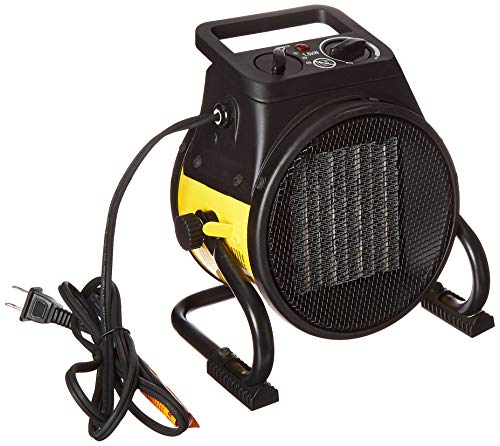
Type: Forced air jet-style heater with PTC ceramic element. Power: 1500W (5,120 BTU). Built with a rugged steel housing and a pivoting base for directing airflow. Offers heat and fan-only modes for year-round use.
Features highlight quick warm-up via forced-air circulation and a sturdy metal body suitable for garages and workshops. The pivoting base allows targeted heating, which is useful when you need a concentrated “jet” of warm air aimed at a specific workspace.
Consider this heater where durability and directional heated airflow matter. It is designed for small-to-medium workshop spaces and spot heating rather than whole-house heating. The control simplicity and robust construction are tailored for heavier-duty environments.
GiveBest Portable Electric Space Heater With Thermostat

Call 888-896-7031 for Free Local HVAC Quotes – Compare and Save Today!
Type: Ceramic heater with fan. Power Options: 1500W, 750W and a cool-fan setting. Built-in adjustable thermostat (0°F–158°F), tip-over protection and overheat shutoff for safety.
This compact unit delivers efficient local heating and cycles with the thermostat to maintain a set temperature. The tip-over and overheat protections are standard safety features that make it suitable for bedroom or office use. A built-in carry handle makes moving it between rooms straightforward.
Use this model for targeted room heating up to around 200 square feet. It balances portability with power and offers runtime control via the thermostat, which helps manage energy use when you’re not heating an entire home.
Heat Storm HS-1500-PHX-WIFI Infrared Heater (Wall Mounted)

Type: Infrared wall-mounted heater with Wi‑Fi connectivity. Includes touchscreen, remote, and digital thermostat. Designed to save floor space with a thin-profile mounting option.
Infrared heaters warm objects and people directly rather than primarily heating air, which can be more efficient in drafty or open rooms. The Wi‑Fi feature allows remote temperature control from a phone, useful for pre-warming rooms before arrival. This model is promoted for bedrooms, kitchens, or offices where wall mounting preserves floor space.
Call 888-896-7031 for Free Local HVAC Quotes – Compare and Save Today!
Consider this when you want a discreet, permanent supplemental heating source with smart controls and direct radiant warmth rather than forced-air circulation.
Sunbeam Electric Royal Luxe Heated Blanket

Type: Electric heated blanket for bedding. Controls: Digital controller with LED display and 12 heat settings plus selectable 12-hour auto shut-off and overheat protection.
Heated blankets provide direct personal warmth and can be a lower-energy way to stay comfortable without heating an entire room. Multiple heat levels and long timer options allow customization for sleep and lounging. Safety features such as auto shut-off and overheat protection are standard for sleep-safe operation.
Choose a heated blanket if you need targeted warmth while in bed or on the couch and want fine temperature control with safety timers for overnight use.
JET’S HOME Heated Blanket 50″x60″ Machine Washable Throw

Type: Portable heated throw. ETL and FCC certified with 5 heating levels and 3-hour auto shut-off. Fast heating range from 84°F to 112°F with dual-sided flannel/sherpa material.
This electric throw emphasizes quick, personal warmth and safety certifications. A shorter auto-off timer and fewer heat settings make it suitable for short-duration use on chairs, couches, or travel. The double-sided material aims for both comfort and heat retention.
Consider a heated throw when you need a compact, certified electric warming option for focused use—ideal for reading chairs, small apartments, or when you prefer a portable heated layer instead of heating a whole room.
Buying Guide: How To Choose The Right Electric Jet Heater Or Portable Heater
Selecting the right electric jet heater or portable heating solution depends on several factors including room size, heating method, safety features, installation, and energy considerations. Below are key purchase considerations and comparison perspectives to help you decide.
Heating Method: Forced Air, Ceramic, Or Infrared
- Forced Air / Jet-Style Heaters: Use a fan to push warmed air into a zone quickly. Good for targeted spot heating and workshops. They produce fast convective heat but may circulate dust.
- Ceramic Heaters: Employ ceramic elements and fans; they are efficient for personal rooms, often include thermostats and safety cutoffs. Ceramic models balance speed and steady warmth.
- Infrared Heaters: Radiant heat warms objects and people directly. Works well in drafty or open spaces where air heating is less efficient. Infrared can feel more comfortable at lower air temperatures.
Power And Coverage
- Most portable electric heaters rate around 750W–1500W. Higher wattage warms faster but increases electrical load.
- Estimate coverage: a 1500W heater commonly supports about 150–250 square feet for supplemental heating, depending on insulation and ceiling height.
- For workshops or drafty garages, consider models rated for focused spot heating and robust housings rather than blanket coverage.
Controls And Programmability
- Thermostat: A thermostat reduces cycling and energy waste by only running the heater until a set temperature is reached.
- Timers and Auto Shut-Off: Useful for overnight or short-session use; choose longer timers for beds or shorter timers for throws.
- Smart/Wi‑Fi Controls: Enable remote pre-heating and scheduling; useful for wall-mounted infrared units or when controlling multiple zones from a phone.
Safety Features
- Tip-Over Protection: Automatic shutoff if the unit is knocked over. Essential for portable units used in living spaces.
- Overheat Protection: Cuts power if internal components get too hot.
- Certifications: Look for ETL, UL or FCC marks for electrical safety compliance.
Installation And Placement
- Portable vs Wall-Mounted: Portable units work where you need them and are easy to store; wall-mounted infrared models save floor space and provide a more permanent heating solution.
- Ventilation And Clearances: Maintain manufacturer-recommended clearances. Forced-air heaters may need more space for airflow and dust avoidance.
- Power Source: Use dedicated circuits for sustained high-wattage heaters to avoid tripping breakers in older homes.
Energy Efficiency And Operating Cost
- Electric resistance heating is close to 100% efficient at converting electricity to heat, but operating cost depends on electricity rates and how long you run the unit.
- Use targeted heating (space heaters or heated blankets) to reduce whole-house heating bills when you only need to warm a small area.
- Thermostats, timers, and programmable controls help minimize runtime and lower energy consumption.
Noise And Comfort
- Forced-air and ceramic fan models produce audible airflow noise which may be disruptive in quiet rooms or bedrooms. Check noise levels if sound sensitivity matters.
- Infrared models operate quietly and are preferred for sleeping areas where minimal sound is important.
- For personal comfort, heated blankets or throws provide direct contact warmth without fan noise and can reduce the need for room heating.
Durability And Usage Environment
- Choose robust metal-bodied models for garages and workshops where tools and dust are present.
- Plastic-cased ceramic units are adequate for indoor living spaces but may not withstand harsh workshop conditions.
- For permanent installations, opt for wall-mounted models with professional mounting and recommended clearance.
Comparison Perspectives: Matching Product To Use Case
- Workshop Or Garage: Prioritize rugged construction and directional forced-air heating (e.g., pivoting base models).
- Bedroom Or Office: Favor ceramic heaters with thermostats and tip-over protection or quiet infrared wall units.
- Personal Warmth Without Room Heating: Heated blankets and throws offer low-energy, targeted warmth for sedentary activities.
- Smart Control Need: Choose Wi‑Fi-enabled infrared units for remote scheduling and integration with home automation.
Maintenance And Lifespan
- Keep air intake and outlet grills clear of dust. Clean filters or grills per manufacturer instructions to maintain airflow and efficiency.
- Store portable heaters in a dry place when not in use. For heated blankets, follow washing instructions to preserve wiring and controls.
- Regularly inspect cords and plugs for wear. Replace units showing frayed wiring or damaged housings.
Use these factors to align your purchase with the intended use—spot heating, whole-room supplemental heat, permanent installation, or personal comfort. Compare features such as wattage, thermostats, safety certifications, and installation needs to make the most appropriate choice for your space and habits.
Tips for Getting the Best HVAC Prices
- Prioritize Quality Over Cost
The most critical factor in any HVAC project is the quality of the installation. Don’t compromise on contractor expertise just to save money. - Check for Rebates
Always research current rebates and incentives — they can significantly reduce your overall cost. - Compare Multiple Quotes
Request at least three estimates before making your choice. You can click here to get three free quotes from local professionals. These quotes include available rebates and tax credits and automatically exclude unqualified contractors. - Negotiate Smartly
Once you've chosen a contractor, use the proven strategies from our guide — How Homeowners Can Negotiate with HVAC Dealers — to get the best possible final price.