
Finding a reliable kerosene alternative for heaters helps reduce odors and improve indoor air quality while maintaining heat output. Below is a concise comparison table of selected options and detailed product sections to help you choose the right fuel or compatible heater for your needs.
| Product | Brand | Key Feature |
|---|---|---|
| Klean-Strip® Klean Heat® Kerosene Alt., 1 Gallon | KLEAN-STRIP | Odorless heater fuel designed for heaters, lamps and stoves |
| KLEAN-STRIP Kerosene Alternative for Lamps/Stoves 1 Gallon – Pack of 4 | KLEAN-STRIP | Multi-pack of odorless kerosene alternative for extended supply |
| W. M. Barr KleanHeat Lamp Fuel, Four 120 oz Jugs | W. M. Barr & Company Inc | Clear, less-smelly fuel made primarily for kerosene heaters and oil lamps |
| Klean-Strip Green 3 Set Klean Heat Kerosene Alternative, 1 Gallon | Klean-Strip Green | Alternative fuel with shipping restriction noted for California |
| Sengoku HeatMate Portable Kerosene Heater, 23,500 BTU | HeatMate (Sengoku) | High-output portable heater compatible with kerosene and alternatives |
Content Navigation
- Klean-Strip® Klean Heat® Kerosene Alt., 1 Gallon
- KLEAN-STRIP Kerosene Alternative For Lamps/Stoves 1 Gallon – Pack Of 4
- W. M. Barr KleanHeat Lamp Fuel For Kerosene Heaters, Four 120 oz Jugs
- Klean-Strip Green 3 Set Klean Heat Kerosene Alternative, 1 Gallon
- Sengoku Indoor & Outdoor Portable Kerosene Heater, HeatMate, 23,500 BTU
- Buying Guide: Choosing The Right Kerosene Alternative For Your Heater
- Compatibility With Your Heater
- Odor, Emissions, And Indoor Air Quality
- Energy Output And Runtime
- Storage, Shelf Life, And Stability
- Regulatory And Shipping Restrictions
- Safety Features And Heater Design
- Multi-Pack Vs Single Containers
- Cost Considerations Without Price Referencing
- Environmental And Health Factors
- Practical Tips For Use
- Comparison Perspectives
- When To Contact The Manufacturer
Klean-Strip® Klean Heat® Kerosene Alt., 1 Gallon

This product is marketed as a kerosene alternative for heaters, lamps and stoves. The formulation emphasizes odorless heater fuel, stating no odor before, during and after burning. It is presented in a one-gallon container designed for pouring into standard heater tanks or lamp reservoirs.
- Primary Use: Designed for kerosene heaters, oil lamps and similar equipment.
- Odor Profile: Promoted as low to no odor to reduce indoor smell associated with traditional kerosene.
- Compatibility: Intended to be a straight replacement for kerosene in most consumer heaters and lamps, but always follow manufacturer guidance for your heater model.
KLEAN-STRIP Kerosene Alternative For Lamps/Stoves 1 Gallon – Pack Of 4

This listing provides the same Klean-Strip kerosene alternative in a four-gallon supply format. A multi-pack suits users who rely on fuel regularly or want to store a longer-term supply for seasonal use.
- Quantity: Four 1-gallon jugs bundled for extended usage.
- Use Cases: Suitable for homes, cabins, or seasonal heating where multiple refills are expected.
- Storage Consideration: Storing multiple gallons requires cool, ventilated space away from heat sources and compliance with local storage regulations.
W. M. Barr KleanHeat Lamp Fuel For Kerosene Heaters, Four 120 oz Jugs

Call 888-896-7031 for Free Local HVAC Quotes – Compare and Save Today!
W. M. Barr’s KleanHeat lamp fuel is described as a clear product with reduced smell versus conventional kerosene. The package is four 1-gallon (128 oz) jugs, and the product is positioned for lamp and heater use.
- Packaging: Case of four jugs for higher-volume needs.
- Performance: Marketed as a less-smelly alternative to kerosene while being formulated primarily for kerosene heaters and oil lamps.
- Application Notes: Follow heater manufacturer recommendations for fuel types; many users choose these fuels to reduce indoor odors.
Klean-Strip Green 3 Set Klean Heat Kerosene Alternative, 1 Gallon
This variant from Klean-Strip is labeled as a Green offering and is sold in sets. The listing includes a regulatory note indicating it cannot be shipped into the state of California, which reflects state-level restrictions or labeling differences.
- Regulatory Note: Shipping restriction to California—verify local regulations before purchasing.
- Intended Use: Same use profile as other Klean-Strip alternatives—heaters, lamps, and stoves.
- Storage & Handling: Follow the product’s safety directions and local hazardous materials guidance for storage and disposal.
Sengoku Indoor & Outdoor Portable Kerosene Heater, HeatMate, 23,500 BTU
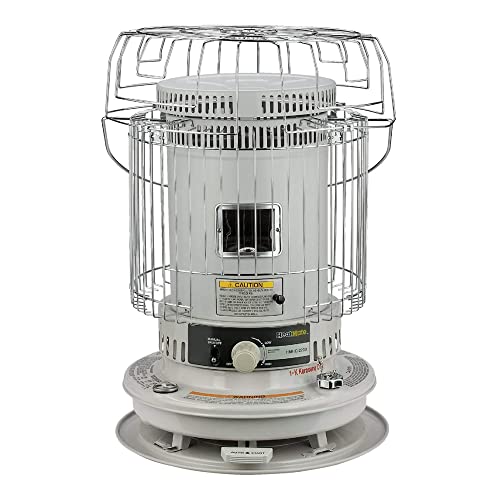
While this listing is a heater rather than a fuel, it is included because heater compatibility is essential when choosing an alternative fuel. The HeatMate model is a high-output, cordless space heater designed for indoor and outdoor use with a 1.9-gallon fuel capacity.
- Heat Output: Up to 23,500 BTU, suitable for larger spaces up to approximately 1,000 sq ft depending on conditions.
- Runtime: Advertised runtime up to about 12 hours on a single fill—relevant when estimating fuel consumption for alternatives.
- Safety Features: Includes automatic shutoff, tip-over switch, and protective guards—important when using any liquid fuel.
Buying Guide: Choosing The Right Kerosene Alternative For Your Heater
Selecting an appropriate kerosene alternative requires attention to compatibility, safety, performance, and local regulations. The sections below outline key considerations and comparison perspectives to guide a purchase.
Call 888-896-7031 for Free Local HVAC Quotes – Compare and Save Today!
Compatibility With Your Heater
Check your heater manufacturer’s recommendations. Many portable kerosene heaters and oil lamps accept clear kerosene alternatives, but some equipment may require specific fuel grades. Using an unapproved fuel can affect combustion, produce soot, or void warranties.
Odor, Emissions, And Indoor Air Quality
One main reason to choose an alternative is reduced odor. Look for products explicitly labeled as odorless or low-odor. Reduced odor often correlates with cleaner combustion but verify claims by checking product data sheets or manufacturer statements regarding emissions.
Energy Output And Runtime
Fuel density and heater efficiency determine runtime. Alternatives marketed for heaters often aim to match kerosene’s energy content, but actual runtime can vary by heater model. Consider the heater’s tank capacity (for example, 1 to 2 gallons) and the fuel’s expected burn time to estimate how long one container will last.
Storage, Shelf Life, And Stability
Storing liquid fuel safely is critical. Choose an area away from heat sources, with proper ventilation, and in approved containers. Some blended or treated fuels may have additives that affect shelf life—check vendor information if you plan to store multiple gallons.
Regulatory And Shipping Restrictions
State and local regulations can restrict sale or shipment of certain fuels (note the California shipping restriction listed for one product). Confirm that a product can be legally shipped to and stored in your area before purchase.
Safety Features And Heater Design
When using any liquid fuel, choose heaters with built-in safety mechanisms: automatic shutoff, tip-over protection, and sturdy guards. Match the fuel choice to a heater designed to manage combustion of alternative fuels, especially for indoor use.
Multi-Pack Vs Single Containers
Buying multi-packs reduces per-unit handling and ensures supply continuity, but requires larger storage capacity. Single-gallon jugs offer more flexible storage and smaller immediate inventory.
Cost Considerations Without Price Referencing
While prices fluctuate, consider total cost of ownership: fuel consumption rate, expected runtime, and storage management costs. Factor in potential savings from less frequent refueling if an alternative burns cleaner or more efficiently in your heater.
Environmental And Health Factors
Assess claims about reduced emissions and indoor air quality. Look for manufacturer documentation or independent testing where available. Reduced odor does not always equate to significantly lower emissions, so prioritize fuels with transparent formulation information if indoor air quality is a concern.
Practical Tips For Use
- Always follow heater and fuel manufacturer instructions for filling, igniting, and extinguishing.
- Use a funnel and spout to minimize spills when transferring fuel.
- Ventilate rooms appropriately when operating a fuel-burning heater indoors.
- Keep a small amount of extra wick or replacement parts on hand if your heater uses a wick-based system.
Comparison Perspectives
Compare alternatives by these lenses: odor control, compatibility, packaging and supply, safety features, and regulatory compliance. For example, single-gallon odorless fuels score strongly on flexibility, while multi-gallon cases score higher on supply continuity.
When To Contact The Manufacturer
If you have concerns about compatibility, emissions, or storage, contact the heater manufacturer and the fuel supplier. They can provide safety sheets, compatibility notes, and sometimes test data that clarify whether a particular alternative is suitable for your heater model.
By evaluating the points above—compatibility, odor and emissions, safety features, storage, and local regulations—you can select a kerosene alternative that meets your heating needs while aligning with safety and indoor air quality priorities.
Tips for Getting the Best HVAC Prices
- Prioritize Quality Over Cost
The most critical factor in any HVAC project is the quality of the installation. Don’t compromise on contractor expertise just to save money. - Check for Rebates
Always research current rebates and incentives — they can significantly reduce your overall cost. - Compare Multiple Quotes
Request at least three estimates before making your choice. You can click here to get three free quotes from local professionals. These quotes include available rebates and tax credits and automatically exclude unqualified contractors. - Negotiate Smartly
Once you've chosen a contractor, use the proven strategies from our guide — How Homeowners Can Negotiate with HVAC Dealers — to get the best possible final price.