Best Kerosene Blower Heaters for Garages and Workshops
Kerosene blower heaters provide powerful, portable heat for garages, workshops, barns, and job sites where electric options are impractical. Below is a concise comparison of top models selected for performance, fuel compatibility, and safety features. Use the summary table to quickly match a heater to your space and needs.
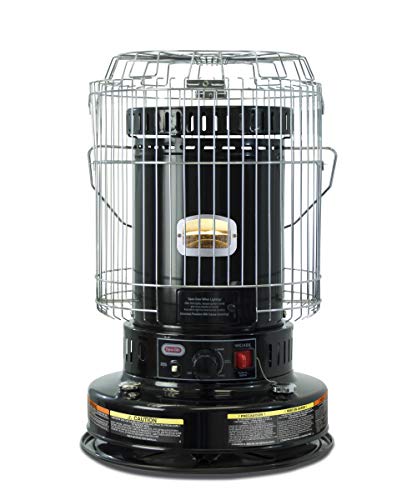
This indoor convection kerosene heater from Dyna-Glo delivers 23,800 BTU and is designed to heat up to 1,000 sq. ft. It operates without electricity, making it suited for emergency heating and locations with limited power access.
Key Features: 23,000 BTU/hour output, no electricity required, convection heating pattern for indoor use.
Use Case: Best for heated rooms, basements, or emergency backup where centralized HVAC is unavailable.
Installation & Operation: Freestanding unit; simple fill and run design. Ensure adequate ventilation per local codes despite being rated for indoor use.
Safety Notes: Follow manufacturer guidance on fuel quality (1-K kerosene preferred) and placement away from combustibles.
This model prioritizes portability and off-grid operation rather than forced-air circulation, offering consistent radiant/convection warmth for enclosed areas.
The VEVOR forced-air kerosene heater is a high-output solution delivering 215,000 BTU intended for very large spaces such as barns, industrial shops, or construction sites.
Call 888-896-7031 for Free Local HVAC Quotes – Compare and Save Today!
Key Features: Thermostatic control with room temperature display, adjustable 40°F–110°F set range, automatic shutoff on low fuel, overheat protection at 176°F.
Fuel Compatibility: Supports both kerosene and diesel (use one at a time); features dual fuel filters and a fuel gauge for monitoring.
Use Case: Designed for large-volume spaces with immediate warm-air delivery; not intended for small enclosed rooms without ventilation.
Operational Considerations: Requires proper clearance and ventilation, and appropriate fuel handling procedures; heavy-duty unit suited to semi-permanent placement.
VEVOR focuses on thermostatic energy efficiency and high capacity. Its digital controls and safety cutoffs help maintain set temperature without constant supervision on job sites.
Mr. Heater’s 80,000 BTU forced-air unit is a multi-fuel heater compatible with kerosene, filtered diesel, fuel oil, and jet fuel. It’s aimed at medium-to-large spaces up to about 2,000 sq. ft.
Key Features: Multi-fuel capability, built-in thermostat, LED troubleshooting diagnostics for simplified maintenance.
Use Case: Ideal for contractors, workshops, and job sites needing portable, robust heat with flexible fuel options.
Maintenance & Support: LED diagnostics aid in identifying ignition or airflow issues; routine filter and fuel system checks recommended.
Safety & Placement: Forced-air output means warm air is propelled into the space; follow clearance instructions and ensure exhaust/venting as required.
This Mr. Heater model balances portability with professional-grade output and diagnostics, favoring applications where variable fuel options and troubleshooting aids matter.
Dyna-Glo KFA50DGD 50,000 BTU Kerosene Forced Air Heater
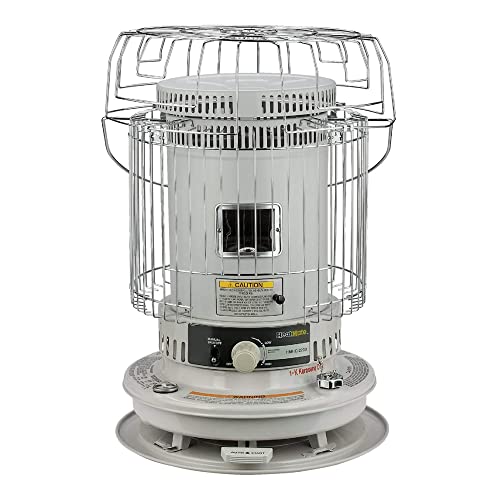
The Sengoku HeatMate HMC-23K is a portable kerosene heater offering 23,500 BTU, up to 12 hours runtime on its fuel tank, and design features aimed at indoor/outdoor versatility.
Key Features: 1.9-gallon fuel capacity, tip-over switch, automatic shutoff, protective guard grills, rated for indoor and outdoor temporary heat.
Use Case: Emergency heating, camping, garages, and supplemental indoor heat in ventilated spaces.
Safety & Runtime: Built-in safety features reduce accident risk; long runtime supports overnight or extended temporary use.
Operational Considerations: Despite indoor rating, ensure ventilation and follow local codes for indoor kerosene heater use.
Sengoku emphasizes safety and runtime, making it a practical choice when portability and prolonged operation on one fill are priorities.
Buying Guide: Choosing The Right Kerosene Blower Heater
Selecting the right kerosene blower heater requires matching heater capacity, fuel compatibility, safety features, and intended environment. The points below cover the most important purchase considerations.
Heat Output And Space Size
BTU Rating is the primary indicator of a heater’s ability to warm a space. Lower-BTU convection units (20k–25k BTU) suit rooms up to about 1,000 sq. ft. Forced-air models between 50k–215k BTU are intended for garages, workshops, and large volumes. Calculate cubic feet (sq. ft. x ceiling height) to better match capacity for big spaces.
Forced-Air Versus Convection
Forced-air (blower) heaters rapidly move heated air and warm larger spaces quickly, ideal for workshops and job sites. Convection heaters provide steady radiant heat and can be better for enclosed rooms and emergency indoor use. Choose based on whether rapid air circulation or gentle room heating is needed.
Fuel Compatibility And Quality
Some models accept only kerosene (1-K), while others accept diesel, fuel oil, or jet fuel. Multi-fuel units are flexible but follow manufacturer recommendations for fuel type and filtration. Use clean, approved kerosene and store fuel in proper containers to avoid clogging and odors.
Safety Features And Certifications
Look for automatic shutoff, tip-over protection, overheat sensors, and protective grills. For indoor use, models rated specifically for indoor operation and with safety interlocks are preferable. Always review the manual for clearance distances and ventilation needs.
Thermostatic Control And Efficiency
Thermostat control and temperature displays allow energy-efficient operation and automatic cycling. Built-in diagnostics or LED indicators simplify troubleshooting and maintenance, especially on job-site models.
Portability And Installation
Consider weight, handles, and mounting options. Portable forced-air models with handles are convenient for moving between projects. Some high-output units are heavy and designed for semi-permanent placement.
Ventilation And Local Codes
Kerosene heaters can emit combustion byproducts; adequate ventilation is essential. Check local building codes for indoor kerosene heater use. Even indoor-rated models may require slightly opened windows or external venting in certain jurisdictions.
Maintenance And Filter Access
Regular maintenance—fuel filter changes, nozzle checks, and combustion system cleaning—preserves performance. Models with accessible filters and LED diagnostic systems reduce downtime and maintenance complexity.
Noise And Workplace Comfort
Forced-air blowers can be noisy. If noise is a concern in occupied spaces, seek quieter models or use convection options for lower sound levels. Some models advertise reduced noise technology; review decibel ratings when available.
Cost Of Ownership
Operating cost depends on fuel consumption, BTU output, and runtime. Higher-output heaters consume more fuel but can reduce runtime to reach target temperatures. Factoring in maintenance, spare parts, and fuel handling builds a realistic cost profile.
Comparison Perspectives
Small Indoor / Emergency Use: Choose indoor-rated convection models with automatic shutoff and tip-over protection.
Medium Garage / Workshop: Mid-range forced-air units (around 50k–80k BTU) provide balance between heat output and portability.
Large Industrial / Barn: High-output forced-air heaters (100k+ BTU) with thermostats and robust safety systems deliver consistent warm-air circulation.
Fuel Flexibility: Multi-fuel heaters add versatility but require following fuel-specific maintenance procedures.
Use the above criteria to compare the models featured: small convection models emphasize indoor safety and runtime; mid-range forced-air units balance portability with heating power; high-output forced-air units provide industrial-scale warmth with thermostat control and built-in protections.
Tips for Getting the Best HVAC Prices
Prioritize Quality Over Cost The most critical factor in any HVAC project is the quality of the installation. Don’t compromise on contractor expertise just to save money.
Check for Rebates Always research current rebates and incentives — they can significantly reduce your overall cost.
Compare Multiple Quotes Request at least three estimates before making your choice. You can click here to get three free quotes from local professionals. These quotes include available rebates and tax credits and automatically exclude unqualified contractors.