
Kerosene heaters remain a reliable backup heat source for power outages, workshops, and outdoor activities. This guide compares five top kerosene heater and fuel options to help you choose the right combination of heater type, fuel, and replacement parts for safety and performance.
| Product | Type | Key Feature |
|---|---|---|
| Klean-Strip Klean Heat Kerosene Alt. | Fuel (1 Gallon) | Odorless Heater Fuel |
| W. M. Barr KleanHeat Lamp Fuel (Four 120 oz) | Fuel (4 Gallons) | Less-Smelly Alternative To Kerosene |
| Mr. Heater 80,000 BTU Forced Air Kerosene Heater | Forced-Air Heater | Multi-Fuel, Heats Up To 2,000 Sq Ft |
| Kerosene Heater & Stove (YEXLXLN) | Multiuse Stove/Heater | Cooking Surface And Portable Tank |
| Sengoku HeatMate Portable Kerosene Heater | Portable Space Heater | 23,500 BTU, 1.9 Gallon Tank, Cordless |
Content Navigation
- Sengoku HeatMate Portable Kerosene Heater
- Mr. Heater 80,000 BTU Forced Air Kerosene Heater
- Klean-Strip Klean Heat Kerosene Alternative, 1 Gallon
- W. M. Barr Klean-Heat Lamp Fuel For Kerosene Heaters (Four 120 oz)
- Kerosene Heater & Stove Multipurpose (YEXLXLN)
- Buying Guide: How To Choose The Right Kerosene Heater And Supplies
Sengoku HeatMate Portable Kerosene Heater
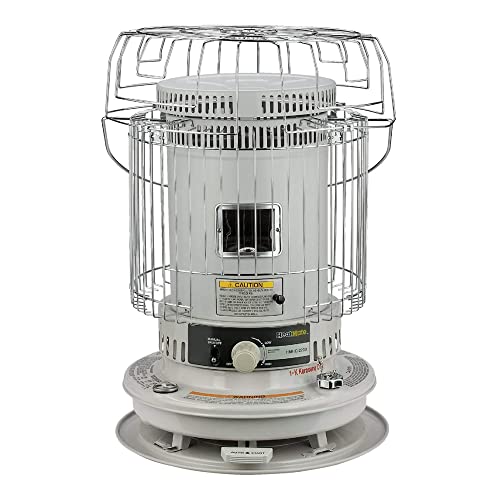
Type: Portable cordless kerosene space heater designed for indoor and outdoor use. Heat Output: 23,500 BTU suitable for medium to large spaces. Fuel Capacity: 1.9-gallon tank with up to 12 hours run time on a single fill depending on settings and conditions.
Features include automatic safety shutoff, push-to-start ignition, a siphon pump for easy refilling, and portability for emergency heating in homes, garages, basements, or campsites. The design emphasizes independent operation without electricity, which is useful during power outages.
Considerations: Ensure adequate ventilation and follow manufacturer safety instructions for indoor use. Regular maintenance of the tank, wick (if applicable), and fuel filter helps reliable performance.
Mr. Heater 80,000 BTU Forced Air Kerosene Heater

Call 888-896-7031 for Free Local HVAC Quotes – Compare and Save Today!
Type: Multi-fuel forced-air kerosene heater. Heat Output: 80,000 BTU capable of heating large spaces—manufacturer notes example coverage up to 2,000 sq ft depending on insulation and layout.
Key features include compatibility with kerosene, filtered diesel, fuel oils, and jet fuels, a built-in thermostat, and LED troubleshooting diagnostics. The forced-air design provides rapid, high-volume heating for construction sites, workshops, and very cold spaces.
Considerations: Forced-air units require clear airflow and safe placement to avoid combustible materials. They often produce more noise and require larger fuel handling and exhaust management compared to radiant or convective kerosene heaters.
Klean-Strip Klean Heat Kerosene Alternative, 1 Gallon

Type: Refined kerosene alternative formulated for heaters, lamps, and stoves. Key Benefit: Marketed as an odorless heater fuel with minimal smell before, during, and after burning.
The product is intended for users seeking reduced fumes and an easier burning experience in indoor-compatible kerosene heaters and lamps. It can be helpful in enclosed or semi-enclosed spaces where traditional kerosene odor is a concern.
Call 888-896-7031 for Free Local HVAC Quotes – Compare and Save Today!
Considerations: Confirm heater compatibility with alternative fuels; follow manufacturer guidance on approved fuel types. Store fuel securely and observe safe handling practices including stable storage away from heat sources.
W. M. Barr Klean-Heat Lamp Fuel For Kerosene Heaters (Four 120 oz)

Type: Packaged lamp and heater fuel sold as a four-jug case (each jug about 1 gallon). Key Feature: Clear, less-smelly alternative to traditional kerosene, formulated primarily for kerosene heaters and oil lamps.
The multi-jug packaging suits users who want a longer supply or who operate multiple appliances. Clear fuel reduces visible residue and odor compared to some conventional kerosenes, potentially improving indoor user experience.
Considerations: Volume handling requires proper storage and transport. Verify the product’s suitability for your heater model and use caution when transferring fuel between containers to avoid spills and vapors.
Kerosene Heater & Stove Multipurpose (YEXLXLN)

Type: Portable kerosene heater with integrated cooking surface and fuel tank (approx. 4.6L). Key Feature: Designed for heating, boiling water, and cooking—intended for campsite, emergency, or multipurpose use.
Features noted include a metal construction for efficient burning, multiple spare wicks included, and an iron shelf top that can double as a grill or warming surface. The design emphasizes multipurpose utility for outdoor living or survival scenarios.
Considerations: Using a kerosene stove indoors requires strict ventilation and following local safety regulations. Regular replacement of wicks and periodic cleaning of combustion surfaces will maintain performance.
Buying Guide: How To Choose The Right Kerosene Heater And Supplies
Determine Heating Needs: Match BTU output to the size and insulation of the space. Portable 20k–25k BTU units suit small to medium rooms; 50k–80k BTU or forced-air units are intended for large, open or poorly insulated spaces.
Heater Type: Choose between radiant/convective space heaters (quieter, suitable for indoor use with ventilation) and forced-air heaters (higher output, faster warming, often used outdoors or on job sites).
Fuel Options: Standard kerosene is widely available; refined or odorless alternatives reduce smell and residue. Confirm that your heater is rated for alternative fuels and follow the manufacturer’s instructions.
Safety Features: Look for automatic shutoff, tip-over protection, flame failure devices, protective grills, and thermostats. Proper placement, clearance from combustibles, and ventilation are essential.
Portability And Tank Size: For emergency or camping use, consider tank capacity and runtime per fill. Smaller tanks increase portability; larger tanks reduce refill frequency but add weight.
Multiuse Capability: Some units double as cooking stoves or have work surfaces. If you need cooking or boiling capability, select a design with a stable top and heat control suited for cookware.
Fuel Storage And Handling: Store fuel in certified containers, away from heat and living spaces. Bulk fuel purchases save trips but require safe storage. Use funnels or siphons to reduce spills.
Maintenance And Parts: Check the availability of replacement parts such as wicks, filters, and pumps. Wicks degrade over time and affect efficiency; having spares simplifies upkeep.
Indoor Use Considerations: Even “indoor” rated kerosene heaters produce combustion byproducts. Ensure adequate ventilation to reduce carbon monoxide and maintain air quality. Consider a carbon monoxide detector where heaters are used.
Noise And Air Movement: Forced-air models provide more heat but also produce airflow and noise; radiant or convective units are quieter and may be preferable in living areas or bedrooms.
Compatibility And Warranty: Verify fuel compatibility and read warranty terms. Manufacturer support and clear operation manuals improve long-term ownership experience.
Environmental And Local Regulations: Some jurisdictions restrict kerosene heater use indoors or in certain public spaces. Check local codes and fire department guidance before installation or use.
Tips for Getting the Best HVAC Prices
- Prioritize Quality Over Cost
The most critical factor in any HVAC project is the quality of the installation. Don’t compromise on contractor expertise just to save money. - Check for Rebates
Always research current rebates and incentives — they can significantly reduce your overall cost. - Compare Multiple Quotes
Request at least three estimates before making your choice. You can click here to get three free quotes from local professionals. These quotes include available rebates and tax credits and automatically exclude unqualified contractors. - Negotiate Smartly
Once you've chosen a contractor, use the proven strategies from our guide — How Homeowners Can Negotiate with HVAC Dealers — to get the best possible final price.