
Choosing the right linear convector baseboard heater involves matching room size, voltage, installation needs, and safety features. The table below summarizes the most relevant products covered in this guide so you can compare models and accessories at a glance.
| Product | Type | Key Feature | Brand |
|---|---|---|---|
| Dimplex 25″ Linear Convector Electric Baseboard Heater | Electric Convector | Quick convection heating | DIMPLEX |
| Cadet F Series 36″ Electric Baseboard Heater (3F750-1W) | Electric Baseboard | All-metal construction; requires thermostat | Cadet |
| Cadet F Series 24″ Electric Baseboard Heater (2F350W) | Electric Baseboard | Compact 24″ steel unit | Cadet |
| EZ-HEAT 1500 Watt Baseboard Space Heater (CZ600) | Portable/Convection | Adjustable thermostat; safety features | EZ-HEAT |
| meross Smart Thermostat For Electric Baseboards | Smart Thermostat | Wi‑Fi, HomeKit/Alexa/Google compatibility | meross |
Content Navigation
- Dimplex 25″ Linear Convector Electric Baseboard Heater Model: LC2507W31
- Cadet F Series 36″ Electric Baseboard Heater (Model: 3F750-1W)
- Cadet F Series 24″ Electric Baseboard Heater (Model: 2F350W)
- EZ-HEAT 1,500 Watt Baseboard Space Heater With Adjustable Thermostat (CZ600)
- meross Smart Thermostat For Electric Baseboard And In-Wall Heaters
- 6ft Steel Easy Slip-On Baseboard Heater Cover With End Caps
- Baseboarders Basic Series 6 ft Galvanized Steel Easy Slip-On Cover
- Baseboard Heater Cover 3FT-6FT Retractable Galvanized Steel
- Buying Guide: Choosing The Right Linear Convector Baseboard Heater
- 1. Heater Type And Intended Use
- 2. Voltage, Wattage, And Room Sizing
- 3. Controls And Thermostats
- 4. Safety Features And Certifications
- 5. Installation And Maintenance
- 6. Material, Build Quality, And Durability
- 7. Performance Perspectives And Comparisons
- 8. Smart Integration And Automation
- 9. Aesthetic And Safety Upgrades
- 10. Practical Checklist Before Ordering
Dimplex 25″ Linear Convector Electric Baseboard Heater Model: LC2507W31

This linear convector baseboard heater is presented as a compact convection solution for small rooms or supplemental heating. The manufacturer emphasizes quality engineering and quick convection heating to circulate warm air efficiently. The unit is 25 inches long and is intended for hardwired installation at 240V and 750W output.
Features listed include a convector design optimized for rapid warm-air distribution and construction aimed at even heat output. The unit is described as a recommended option where a thin-profile convector is required. Suitable for installations that match the voltage and wattage specifications, and for users looking for a slim baseboard profile.
Cadet F Series 36″ Electric Baseboard Heater (Model: 3F750-1W)
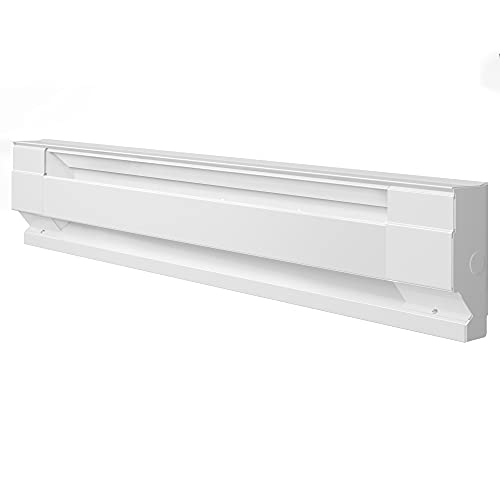
The Cadet F Series 36″ model is a full-length electric baseboard heater with an emphasis on durable all-metal construction. It is designed for hardwired applications and requires an external thermostat for room temperature control.
Call 888-896-7031 for Free Local HVAC Quotes – Compare and Save Today!
Key listed features include 25-gauge steel housing, a 20-gauge junction box with ground, and a powder-coated finish. The unit is designed to integrate with wall-mounted thermostats or wall-mounted controls compatible with its 120V/750W rating. The product is intended for situations where a robust metal housing and external thermostatic control are preferred.
Cadet F Series 24″ Electric Baseboard Heater (Model: 2F350W)
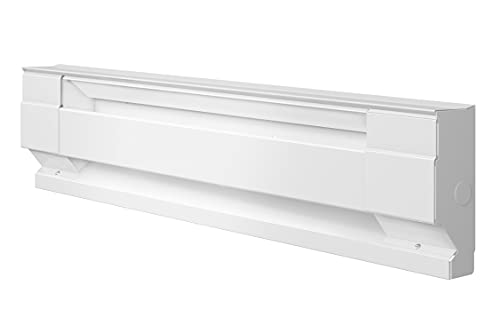
This 24″ Cadet baseboard unit is a compact electric heater intended for smaller rooms or zones. The product listing highlights a steel construction finished in white, and a power specification suitable for 240/208V operation with 350/262W outputs depending on supply voltage.
The model is positioned for installations where a shorter length is needed and a simple, steel-bodied baseboard heater will integrate into the heating plan. It is most applicable when matching wattage and voltage to room heating requirements and existing wiring.
EZ-HEAT 1,500 Watt Baseboard Space Heater With Adjustable Thermostat (CZ600)

The EZ-HEAT unit is described as a convection baseboard-style space heater suitable for medium-sized rooms. Key listed features include two heat settings, an adjustable thermostat, and multiple safety systems such as overheat protection, a tip-over switch, and a stay-cool body. The listing also emphasizes whisper-quiet operation.
Call 888-896-7031 for Free Local HVAC Quotes – Compare and Save Today!
This product is aimed at users seeking a portable or installable convection heater with integrated safety features for living spaces. The multiple safety redundancies support use around homes with children or pets, while the adjustable thermostat offers direct in-unit temperature control without requiring an external thermostat.
meross Smart Thermostat For Electric Baseboard And In-Wall Heaters

The meross thermostat is designed specifically for high-voltage electric baseboard, convector, and fan-forced heaters. It supports both 120V and 240V systems with maximum output loads up to 1920W at 120V and 3840W at 240V, subject to wiring and circuit limits.
Listed features include Wi‑Fi connectivity, compatibility with Apple HomeKit, Alexa, Google Home, and SmartThings, voice control support, and a claim of easy installation requiring four or more wires in the electrical box. This device is relevant when upgrading a convector baseboard to smart scheduling, remote control, or voice automation while observing electrical and load constraints.
6ft Steel Easy Slip-On Baseboard Heater Cover With End Caps

This slip-on baseboard cover is intended to replace old or rusty covers on existing baseboard units. Key product claims include improved safety and aesthetics, single-panel construction to preserve airflow, and compatibility constraints specifying maximum length, height, and width to ensure proper fit.
Material features list 21-gauge steel with white stoving varnish and 16-gauge endcaps for corrosion resistance. The cover is positioned as a practical upgrade for hydronic or electric baseboard covers where the listed dimensions match the existing heater profile.
Baseboarders Basic Series 6 ft Galvanized Steel Easy Slip-On Cover
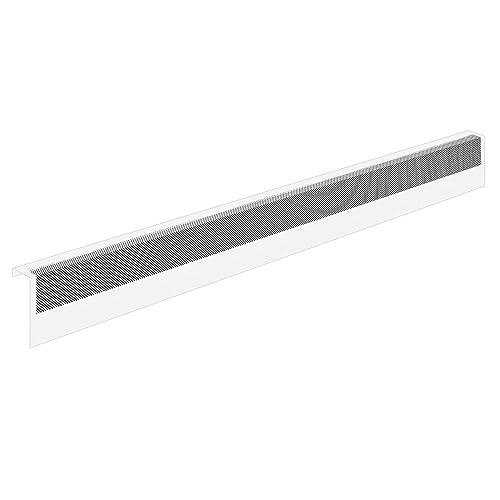
This product is framed specifically for hydronic (water) baseboard systems and includes a lifetime protection guarantee against rust under normal use. The listing highlights that the cover is not suitable for electric baseboard heaters and is best used for hydronic radiators.
Designed for DIY replacement, it comes in 3 to 6 ft sizes and supports accessory attachments to complete the installation and appearance. Material and finish are positioned for longevity and resistance to normal environmental conditions.
Baseboard Heater Cover 3FT-6FT Retractable Galvanized Steel

This retractable cover set includes two 3ft covers plus end caps and an installation kit. The listing emphasizes adjustability from 3 to 6 feet, galvanized steel construction, and a white powder-coated finish for rust resistance and heat tolerance.
The product aims to offer flexible sizing for homeowners replacing a range of baseboard covers. Design considerations include secure attachment with screws and durability for long-term use in bathrooms or living spaces with hydronic or compatible baseboards.
Buying Guide: Choosing The Right Linear Convector Baseboard Heater
Selecting the appropriate unit or accessory requires assessing several technical and practical variables. The following considerations cover electrical, physical, functional, and safety aspects to guide a well-informed purchase.
Tips for Getting the Best HVAC Prices
- Prioritize Quality Over Cost
The most critical factor in any HVAC project is the quality of the installation. Don’t compromise on contractor expertise just to save money. - Check for Rebates
Always research current rebates and incentives — they can significantly reduce your overall cost. - Compare Multiple Quotes
Request at least three estimates before making your choice. You can click here to get three free quotes from local professionals. These quotes include available rebates and tax credits and automatically exclude unqualified contractors. - Negotiate Smartly
Once you've chosen a contractor, use the proven strategies from our guide — How Homeowners Can Negotiate with HVAC Dealers — to get the best possible final price.
1. Heater Type And Intended Use
- Linear Convector vs. Electric Baseboard: Linear convectors emphasize thin-profile convection heating and quicker air circulation. Traditional electric baseboards often rely on finned elements and may be paired with thermostats or wall controls.
- Hydronic vs. Electric: Hydronic covers and units are for water-based systems and cannot be substituted for electric baseboard units. Confirm system type before buying covers or accessories.
2. Voltage, Wattage, And Room Sizing
- Match Voltage And Circuit Capacity: Many convector heaters specify 120V or 240V operation. Ensure your electrical circuit and breaker rating match the heater’s requirements.
- Calculate Required Wattage: Use room square footage and insulation level to estimate needed wattage. Higher-wattage models provide more heat but require matching circuit capacity.
- Length And Coverage: Baseboard length affects heat distribution. Longer baseboards deliver more total output for a single wall run.
3. Controls And Thermostats
- Built-In Thermostats: Some portable units include adjustable in-unit thermostats; these work for direct control without external wiring.
- External Or Smart Thermostats: For hardwired baseboards, compatible thermostats (like the meross model) provide scheduling, Wi‑Fi control, and integration with smart home ecosystems. Confirm wiring requirements such as the number of conductors and required neutral/ground connections.
- Thermostat Load Ratings: Verify thermostat amperage and wattage ratings against the total load of the baseboard circuit.
4. Safety Features And Certifications
- Overheat Protection & Tip-Over Switch: Especially important for portable or freestanding units. Overheat protection is crucial for permanently installed units too.
- Stay-Cool Surfaces And Grilles: These reduce burn risk on exposed housings and help prevent contact injuries.
- UL/ETL Listings: Look for recognized safety certifications where applicable to ensure compliance with electrical and fire safety standards.
5. Installation And Maintenance
- Hardwiring vs. Plug-in: Determine whether the unit requires professional hardwiring or if it is a plug-in model. Hardwired installations often need a qualified electrician.
- Mounting And Clearance: Follow manufacturer clearance guidelines from floor, furniture, and windows for optimal convection and safety.
- Cover Compatibility: If replacing a cover, verify dimensions (length, height, width) and whether the cover is rated for electric or hydronic systems.
6. Material, Build Quality, And Durability
- Steel Gauge And Finish: Heavier gauge steel and durable powder coats resist denting and corrosion. For wet areas, galvanized steel or rust-resistant finishes are preferable.
- End Caps And Fasteners: Reinforced end caps and secure attachment hardware reduce rattle and improve longevity.
7. Performance Perspectives And Comparisons
- Heat-Up Speed: Linear convectors often provide faster warm-air circulation than some finned baseboards due to streamlined airflow.
- Noise Considerations: Convection systems are typically quiet; however, integrated fans in fan-forced devices increase noise and may be unsuitable for quiet spaces.
- Energy Efficiency: All electric resistance heaters convert nearly all input power to heat. Efficiency comparisons should therefore focus on zoning, thermostat control, and avoiding overheating unused spaces.
8. Smart Integration And Automation
- Smart Thermostat Benefits: Wi‑Fi thermostats can enable schedules, remote control, and energy-saving programs. Confirm compatibility with high-voltage baseboard loads and platform ecosystems like HomeKit or Alexa.
- Installation Wiring: Many smart high-voltage thermostats require multiple conductors in the electrical box and may require a neutral or ground for proper operation. Verify wiring before purchase.
9. Aesthetic And Safety Upgrades
- Slip-On Covers: Replacing rusty covers improves room appearance and reduces direct contact with heating elements. Confirm the cover’s compatibility with electric vs. hydronic systems.
- Retractable And Adjustable Covers: Adjustable covers provide flexibility for varied heater lengths, useful in renovations or mix-and-match replacements.
10. Practical Checklist Before Ordering
- Confirm system type (electric convector vs. hydronic).
- Measure existing baseboard length, height, and width for cover compatibility.
- Verify circuit voltage and available amperage for the heater’s wattage.
- Decide on thermostat type: in-unit, external mechanical, or smart digital.
- Check safety certifications and listed safety features.
- Budget for professional installation if hardwiring or rewiring is required.