
Small rooms and zonal heating needs call for low energy space heaters that deliver warmth with minimal power draw. Below is a concise comparison table of five low-energy or energy-efficient space heaters selected for targeted heating, multiple power modes, or inherently low-wattage designs.
| Product | Type | Key Energy Feature |
|---|---|---|
| ENVI Plug-In Electric Panel Wall Heater | Wall-mounted, fan-less | Low-wattage 24/7 operation, quiet stack convection |
| Heat Storm Phoenix HS-1500-PHX | Infrared, portable/wall | Dual power modes (750W / 1500W) for energy control |
| Honeywell HHF370B 360 Degree Heater | Fan-forced portable | Low setting for reduced electricity use |
| QQT Electric Space Heater | Portable ceramic | 1200W model with two power settings, energy-saving claim |
| Gaiatop Mini Space Heater 500W | Compact PTC ceramic | Low 500W draw for personal/desk heating |
Content Navigation
Envi Plug-In Wall Heater
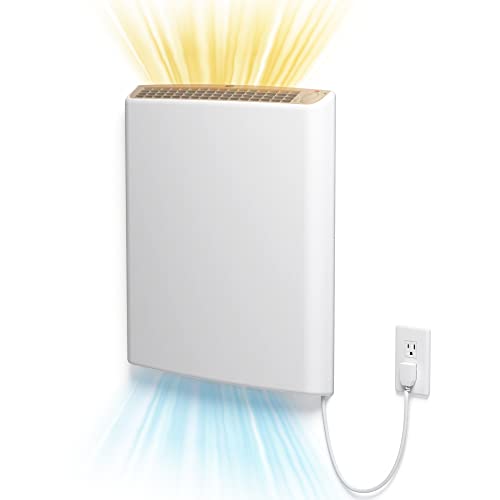
This wall-mounted unit is designed for targeted low-wattage heating and continuous operation. The heater uses a patented fan-less “Stack Convection” design to provide gentle warmth without forced air, which reduces electrical spikes associated with fan motors.
Key features noted by the manufacturer include cool 90°F surface operation, a wall-sense safety sensor that cuts power when removed, and quiet, fan-less heating that minimizes dust circulation. The product is positioned as suitable for 24/7 supplemental heating, especially in rooms where maintaining humidity and low noise matter.
For homeowners seeking to reduce central heating run time, a wall-mounted low-wattage panel can be used to keep a frequently-occupied room comfortable while lowering whole-house thermostat settings.
Heat Storm Phoenix Infrared Heater

Call 888-896-7031 for Free Local HVAC Quotes – Compare and Save Today!
This infrared model offers two power modes (750W and 1500W), allowing users to choose lower energy consumption when full output isn’t required. Infrared heating warms objects and people directly, which can be more efficient in poorly insulated spaces or for spot heating.
Manufacturer features include a patented heat exchanger and the option to mount on a wall or use attachable feet for floor placement. Infrared units typically do not reduce room humidity and are often described as safe-to-touch at the grill, indicating surface temperatures managed for safety.
Using the lower wattage mode can significantly reduce running energy compared with continuous 1500W output, making it useful for controlled, energy-aware heating in small rooms or offices.
Honeywell 360 Degree Fan Heater

This fan-forced heater provides 360-degree heat output and includes an adjustable thermostat with two heat settings. The manufacturer emphasizes that the Low setting consumes less electricity and is intended for energy-efficient continuous use.
Safety features listed include a 360-degree tip-over switch, overheat protection, and a cool-touch handle. The fan-forced design offers faster air mixing than radiant or convection-only models, which can translate to quicker perceived warmth at lower thermostat settings.
Call 888-896-7031 for Free Local HVAC Quotes – Compare and Save Today!
For spaces where cyclic or intermittent heating is acceptable, using the low setting plus thermostat control can balance comfort and energy consumption compared with running high-output heaters continuously.
QQT 1200W Ceramic Heater

The QQT unit is a compact ceramic heater marketed as an energy-saving option with a 1200W maximum and two heat settings. Manufacturer details highlight quick heat-up, uniform heat distribution, and an emphasis on lower power consumption than some 1500W alternatives.
Safety features include PTC ceramic heating, 45° tip-over protection, flame-retardant housing, and automatic shut-off on overturn. The noise level is specified as low, making it suitable for bedrooms or close-desk use where a quieter output helps maintain comfort without excessive energy use.
A 1200W model may offer a compromise between personal comfort and energy draw, suitable for users who want lower peak consumption while still achieving adequate warmth for small rooms.
Gaiatop Mini 500W Heater

This compact PTC ceramic heater draws only 500W, making it a clear low-energy option for personal or desk heating. The design emphasizes fast warm-up and space-saving dimensions for small apartments, dorms, or office desks.
Manufacturer features include built-in overheating protection, 45° tip-over shutdown, and V0 class flame-retardant materials. For users who spend long periods in a single chair or workstation, a 500W heater can keep feet and legs warm while keeping whole-room heating off.
Because it targets a small area with low wattage, this model is appropriate for reducing central heat usage during periods when only one person requires warmth.
Buying Guide: Choosing A Low Energy Space Heater
When selecting a low-energy space heater, consider how you plan to use it. Options vary by purpose: personal/desk warming, zonal 24/7 heating, or temporary room heat. Match heater type and wattage to that use case.
Tips for Getting the Best HVAC Prices
- Prioritize Quality Over Cost
The most critical factor in any HVAC project is the quality of the installation. Don’t compromise on contractor expertise just to save money. - Check for Rebates
Always research current rebates and incentives — they can significantly reduce your overall cost. - Compare Multiple Quotes
Request at least three estimates before making your choice. You can click here to get three free quotes from local professionals. These quotes include available rebates and tax credits and automatically exclude unqualified contractors. - Negotiate Smartly
Once you've chosen a contractor, use the proven strategies from our guide — How Homeowners Can Negotiate with HVAC Dealers — to get the best possible final price.
Key Considerations
- Heater Type: Infrared warms objects and people directly; ceramic and fan-forced models heat room air faster. Fan-less panel heaters provide gentle continuous warmth and reduced noise.
- Wattage And Power Modes: Lower wattage (e.g., 500W) uses less energy but covers a smaller area. Dual-mode units (750W/1500W) offer flexibility to save energy when full power is not required.
- Thermostat And Controls: A precise thermostat or multiple settings helps maintain comfort while minimizing runtime. Timers and programmable controls reduce wasted operation.
- Placement And Coverage: Personal heaters are effective for one occupant; panel or infrared units perform better when mounted or placed strategically for continuous zone heating.
- Safety Features: Tip-over shutoff, overheat protection, cool-touch surfaces, and flame-retardant materials are critical for uninterrupted low-energy use, especially if running for long periods.
- Noise Level: Fan-forced heaters usually produce more sound. For bedrooms or offices where noise matters, choose fan-less or low-decibel ceramic units.
- Energy Efficiency Claims: Look for specific features that improve efficiency—multiple power modes, accurate thermostats, PTC ceramic technology, or infrared delivery. Manufacturer claims should align with features that reduce runtime or power draw.
- Installation And Space: Wall-mounted low-wattage panels require minimal installation and can run 24/7. Portable units offer flexibility but may be less optimal for continuous low-power operation in larger rooms.
Comparison Perspectives
- Personal Use vs Whole-Room: Choose low-wattage portable (500–1200W) for personal heating and low-wattage panel or infrared for maintaining temperature in one frequently used room while lowering central heat settings.
- Short Bursts vs Continuous Operation: Fan-forced and ceramic heaters provide quick bursts of warm air for short periods; panel and fan-less options excel at continuous, low-energy operation.
- Insulation And Space Size: In well-insulated small rooms, lower wattage can be adequate. Larger or poorly insulated spaces may require targeted infrared or higher wattage modes to feel comfortable.
- Cost-To-Run Considerations: Estimate kilowatt-hours by multiplying wattage/1000 by hours used. Choosing lower wattage or using lower modes reduces kWh and operating cost.
Practical Tips For Lower Energy Use
- Set the heater thermostat to a moderate setpoint and rely on the heater’s built-in thermostat to cycle off when target temperature is reached.
- Use smaller, targeted heaters for occupied zones while lowering central thermostat — zoning typically saves more energy than heating the entire home.
- Combine heater use with simple measures like closing doors, using draft stoppers, and wearing warmer clothing to reduce runtime.
- Prefer units with timers or programmable schedules to avoid running heaters when rooms are unoccupied.